

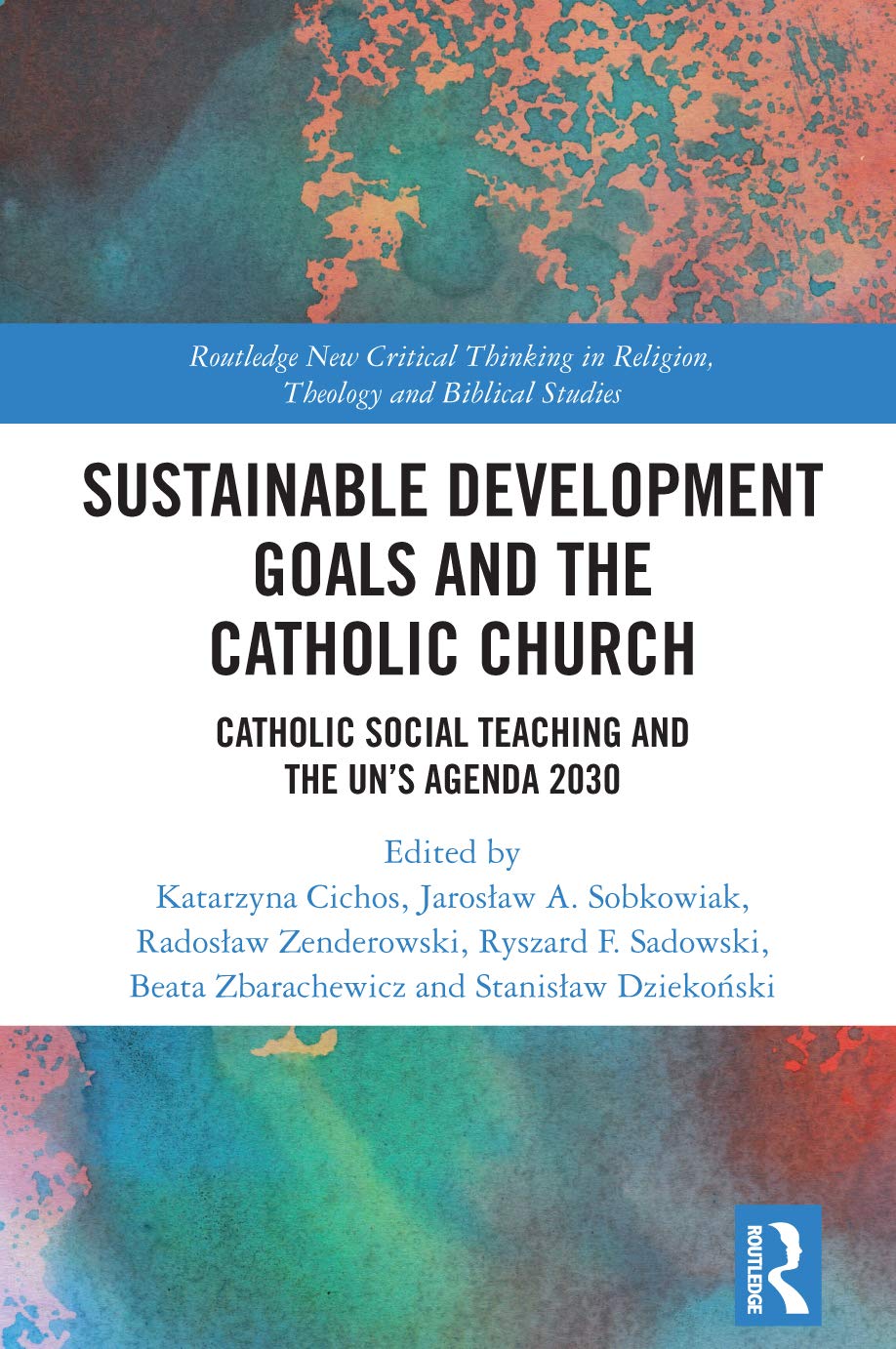
Sustainable Development Goals and the Catholic Church - Scholarly
Sustainable Development Goals and the Catholic Church - Scholarly
Price subject to change. Tap below for current.
Couldn't load pickup availability
In this review of Sustainable Development Goals and the Catholic Church, the bottom line is clear: this book is for scholars, clergy, and policy-minded readers who want a rigorous, comparative look at how Catholic Social Teaching aligns with the UN Sustainable Development Goals. The editors assemble multidisciplinary contributors to map theological principles against the 17 SDGs, and the book's greatest strength is its focused comparison of doctrine and policy that helps readers understand both consistencies and tensions. For those seeking practical implementation guidance, the book offers careful analysis rather than ready-made programs.
Key Features
- Comparative method: Chapters consistently use comparative analysis to show where Catholic Social Teaching and the UN SDGs overlap and where they diverge, helping readers weigh theological and policy priorities.
- Multidisciplinary authorship: Contributions from multiple disciplines provide a range of perspectives on political, legal, and theological aspects of development and ecology.
- Focus on Laudato si: The book situates Pope Francis' Laudato si encyclical as a turning point in Catholic engagement with environmental and developmental concerns, clarifying its implications for modern policy debates.
- Policy-oriented chapters: Several chapters examine the political and legal dimensions of particular SDGs, offering readers concrete frames for thinking about Church involvement in development.
- Balance of consistency and critique: The editors identify both consistencies and disparities, allowing readers to appreciate the Church's potential as a partner while recognizing limits to direct policy translation.
Who It's For
This volume is best suited to academics in theology, religious studies, political science, and development studies, as well as clergy and Church stakeholders interested in institutional engagement with the SDGs. Its comparative and disciplinary approach makes it useful for seminar discussion, graduate courses, and policy reflection within ecclesial organizations.
Readers seeking step-by-step implementation plans or grassroots how-to manuals should look elsewhere, as the book concentrates on analysis and the relationship between doctrine and international policy rather than operational guidance for projects on the ground.
Pros & Cons
Pros
- Thorough comparative framework that clarifies where Catholic teaching supports or challenges specific SDG aims.
- Interdisciplinary contributions give the work breadth across legal, political, and theological lines.
- Clear engagement with Laudato si that situates contemporary Catholic thought on environment and development.
Cons
- The book emphasizes analysis over practical implementation, so readers wanting immediate project guidance may find it limited.
Specifications
| Title | Sustainable Development Goals and the Catholic Church |
| Series | Routledge New Critical Thinking in Religion, Theology and Biblical Studies |
| Editors/Authors | Katarzyna Cichos; Radosaw Zenderowski; Jarosaw A. Sobkowiak; Beata Zbarachewicz; Ryszard F. Sadowski; Stanisaw Dziekonski |
| Subject | Catholic Social Teaching and the UN Sustainable Development Goals |
| Approach | Comparative, multidisciplinary chapters |
| Key focus | Laudato si, political and legal aspects of the 17 SDGs |
Our Verdict
For scholars and institutional readers wanting a careful, comparative exploration of how Catholic Social Teaching relates to the SDGs, this book is a valuable resource that balances theological nuance with policy analysis. It is good value for those who need conceptual clarity and disciplinary perspectives, though practitioners seeking operational guidance should complement it with implementation-focused materials.
Frequently Asked Questions
Does the book address all 17 Sustainable Development Goals?
The book assesses how Catholic Social Teaching addresses the political and legal aspects of each of the 17 SDGs through comparative chapters.
Is this a practical guide for project implementation?
No. The emphasis is analytical and comparative, focused on doctrine and policy rather than step-by-step implementation.
Who contributed to this volume?
The book brings together multiple authors and editors including Katarzyna Cichos and colleagues to provide interdisciplinary perspectives.
Editor's Take
This comparative, multidisciplinary volume is valuable for scholars and institutional readers seeking clarity on how Catholic Social Teaching aligns with the UN SDGs; it offers strong analysis though limited practical implementation guidance.

Recently viewed
Recently viewed products will appear here as customers browse the store.