

T-Cell Differentiation: Methods and Protocols - Practical Laboratory
T-Cell Differentiation: Methods and Protocols - Practical Laboratory
Price subject to change. Tap below for current.
Couldn't load pickup availability
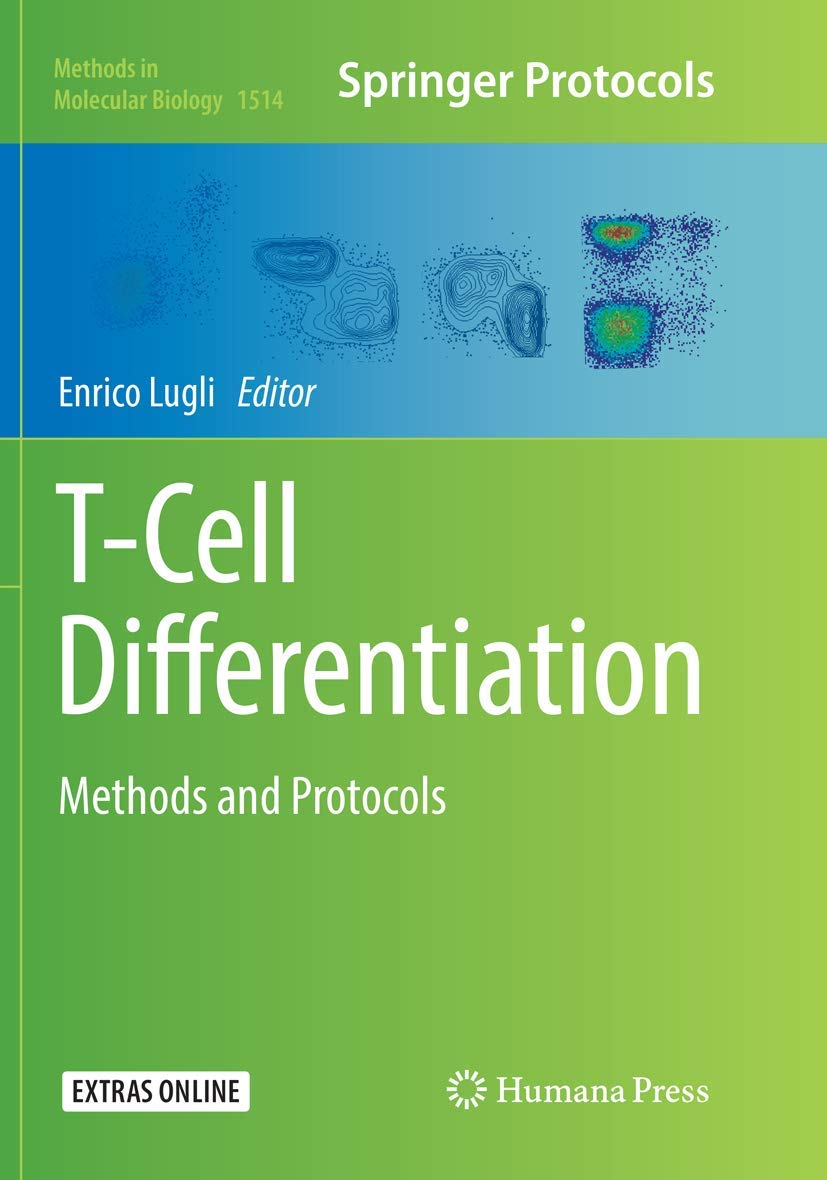
In this review of T-Cell Differentiation: Methods and Protocols, the bottom line is simple: this volume is for researchers and advanced trainees who need stepwise laboratory methods to dissect T cell biology at high resolution. The book compiles practical protocols covering flow cytometry, single-cell approaches and adoptive cell transfer tracking, making it most valuable to labs that run cellular immunology experiments rather than to casual readers. Our review finds the single biggest reason to buy is the collection of laboratory-ready protocols that bridge cutting-edge techniques and day-to-day experimental workflows.
Key Features
- Flow cytometry and FACS: Detailed protocols guide reproducible surface and intracellular staining and fluorescence-activated cell sorting for complex T cell subsets.
- Single-cell analysis: Methods for single cell gene expression by multiplex PCR allow profiling of individual T cells to reveal heterogeneity within populations.
- Adoptive cell transfer monitoring: Practical guidance on following the behaviour of single T cells after ACT helps labs studying in vivo persistence and differentiation.
- Cell engineering: Lentiviral transduction approaches are provided so readers can implement gene delivery strategies for functional studies.
- Memory T cell generation: Protocols describe cytokine cocktails to derive large numbers of early-differentiated memory T cells useful for downstream assays.
- Regulatory and innate T cell assays: Procedures to define Treg phenotype and function and to analyse innate T cell differentiation round out the applied coverage.
Who It's For
This book is aimed at immunologists, translational researchers and technical staff who perform cellular assays and need ready-to-use laboratory protocols, especially those working on T cell differentiation, adoptive cell therapies or single-cell assays. It is particularly helpful for groups setting up or standardizing flow cytometry panels, FACS sorting workflows and single-cell gene expression pipelines.
It is not intended as a basic textbook for learners without laboratory experience or for clinicians seeking clinical guidelines; readers without hands-on bench access or familiarity with molecular biology workflows may find the procedural detail dense rather than directly actionable.
Pros & Cons
Pros
- Comprehensive, laboratory-ready protocols covering flow cytometry and FACS that support reproducible experimental design.
- Useful single-cell and multiplex PCR procedures that let researchers profile individual T cells for gene expression heterogeneity.
- Practical methods for generating early-differentiated memory T cells and for lentiviral transduction to enable functional studies.
- Chapters on Treg definition and innate T cell analysis broaden the book's applicability to multiple T cell subfields.
Cons
- Focused on protocols and methods, so readers seeking conceptual immunology or introductory background will need supplemental textbooks.
- Some protocols assume access to specialized equipment and expertise, which may limit use in resource-constrained labs.
Specifications
| Title | T-Cell Differentiation: Methods and Protocols |
| Series | Methods in Molecular Biology, vol. 1514 |
| Editor / Brand | Enrico Lugli |
| Focus areas | Flow cytometry, single-cell PCR, lentiviral transduction, ACT, Treg and innate T cells |
| Target audience | Laboratory researchers and technical staff in immunology |
| Content type | Protocols and practical methods |
Our Verdict
For labs that need hands-on, reproducible methods to characterize T cell differentiation and function, this volume is a practical, good-value resource that compiles modern protocols in one place. It is especially recommended for groups running flow cytometry, single-cell assays or adoptive transfer studies, while newcomers to bench work should pair it with more introductory resources.
Frequently Asked Questions
Does this book include protocols for flow cytometry and sorting?
Yes, it contains detailed protocols for flow cytometry and fluorescence-activated cell sorting geared toward complex T cell subset analysis.
Are single-cell gene expression methods covered?
The book includes methods for single cell gene expression by multiplex PCR to profile individual T cells.
Is this suitable for beginners in immunology?
It is primarily written for researchers with bench experience; beginners may need supplementary introductory texts for conceptual background.
Editor's Take
A practical collection of laboratory protocols for researchers studying T cell differentiation, especially useful for teams running flow cytometry, single-cell assays and adoptive transfer experiments.

Recently viewed
Recently viewed products will appear here as customers browse the store.