

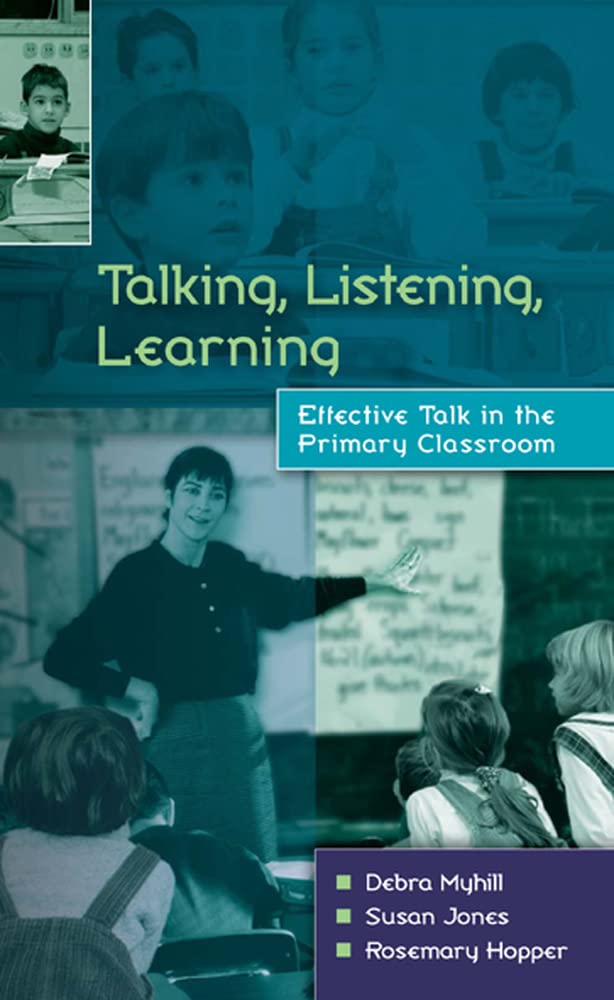
Talking, listening, learning - Classroom talk that improves learning
Talking, listening, learning - Classroom talk that improves learning
Price subject to change. Tap below for current.
Couldn't load pickup availability
In this review of Talking, listening, learning the author examines how classroom conversation shapes children s learning and why teachers should pay attention to their own talk. Aimed at primary school teachers and teacher educators, the book s single biggest reason to buy is its practical, research-based analysis of teacher questions, instructions and statements and how these moves can support and extend children s understanding. This review looks at the book s approach and usefulness for classroom practice rather than strictly theoretical debate.
Key Features
- Research based analysis: Draws on a substantial research base to explain how different kinds of teacher talk affect learning outcomes in primary classrooms.
- Practical guidance: Offers useful suggestions that teachers can apply to facilitate more successful classroom talk and improve student understanding.
- Talk types examined: Analyses questions, instructions and statements so teachers can see which moves extend children s thinking.
- Classroom examples: Uses examples from primary school classrooms to show the process of talk and learning in real settings.
- International perspective: Considers work by Shirley Brice Heath, Douglas Barnes, Gordon Wells, Neil Mercer and Robin Alexander to place classroom talk within a wider research context.
Who It's For
Talking, listening, learning is best suited to primary teachers, trainee teachers and teacher educators who want practical, research-informed ways to improve classroom interaction. It is especially valuable for teachers focused on questioning techniques and the role of language in learning.
Those seeking a step-by-step curriculum or a textbook filled with lesson plans should look elsewhere; this is a reflective, analytic book about dialogue and instructional talk rather than a workbook of scripted lessons.
Pros & Cons
Pros
- Clear connection between research and classroom practice that helps teachers translate findings into talk strategies.
- Specific analysis of teacher questions and statements that makes it easier to identify and change unhelpful patterns of talk.
- International references broaden perspective and show how findings relate beyond a single system.
Cons
- The book is analytical and reflective, so readers expecting ready-made lesson templates may be disappointed.
Specifications
| Title | Talking, listening, learning |
| Author / Brand | . Myhill |
| Focus | Role of teacher talk in children's learning |
| Target audience | Primary school teachers and teacher educators |
| Content style | Research analysis with practical suggestions |
| International influences | References include Heath, Barnes, Wells, Mercer, Alexander |
Our Verdict
Talking, listening, learning is a thoughtful, research-informed guide for teachers who want to improve classroom interaction. It is good value for educators seeking to understand and change their own talk because it links evidence to practical suggestions that can raise learning standards.
Frequently Asked Questions
Does this book include classroom examples?
Yes, it analyses talk that goes on in primary school classrooms and uses examples to illustrate points.
Is this suitable for trainee teachers?
Yes, trainee teachers and teacher educators will find the research-to-practice focus particularly useful.
Will I get lesson plans from this book?
No, the book is analytical and offers suggestions for talk rather than scripted lesson plans.
Editor's Take
Talking, listening, learning is a thoughtful, research-informed guide for primary teachers and teacher educators, linking evidence about classroom talk to practical suggestions that can improve learning outcomes.

Recently viewed
Recently viewed products will appear here as customers browse the store.