

Teaching Diversity Relationally - Practical Guidance for Educators
Teaching Diversity Relationally - Practical Guidance for Educators
Price subject to change. Tap below for current.
Couldn't load pickup availability
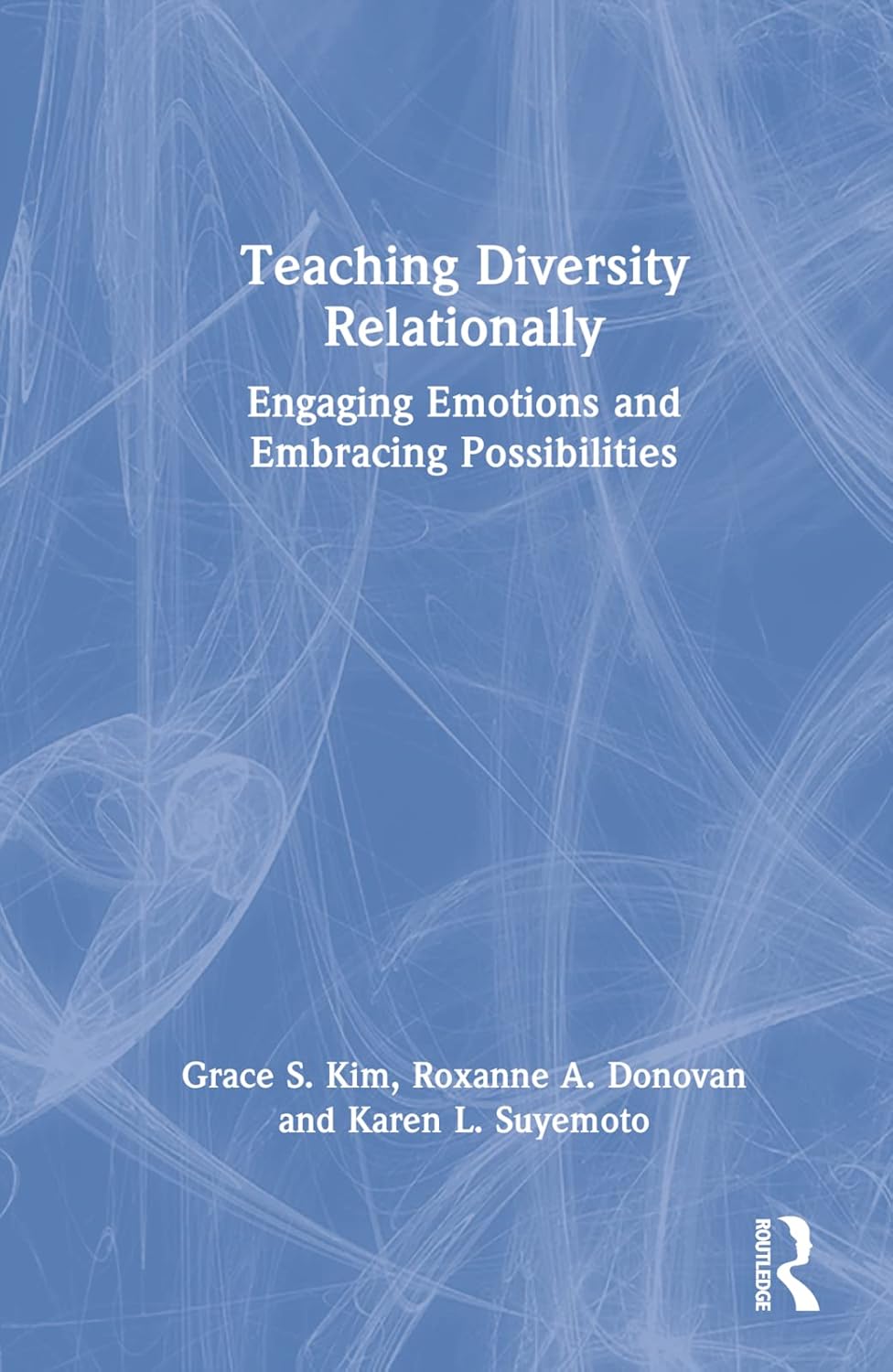
In this review of Teaching Diversity Relationally, the bottom line is simple: this is a practice-focused resource for instructors who want concrete, psychologically informed approaches to teaching about race, privilege, and oppression. Roxanne A. Donovan and Karen L. Suyemoto ground the book in Transformative Education philosophy and give instructors process-oriented methods to manage classroom emotions and relationships, making it ideal for faculty teaching diversity or social justice courses who need tools for facilitating hard conversations.
Key Features
- Process-oriented guidance: Offers step-by-step approaches to negotiating the psychological and relational dynamics that arise when teaching sensitive topics.
- Emotional-relational pillars: Presents five pillars that help instructors cultivate reflexivity, engage emotions, and promote agency during classroom interactions.
- Intersectional framework: Develops an intersectional social justice framework that supports teaching across multiple identities and systems of power.
- Theoretical grounding: Incorporates psychological theories alongside educational philosophy so strategies are linked to evidence and practice.
- Concrete classroom strategies: Includes actionable techniques for fostering perspective taking, empathy, and community learning among students.
Who It's For
Teaching Diversity Relationally is best for college and university instructors, diversity trainers, and graduate students preparing to lead courses on race, privilege, or oppression who want a framework that integrates emotion and relational work with pedagogy. Instructors who value a guided, reflective approach to managing classroom dynamics will find the book especially useful.
Those seeking a brief handbook of lesson plans or a textbook focused only on policy history may want to look elsewhere, since the strength here is in process and relational practice rather than exhaustive historical detail or quick-fix curricula.
Pros & Cons
Pros
- Clear emphasis on emotional engagement helps instructors respond to student feelings constructively.
- Well-integrated intersectional framework supports teaching across multiple identity dimensions.
- Actionable strategies for building community and relational learning translate to classroom practice.
- Psychological theories lend credibility and depth to the suggested methods.
Cons
- Not a quick-reference curriculum; instructors seeking ready-made lesson plans may need to adapt the material.
Specifications
| Title | Teaching Diversity Relationally |
| Authors | Roxanne A. Donovan, Karen L. Suyemoto |
| Focus | Teaching about race, privilege, and oppression |
| Approach | Transformative Education and psychological theory |
| Core elements | Five emotional-relational pillars |
| Use case | Higher education and diversity training |
Our Verdict
Teaching Diversity Relationally is a strong, practice-centered resource for educators who want to teach diversity with attention to emotion, relationship, and reflexivity. It delivers useful, theory-informed strategies that are good value for instructors committed to deep, sustained classroom work on social justice topics.
Frequently Asked Questions
Does this book cover specific classroom exercises?
The book emphasizes process and relational strategies rather than a catalog of scripted exercises, so instructors will find adaptable techniques rather than rigid lesson plans.
Is the approach research-based?
Yes. The authors ground their guidance in Transformative Education philosophy and relevant psychological theories to support practical application.
Who benefits most from this book?
College instructors, graduate students, and diversity trainers who facilitate discussions on race, privilege, and oppression will gain the most from its methods.
Editor's Take
Teaching Diversity Relationally is a practice-centered resource that equips educators with theory-informed, emotion-aware strategies for teaching race, privilege, and oppression and is recommended for instructors committed to relational classroom work.

Recently viewed
Recently viewed products will appear here as customers browse the store.