

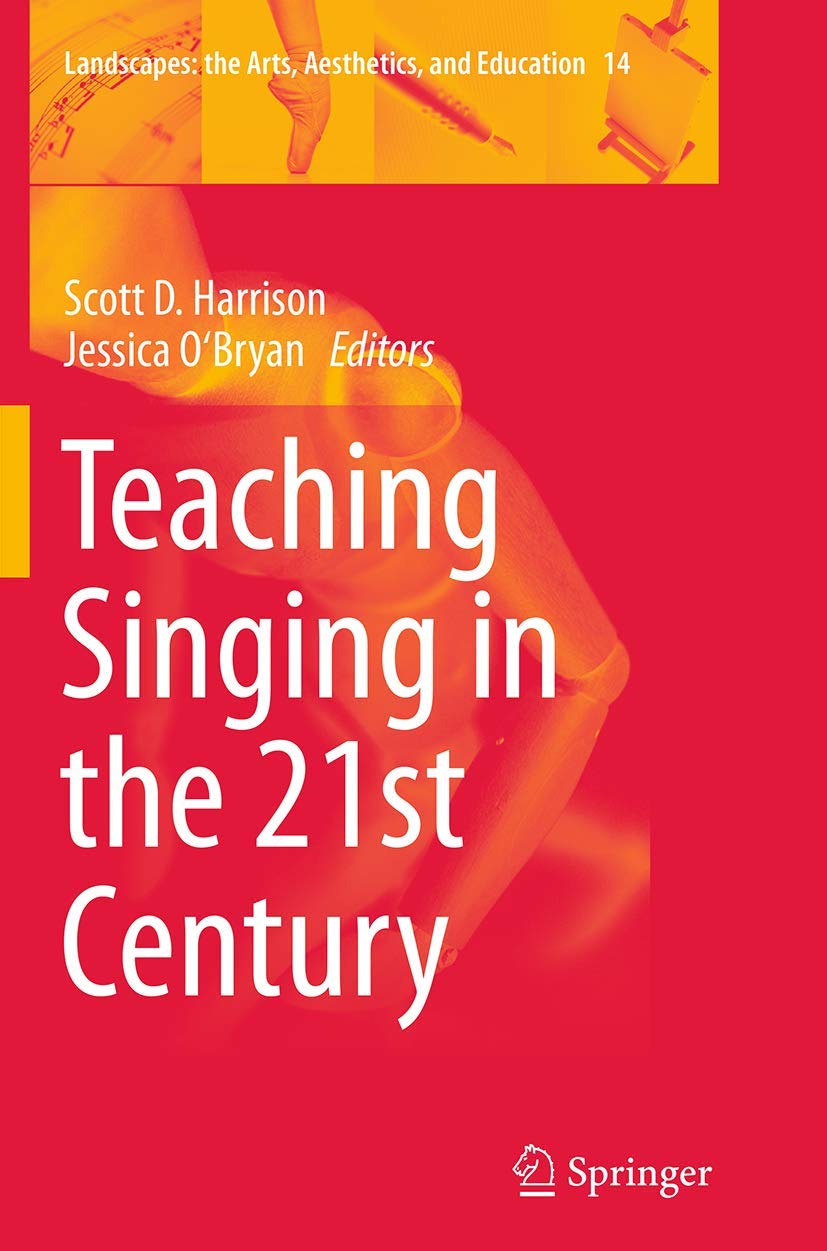
Teaching Singing in the 21st Century - Contemporary Voice Pedagogy
Teaching Singing in the 21st Century - Contemporary Voice Pedagogy
Price subject to change. Tap below for current.
Couldn't load pickup availability
In this review of Teaching Singing in the 21st Century the book is recommended for teachers, tertiary instructors and choral leaders who need a broad, research-informed view of modern voice pedagogy; the single biggest reason to buy is its range, bringing together established international researchers and emerging practitioners to connect voice science and practical teaching across genres. The reviewer found the collection refreshingly cross-genre and useful as a reference for studio lessons, classroom settings and community ensembles, providing both theoretical grounding and applied approaches for classical, musical theatre and contemporary commercial music.
Key Features
- Cross-genre perspectives: Offers practical and research-informed approaches that span classical, musical theatre and contemporary commercial music so teachers can adapt methods to varied repertoire.
- Research and practice integration: Includes contributions from leading international researchers and practitioners, giving readers access to current voice science alongside pedagogical techniques.
- Educational scope: Suited for tertiary institutions, schools and community music associations which need material that supports curriculum and workshop design.
- Practical for private teachers: Contains applied ideas and frameworks that private studio teachers can implement directly in lessons and vocal coaching.
- Accessible to choral leaders: Presents concepts that choral directors and ensemble coaches can use to inform rehearsal strategies and vocal health guidance.
- Emerging voices included: Features work from newer academics and practitioners which brings contemporary perspectives and fresh approaches to pedagogy.
Who It's For
This volume is best for voice pedagogy students, university instructors, private studio teachers and community music leaders who want a single reference that connects voice science to everyday teaching practices. It is especially valuable for those who teach across several styles and need to understand technical and pedagogical commonalities and differences between genres.
Those looking for a single-method how-to manual or a beginner primer focused solely on one genre may prefer a different, more narrowly focused text. Readers wanting step-by-step exercises with extensive multimedia support should supplement this book with practical resource packs or online demonstration material.
Pros & Cons
Pros
- Broad, cross-genre coverage makes it a versatile reference for different teaching contexts.
- Combines voice science and pedagogy so recommendations are grounded in current research.
- Contributions from both leading and emerging practitioners provide diverse viewpoints and practical relevance.
Cons
- Not a single-method manual; readers seeking step-by-step lesson plans or extensive multimedia examples will need supplementary resources.
Specifications
| Title | Teaching Singing in the 21st Century |
| Series | Landscapes: the Arts, Aesthetics, and Education, 14 |
| Editors / Authors | Scott D. Harrison, Jessica O'Bryan |
| Content focus | Voice pedagogy, voice science, cross-genre approaches |
| Intended audience | Tertiary institutions, schools, community music associations, private teachers |
| Use cases | Studio teaching, choral leadership, music education research |
Our Verdict
Teaching Singing in the 21st Century is a well-rounded, research-informed collection that pays off for educators who work across styles and value evidence-based pedagogy; it represents good value as a reference text for higher education and serious studio teachers and helps bring vocal pedagogy into contemporary practice.
Frequently Asked Questions
Is this book suitable for beginner teachers?
Yes; beginner teachers will find accessible research summaries and practical ideas, though they may want a supplemental how-to manual for step-by-step lesson plans.
Does it cover contemporary commercial music styles?
Yes; the collection explicitly transcends genre boundaries and includes approaches relevant to contemporary commercial music as well as classical and musical theatre.
Can choral leaders use this book?
Absolutely; choral leaders and community music directors will find useful guidance on vocal pedagogy and rehearsal strategies backed by current research.
Editor's Take
A research-informed, cross-genre collection ideal for tertiary instructors, private teachers and choral leaders who need practical, evidence-based approaches to contemporary vocal pedagogy.

Recently viewed
Recently viewed products will appear here as customers browse the store.