

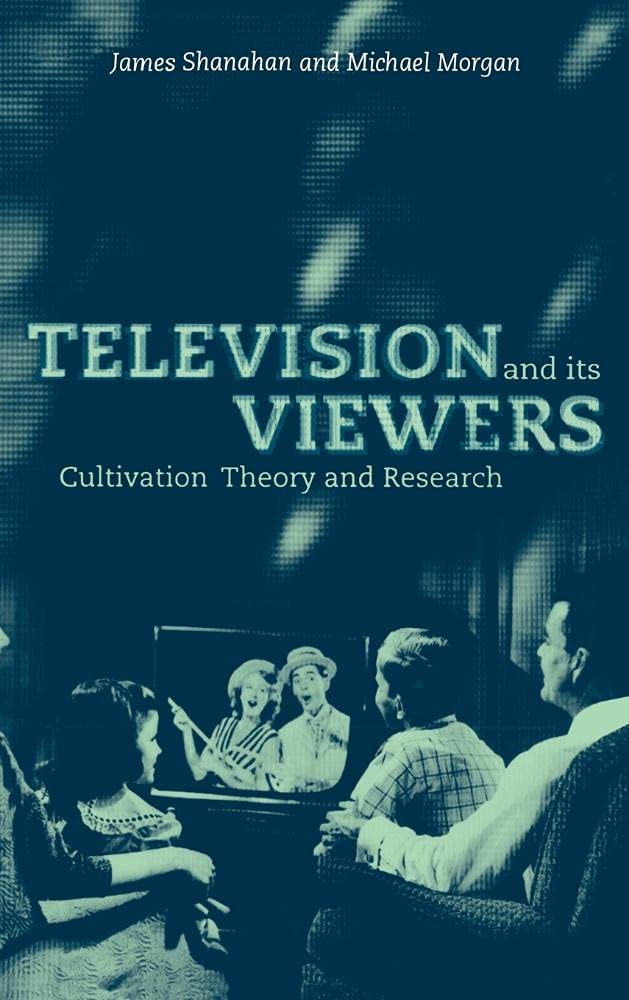
Television and its Viewers: Cultivation Theory and Research
Television and its Viewers: Cultivation Theory and Research
Price subject to change. Tap below for current.
Couldn't load pickup availability
In this review of Television and its Viewers: Cultivation Theory and Research, the bottom line is clear: this is a focused, book-length introduction to cultivation studies best suited for students and scholars who want a careful synthesis of how television viewing shapes beliefs. James Shanahan and Michael Morgan present the core claim that heavy viewers develop different perceptions of social reality than light viewers, and the book's biggest strength is its sustained, research-based explanation of differences in views about violence, sex roles and politics. This review assesses the book's usefulness for courses and research reading lists.
Key Features
- Research-based synthesis: The book pulls together decades of cultivation research so readers get a coherent account of empirical findings rather than scattered studies.
- Focus on belief differences: It clearly explains how avid viewers' beliefs contrast with occasional viewers' beliefs on public issues, which helps readers evaluate media effects.
- Coverage of multiple topics: Chapters examine violence, sex roles and political attitudes, giving a rounded view of cultivation across social issues.
- Accessible to disciplines: The writing is framed for students in communication, sociology, political science and psychology, making interdisciplinary use straightforward.
- First full-length treatment: As the first book-length study of this area, it offers a concentrated resource for anyone studying media influence.
Who It's For
Television and its Viewers is best for upper-level undergraduates, graduate students and researchers who need a compact but thorough grounding in cultivation theory and empirical work on television effects. Instructors building a course module on media effects will find the themed chapters on violence and political attitudes especially useful for classroom discussion.
Readers looking for a general history of television, popular media criticism, or an introductory primer with many visuals should look elsewhere; this book is text-driven and aimed at readers comfortable with scholarly exposition rather than light, illustrated surveys.
Pros & Cons
Pros
- Clear synthesis that makes decades of research accessible to students and scholars.
- Direct comparison of heavy and light viewers that clarifies practical implications of media exposure.
- Interdisciplinary focus useful for communication, sociology, political science and psychology courses.
Cons
- Scholarly tone and lack of visuals may feel dense for casual readers or those seeking popular media criticism.
Specifications
| Title | Television and its Viewers: Cultivation Theory and Research |
| Author | James Shanahan and Michael Morgan |
| Format | Book-length study |
| Subject Areas | Communication, sociology, political science, psychology |
| Main Topics | Violence, sex roles, political attitudes, viewer belief differences |
| Purpose | Scholarly synthesis and research overview |
Our Verdict
For students and scholars seeking a concise, research-driven account of how television viewing shapes beliefs, Television and its Viewers is a valuable, well-organized resource. Its focused treatment of violence, sex roles and political attitudes provides solid material for courses and research, though casual readers wanting a lighter narrative may prefer a more popular exposition.
Frequently Asked Questions
Does this book present original research?
It is a book-length synthesis that reviews and explains cultivation research rather than reporting a single original study.
Who are the intended readers?
The book is aimed at students and scholars in communication, sociology, political science and psychology.
Which topics does it cover?
Major topics include the relationship between viewing intensity and beliefs about violence, sex roles and political attitudes.
Editor's Take
Television and its Viewers is a concise, research-driven synthesis of cultivation theory that is ideal for students and scholars; it clearly explains how heavy viewing shapes beliefs about violence, sex roles and political attitudes.

Recently viewed
Recently viewed products will appear here as customers browse the store.