Regular price
$101.00 USD
Price subject to change. Tap below for current.
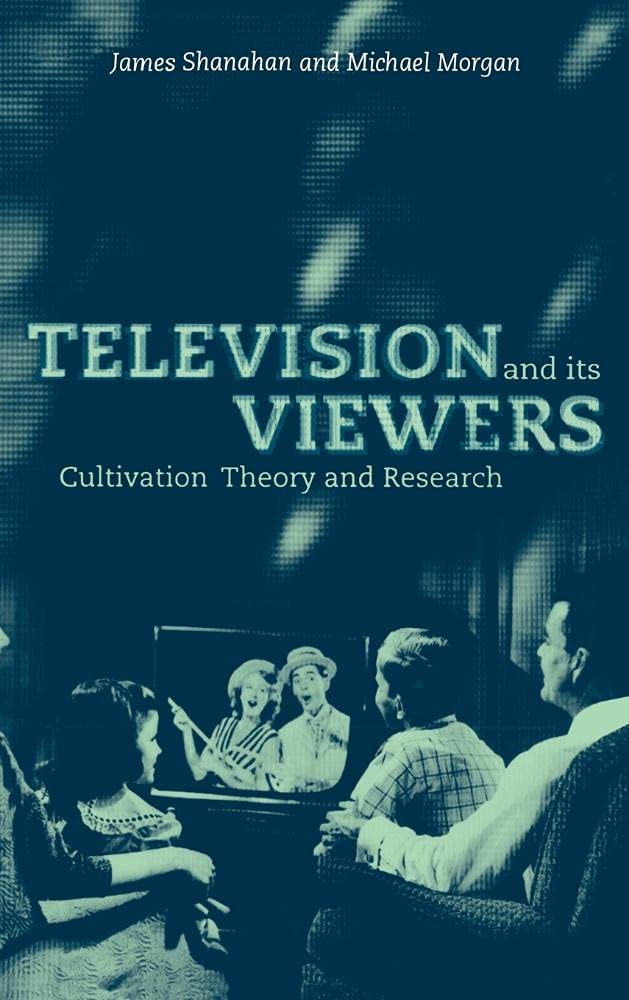
The book Television and its Viewers by James Shanahan delves into the intricate relationship between media consumption and audience perception. It explores the cultivation theory, which posits that long-term exposure to television content can shape viewers' beliefs and attitudes about the world. This comprehensive analysis is essential for anyone interested in understanding how media influences societal norms.
In this enlightening work, Shanahan presents a wealth of research that highlights the impact of television on various demographics. The author meticulously examines how different genres of programming can cultivate specific worldviews among audiences. Readers will find the discussion on the effects of television on public perception particularly compelling, as it sheds light on the subtle yet profound ways media can shape our understanding of reality.
One of the standout features of this book is its rigorous methodology. Shanahan employs a range of qualitative and quantitative research methods to support his arguments. This approach not only enhances the credibility of the findings but also makes the book a valuable resource for scholars and students alike. The section on methodological approaches in media research is especially informative, providing insights into how to conduct effective studies in this field.
Moreover, the book addresses the implications of cultivation theory in contemporary society. With the rise of digital media, the relevance of Shanahan's findings is more significant than ever. The discussion on digital media's role in shaping perceptions offers a timely perspective on how traditional theories apply in the age of the internet and social media.
Shanahan also engages with critiques of cultivation theory, presenting counterarguments and alternative viewpoints. This balanced approach enriches the reader's understanding and encourages critical thinking about the complex relationship between media and society. By acknowledging different perspectives, the author fosters a more nuanced discussion that is essential for anyone studying media effects.
In conclusion, Television and its Viewers is a must-read for those interested in media studies, psychology, and sociology. Shanahan's thorough exploration of cultivation theory provides invaluable insights into how television shapes our perceptions and beliefs. This book is not just for academics; it is also for anyone who consumes media and wishes to understand its broader implications on society.