

The 33 Strategies of War - Practical Strategy and Psychology
The 33 Strategies of War - Practical Strategy and Psychology
Price subject to change. Tap below for current.
Couldn't load pickup availability
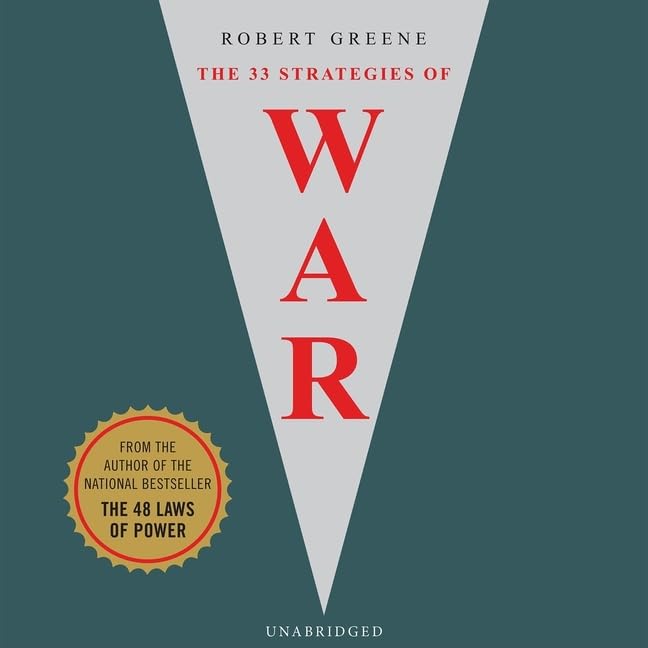
In this review of The 33 Strategies of War the bottom line is clear: this book is for readers who want a practical, psychologically grounded guide to strategic thinking. Robert Greene distills centuries of military, political and social tactics into clear, memorable strategies that translate into everyday decision making. The single biggest reason to buy is the way historical case studies are paired with concise analysis, giving readers both context and usable takeaways that improve how they approach conflict, influence, and long-term planning.
Key Features
- Historical case studies: Detailed accounts of military and political events give context that helps readers see how strategies unfolded in real situations.
- Psychology of conflict: Analysis of human behavior and motivation clarifies why certain strategies work and how to apply them thoughtfully in interpersonal settings.
- Readable structure: The book breaks complex ideas into discrete strategies and examples, making difficult material easier to absorb and revisit when needed.
- Practical application: Each strategy is written to be actionable so readers can adapt lessons to career, negotiation, or personal challenges.
- Broad scope: Coverage ranges from grand strategy to daily tactics, offering relevance for both long-term planners and those seeking immediate guidance.
Who It's For
The 33 Strategies of War is well suited to readers interested in strategy, history, and the psychology behind influence and conflict. It appeals to managers, entrepreneurs, students of history, and anyone who wants frameworks for thinking about competition and relationship dynamics.
Those seeking a quick self-help pamphlet or a light read should look elsewhere, as the book favors depth and historical narrative over short, prescriptive tips. If you dislike detailed historical examples or prefer strictly academic texts, this hybrid approach may not match your taste.
Pros & Cons
Pros
- Insightful blending of story and analysis that makes strategy memorable and applicable to modern life.
- Strong readability and writing style that help complex ideas feel accessible.
- Useful psychological framing that clarifies motivations behind conflict and decision making.
Cons
- The depth of historical detail can make sections feel dense for readers seeking only quick tactics.
Specifications
| Title | The 33 Strategies of War |
| Author | Robert Greene |
| Focus | Strategies of war applied to modern life and psychology |
| Content style | Historical case studies and analysis |
| Intended audience | Readers of strategy, history, and social psychology |
| Use cases | Personal development, leadership, negotiation |
Our Verdict
Robert Greene delivers a compelling, well-written exploration of strategy that rewards readers who want depth and practical insight. The blend of history and psychology gives durable frameworks for handling conflict and influence, making this book a strong value for students of strategy and anyone seeking to improve decision making in complex situations.
Frequently Asked Questions
Is this book appropriate for beginners?
Yes. The writing and structure make complex strategic ideas accessible, though readers should expect substantial historical detail.
Will I get immediate, simple tactics?
The book provides actionable strategies, but many are embedded in narrative and analysis rather than short checklists.
Does it focus only on military history?
No. While it uses military cases extensively, it also covers political, social, and psychological examples relevant to daily life.
Editor's Take
A compelling, well-written exploration of strategy that blends historical case studies with psychological insight; excellent for readers who want depth and practical frameworks for conflict and influence.

Recently viewed
Recently viewed products will appear here as customers browse the store.