

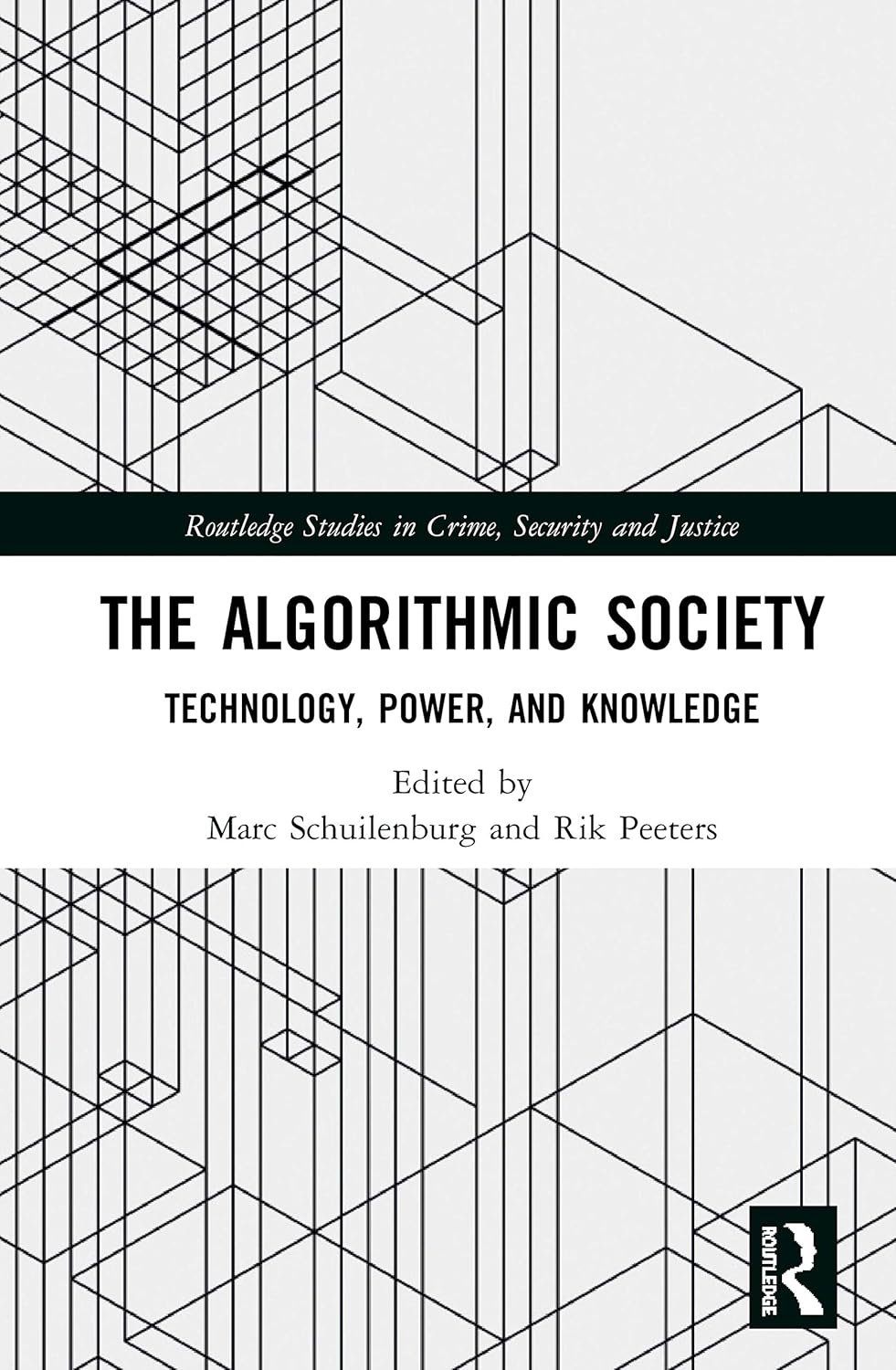
The Algorithmic Society - Critical Analysis of Algorithms in
The Algorithmic Society - Critical Analysis of Algorithms in
Price subject to change. Tap below for current.
Couldn't load pickup availability
In this review of The Algorithmic Society readers will find a focused academic assessment of how algorithms shape public life and power. Geared toward scholars, policy makers, and students in criminal justice, public administration and urban governance, the book's single biggest reason to read is its interdisciplinary framework that combines three fields to examine algorithmic governance and ethical implications of data-driven decision making. The review highlights where the book succeeds as a conceptual resource and where readers may need complementary empirical studies.
Key Features
- Interdisciplinary framework: Brings together Public Administration, Criminal Justice and Urban Governance to offer a unified way to think about algorithmic governance.
- Critical cultural-political analysis: Explores how algorithms act as mediators of power and influence policy and everyday behaviour in public services and policing.
- Focus on real-world impacts: Addresses how governments use algorithms to predict criminality, allocate resources and calculate recidivism rates.
- Ethical emphasis: Raises moral questions about surveillance, nudging and control that are essential for regulators and ethicists.
- Theoretical breadth: Offers concepts useful for comparative work and for framing empirical research on data, algorithms and governance.
Who It's For
This volume is best suited for academics and graduate students studying political freedom, public policy, criminal justice or urban governance who need a conceptual map of algorithmic governance. It is also useful for policy makers and civil society actors seeking a rigorous critique of algorithmic tools used in public administration and policing.
Readers who want a hands-on technical guide, step-by-step case studies of algorithm implementation, or extensive empirical datasets should look elsewhere; this book is primarily analytical and theoretical rather than a how-to manual or a compendium of large-scale empirical evaluations.
Pros & Cons
Pros
- Provides a clear interdisciplinary framework that helps connect debates across three academic fields.
- Addresses ethical and cultural-political dimensions of algorithmic governance, a timely concern for policy makers.
- Useful conceptual resource for designing future empirical studies or policy analyses.
Cons
- Limited empirical detail-readers seeking extensive case data may find the book more theoretical than practical.
Specifications
| Title | The Algorithmic Society |
| Series | Routledge Studies in Crime, Security and Justice |
| Editors / Authors | Marc Schuilenburg, Rik Peeters |
| Primary subjects | Public Administration; Criminal Justice; Urban Governance |
| Focus | Conceptual and cultural-political analysis of algorithmic governance |
| Key themes | Algorithms, power, ethics, public services, criminality prediction |
Our Verdict
The Algorithmic Society is a strong conceptual contribution for those examining how algorithms mediate power in public life; it is particularly valuable for academics and policy analysts who need an interdisciplinary lens on algorithmic governance. While not a source for detailed empirical datasets, its ethical and theoretical insights make it good value for readers forming critiques or research agendas about data-driven government practice.
Frequently Asked Questions
Is this book suitable for non-academic readers?
Answer. It is accessible to informed non-academic readers interested in policy and ethics, but it is written primarily for an academic and policy audience.
Does the book include case studies of algorithm use in policing?
Answer. The book discusses governmental use of algorithms to predict criminality and calculate recidivism, but its emphasis is conceptual rather than on extensive case-level empirical detail.
Will this help with designing algorithmic policy?
Answer. Yes-its interdisciplinary framework and ethical analysis offer useful guidance for policy makers and regulators shaping algorithmic governance.
Editor's Take
The Algorithmic Society is a valuable interdisciplinary analysis for academics and policy analysts studying how algorithms mediate power and ethics in public administration and criminal justice, though it is more conceptual than empirical.

Recently viewed
Recently viewed products will appear here as customers browse the store.