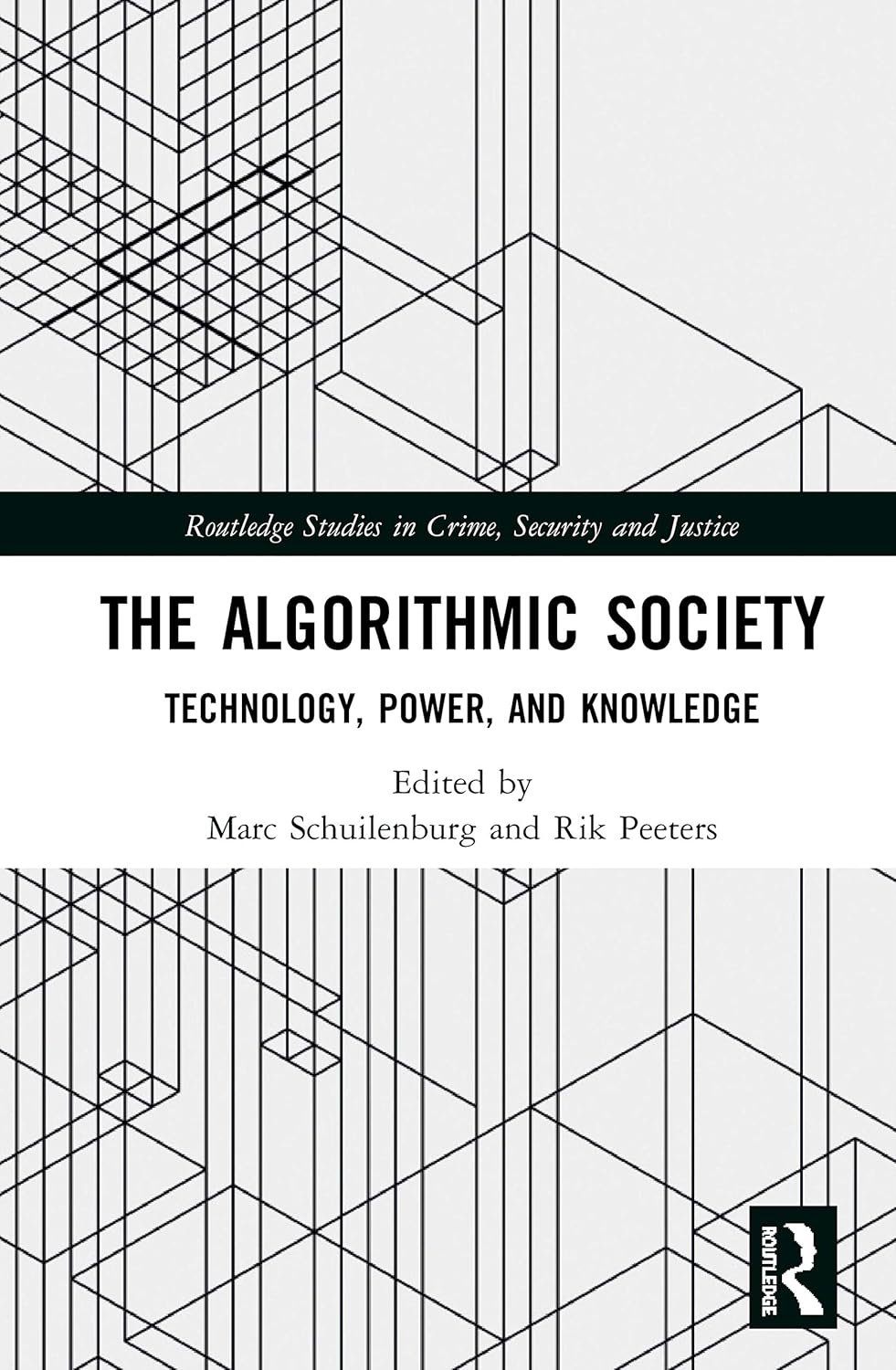
The Algorithmic Society: Exploring Crime, Security and Justice
The Algorithmic Society: Exploring Crime, Security and Justice
Price subject to change. Tap below for current.
Couldn't load pickup availability
The Algorithmic Society is a groundbreaking exploration of how algorithms shape our understanding of crime, security, and justice. Authored by Marc Schuilenburg and Rik Peeters, this book delves into the intricate relationship between technology and societal norms, providing a comprehensive analysis of the implications of algorithmic governance.
In today's digital age, the influence of algorithms on our daily lives cannot be overstated. The authors argue that algorithms are not merely tools but are integral to the fabric of modern society. This book examines how these algorithmic systems impact law enforcement, surveillance, and the administration of justice.
One of the key themes of the Algorithmic Society is the concept of predictive policing. The authors highlight how law enforcement agencies utilize data-driven approaches to anticipate criminal activity. While these methods can enhance public safety, they also raise ethical concerns regarding privacy and discrimination.
Furthermore, the book discusses the role of algorithms in shaping public perceptions of crime and security. Through various case studies, Schuilenburg and Peeters illustrate how media narratives are influenced by algorithmic processes, leading to a distorted understanding of societal threats. This critical examination of media algorithms is essential for anyone interested in the intersection of technology and social justice.
The Algorithmic Society also addresses the challenges posed by algorithmic bias. The authors provide insights into how biases embedded in algorithms can perpetuate existing inequalities within the justice system. By shedding light on these issues, the book calls for a more equitable approach to algorithmic design and implementation.
In addition to its theoretical contributions, this book offers practical recommendations for policymakers and practitioners. The authors advocate for transparency and accountability in algorithmic decision-making processes, emphasizing the need for public engagement in discussions surrounding technology and justice.
Overall, the Algorithmic Society is an essential read for scholars, practitioners, and anyone interested in understanding the complexities of crime, security, and justice in the digital era. It challenges readers to critically engage with the implications of living in an increasingly algorithm-driven world.
Share