

The Analytics Revolution in Higher Education - Practical
The Analytics Revolution in Higher Education - Practical
Price subject to change. Tap below for current.
Couldn't load pickup availability
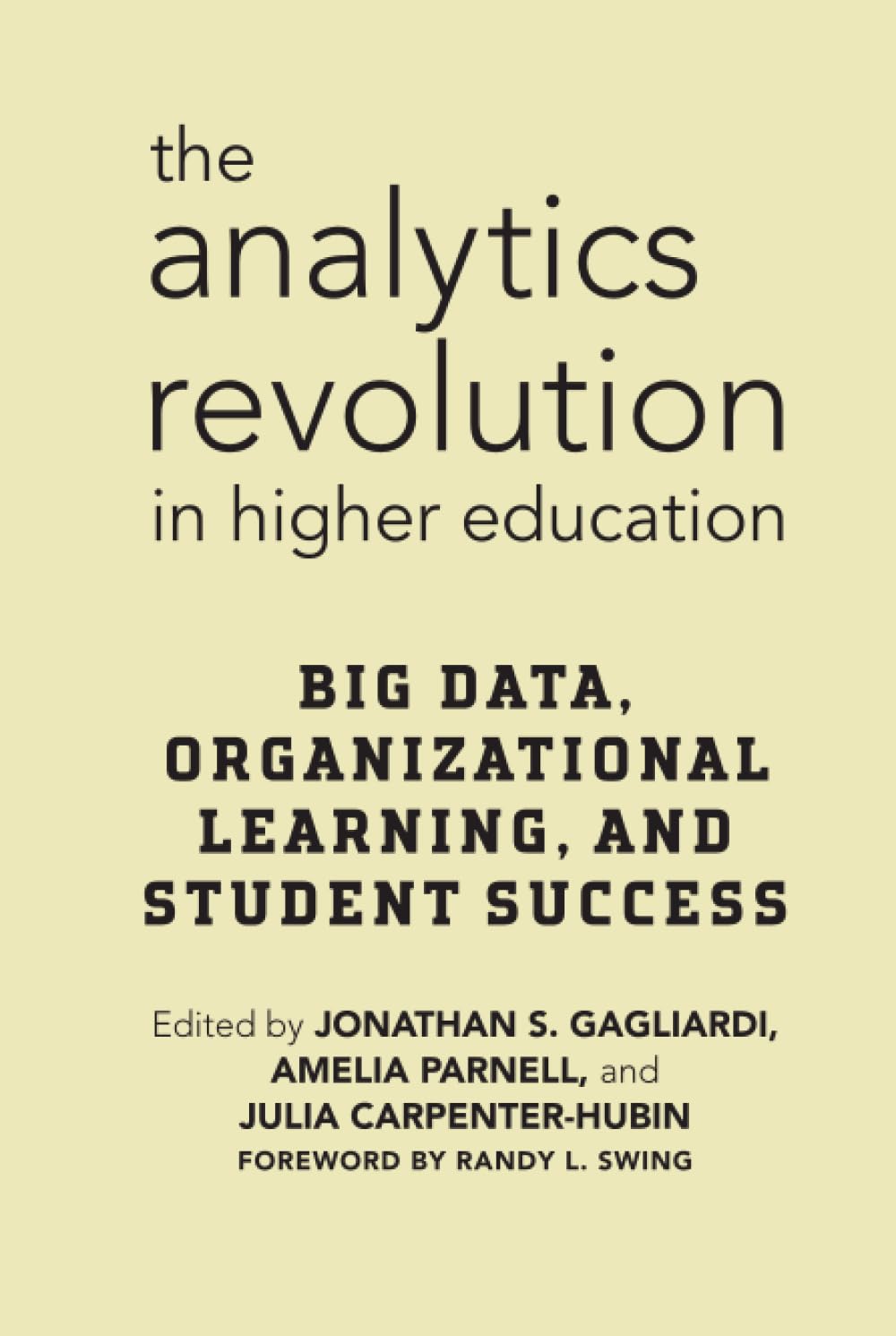
Our review of The Analytics Revolution in Higher Education finds it valuable for institutional researchers, academic leaders, and policy analysts seeking a grounded introduction to how data and organizational learning shape student success. The book focuses on practical uses of institutional research to improve outcomes, close equity gaps, and align resources with local and regional needs, making it worth reading for professionals charged with translating data into decisions. This review highlights how the book frames the evolving institutional research function and why it matters for administrators and practitioners.
Key Features
- Focus on institutional research: Explains how the IR function is changing to provide decision analytics that senior leaders and staff can use to manage resources and improve student outcomes.
- Student success orientation: Centers analytics work around improving learning outcomes and closing equity gaps, which helps readers prioritize measures that matter for learners.
- Organizational learning lens: Describes how institutions can build capacity to use data for continuous improvement rather than one-off reports.
- Audience-aware guidance: Identifies the many audiences institutional researchers must serve, helping readers shape communication and deliverables for leaders, faculty, and advisors.
- Practical implications: Connects analytics to cost management and regional economic needs, making the case for data-driven resource strategies.
Who It's For
This book is best suited for institutional researchers, higher education administrators, data analysts in colleges, and policy staff who need a conceptual and practical framework for applying analytics to student success and organizational decision-making. It helps professionals understand the shifting expectations for IR and the practical trade-offs involved in serving multiple campus stakeholders.
Readers seeking step-by-step technical tutorials, code samples, or detailed vendor recommendations will need to look elsewhere; this title emphasizes organizational learning, strategy, and the role of analytics rather than hands-on analytics tooling.
Pros & Cons
Pros
- Offers a clear framing of the evolving role of institutional research within colleges and universities.
- Focuses on student success and equity, which helps prioritize analytic work toward real outcomes.
- Connects analytics to resource strategy and community economic needs, broadening the relevance beyond internal reporting.
Cons
- Not a technical manual; it does not provide code, software tutorials, or stepwise analytics procedures.
Specifications
| Title | The Analytics Revolution in Higher Education |
| Authors | Jonathan S. Gagliardi, Amelia Parnell, Julia Carpenter-Hubin |
| Subject | Institutional research, higher education analytics, student success |
| Focus | Organizational learning and decision analytics for colleges |
| Intended audience | Institutional researchers, administrators, faculty, advisors |
| Key themes | Equity gaps, resource strategy, regional economic alignment |
Our Verdict
The Analytics Revolution in Higher Education is a strong, concept-driven resource for professionals who must translate data into institutional strategy and improved student outcomes. It is good value for readers looking to reshape IR functions and align analytics with equity and resource goals, though those needing hands-on analytic tools should pair it with technical guides.
Frequently Asked Questions
Does this book teach technical analytics tools?
No. It focuses on organizational roles, strategy, and the uses of analytics rather than programming or software tutorials.
Who will benefit most from reading it?
Institutional researchers, higher education leaders, and staff responsible for data-informed decision making will get the most practical insight.
Does it address equity and student success?
Yes. A central theme is using analytics to improve learning outcomes and close equity gaps across student populations.
Editor's Take
A concept-driven guide for institutional researchers and higher education leaders that explains how to use analytics for student success and strategic resource decisions; not a technical manual but valuable for organizational change.

Recently viewed
Recently viewed products will appear here as customers browse the store.