

The Archaeology of Human Ancestry - Clear Methods for Reconstructing
The Archaeology of Human Ancestry - Clear Methods for Reconstructing
Price subject to change. Tap below for current.
Couldn't load pickup availability
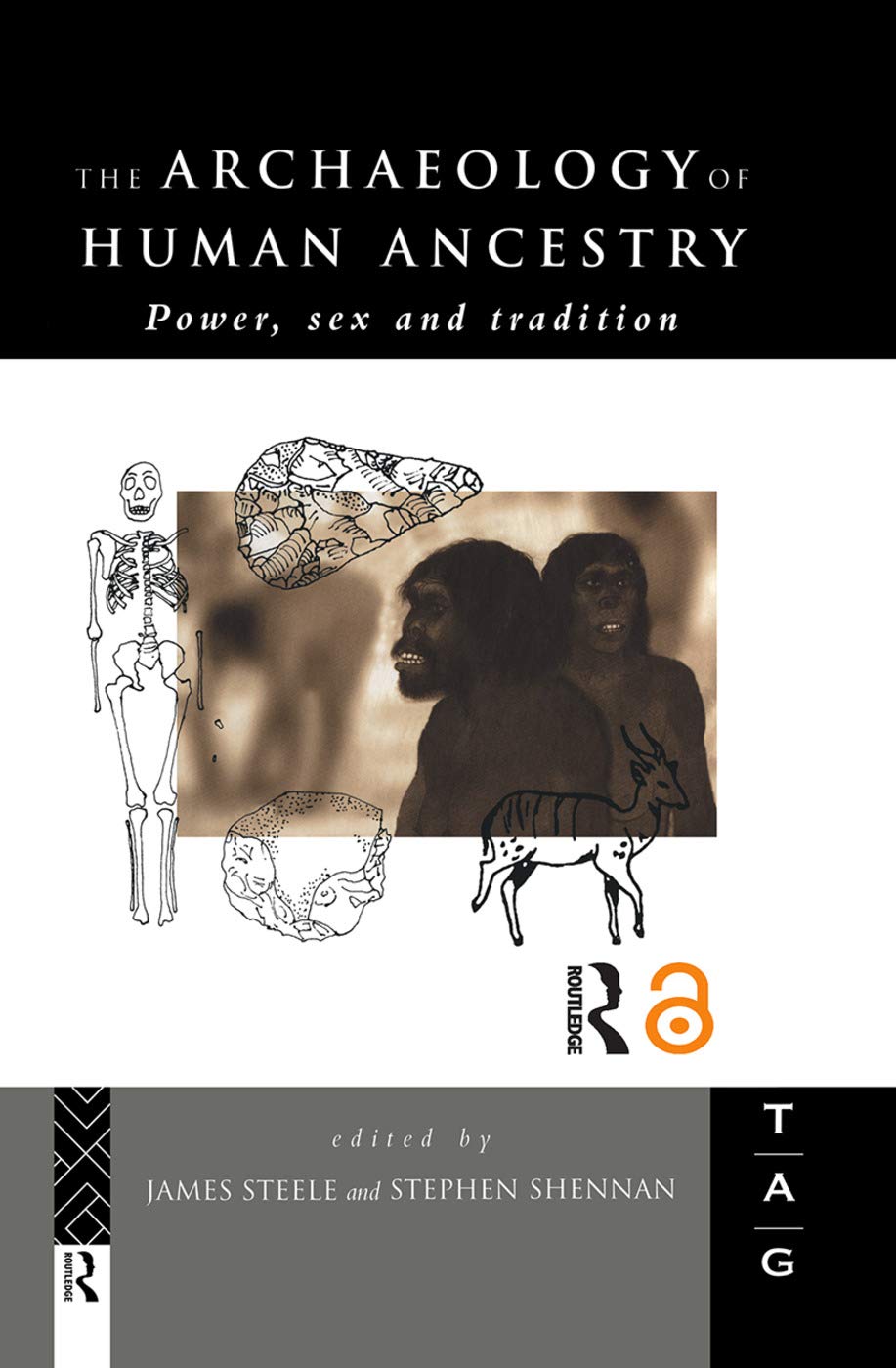
Our review of The Archaeology of Human Ancestry finds it best suited to graduate students, researchers and intellectually curious readers who want a methodical approach to reconstructing early human social systems. Edited by Stephen Shennan and James Steele, this collection is valuable because contributors pair ethnographic observation of primates and modern hunter-gatherers with fossil and artefactual evidence to show how reconstructions are built rather than simply asserted. For readers seeking careful argumentation about group size, social bonds and the origins of cultural traditions, this book is the most rewarding purchase.
Key Features
- Theoretical synthesis: Contributors explicitly connect biological anthropology and archaeology to explain the logic behind reconstructive methods, helping readers follow the evidence chain from observation to inference.
- Comparative approach: Use of primate behaviour and hunter-gatherer data offers concrete analogues that illuminate ambiguous fossil and artefact patterns.
- Thematic coverage: Dedicated chapters on group size, group composition, sexual dimorphism and division of labour provide focused treatments rather than scattered mentions.
- Method demonstration: Several essays show how to apply reconstructive methods in practice, which is useful for students learning to evaluate claims about the past.
- Interdisciplinary authorship: Contributions from archaeologists and biological anthropologists give multiple perspectives on the origins of human cultural traditions.
Who It's For
This book is aimed at postgraduate students in archaeological theory, researchers in human evolution, and instructors who want a text that emphasizes methodological rigour and comparative evidence. It will also appeal to educated general readers who enjoy intellectual, evidence-driven discussions about human origins.
It is less suitable for casual readers seeking a popular narrative or richly illustrated field guide; the focus is on argument and method rather than on broad storytelling or colour plates. Undergraduates without prior exposure to anthropological terms may find some chapters dense without supplementary coursework.
Pros & Cons
Pros
- Clear demonstration of reconstructive methods helps readers evaluate claims about the past.
- Comparative use of primate and hunter-gatherer observations solidifies tentative interpretations of the fossil record.
- Thematic chapters provide depth on group size, social bonds and sexual division of labour.
Cons
- The book's scholarly tone and density can feel demanding for readers looking for a lighter introduction.
- Illustrative and popular exposition is limited compared with narrative books on human origins.
Specifications
| Title | The Archaeology of Human Ancestry |
| Series | Theoretical Archaeology Group (Tag) |
| Editors | Stephen Shennan, James Steele |
| Subject focus | Reconstructive methods for social systems and cultural traditions |
| Comparative sources | Primate observation; modern hunter-gatherer studies; fossil and artefactual records |
| Themes covered | Group size, group composition, social bonds, sexual dimorphism, cultural origins |
Our Verdict
The Archaeology of Human Ancestry is a well-argued, method-focused volume that students and researchers should buy for its rigorous demonstrations of how to reconstruct past social life; it represents strong value for anyone who needs a clear, evidence-centred treatment rather than a popular synthesis.
Frequently Asked Questions
Is this book suitable for classroom use?
Yes; its thematic chapters and methodological focus make it a useful seminar text for graduate courses in archaeological theory and human evolution.
Does the book rely on modern ethnography?
Yes; contributors use observations from primates and modern hunter-gatherers to illuminate interpretations of fossils and artefacts.
Will casual readers enjoy it?
Casual readers interested in narrative history may find the scholarly tone demanding; it rewards readers who want methodical argumentation.
Editor's Take
A method-focused, scholarly volume that demonstrates reconstructive approaches to early human social life; ideal for graduate students and researchers who value evidence-led argumentation.

Recently viewed
Recently viewed products will appear here as customers browse the store.