

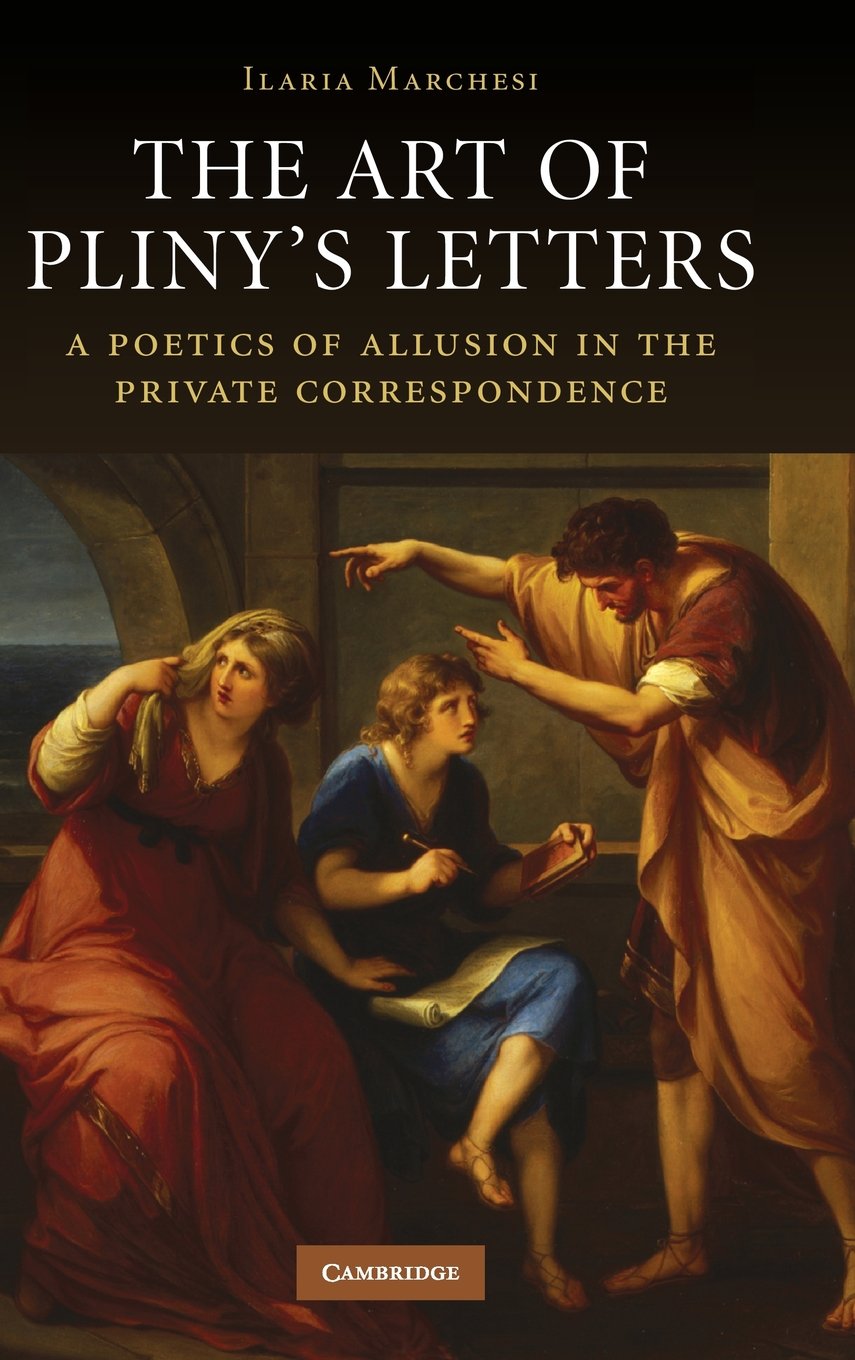
The Art of Pliny's Letters: A Poetics of Allusion Ilaria
The Art of Pliny's Letters: A Poetics of Allusion Ilaria
Price subject to change. Tap below for current.
Couldn't load pickup availability
In this review of The Art of Pliny's Letters: A Poetics of Allusion in the Private Correspondence, Professor Ilaria Marchesi offers a focused, scholarly account of how Pliny the Younger shapes his epistolary collection through deliberate allusion. The bottom line: this book is essential for scholars and graduate students who want a rigorous reading of Pliny as a self-conscious literary architect, because Marchesi demonstrates with clear close readings that the letters operate both as individual rhetorical units and as a curated collection engaged in metapoetic dialogue.
Key Features
- Intertextual focus: The book traces how Pliny inserts recognisable fragments of canonical authors into his letters, showing how those echoes recast private correspondence as literary practice.
- Authorial strategy: Marchesi argues that Pliny controls the rhetorical fabric of individual letters and their arrangement in the collection, helping readers see the letters as an organised whole.
- Metapoetic reading: The study highlights moments where allusion triggers metapoetic conversation, particularly with Tacitus, revealing political and cultural stakes beneath personal address.
- Close textual analysis: The author offers careful readings of specific letters and their embedded echoes, giving readers concrete evidence for broader claims about composition.
- Contextual interpretation: The book situates Pliny in the cultural politics of his time, demonstrating how the letters communicate the author's views on poetry and literary status.
Who It's For
This is primarily aimed at specialists: classicists, literary historians, and graduate students working on Roman literature or intertextuality will find the argument precise and the readings illuminating. Readers who value close reading and argument grounded in textual detail will appreciate Marchesi's methodical approach and engagement with canonical intertexts.
Those seeking a general introduction to Pliny or a breezy overview of Roman letters should look elsewhere; the book assumes familiarity with Latin texts, major authors, and scholarly debate, and is not written as an accessible paperback for casual readers.
Pros & Cons
Pros
- Offers a convincing, unified thesis that treats the letters as a deliberately organised literary collection.
- Provides detailed close readings that supply clear textual evidence for claims about allusion and poetics.
- Illuminates the interpersonal and cultural dialogue between Pliny and Tacitus, enhancing understanding of Roman literary politics.
Cons
- The scholarly density and assumed background knowledge make it less suitable for non-specialist readers.
Specifications
| Title | The Art of Pliny's Letters: A Poetics of Allusion in the Private Correspondence |
| Author / Editor | Ilaria Marchesi |
| Subject | Intertextuality and poetics in Pliny the Younger |
| Focus | Allusion, letter composition, metapoetic dialogue |
| Primary addressee discussed | Tacitus |
| Approach | Close textual analysis and cultural contextualisation |
Our Verdict
Marchesi's study is a well-argued, tightly focused contribution to scholarship on Pliny: it rewards readers who bring prior knowledge and patience with sustained close reading. For advanced students and specialists interested in how private letters can function as literary composition, this book represents excellent value for its argumentative clarity and textual grounding.
Frequently Asked Questions
Is this book suitable for beginners in classical studies?
Answer. No; the book assumes familiarity with Latin literature and scholarly debates and is aimed at specialists and graduate students.
Does the author discuss political context?
Answer. Yes; Marchesi situates Pliny's allusions within the cultural politics of his time and explores implications for views on poetry.
Are specific letters analysed in detail?
Answer. Yes; the book provides close readings of particular epistles and shows how inserted canonical fragments function within them.
Editor's Take
Marchesi presents a tightly argued study showing how Pliny's letters use allusion to create a literary collection; a valuable, specialist resource for graduate students and classicists.

Recently viewed
Recently viewed products will appear here as customers browse the store.