

The Basics of Geomorphology: Key Concepts - Essential Student Guide
The Basics of Geomorphology: Key Concepts - Essential Student Guide
Price subject to change. Tap below for current.
Couldn't load pickup availability
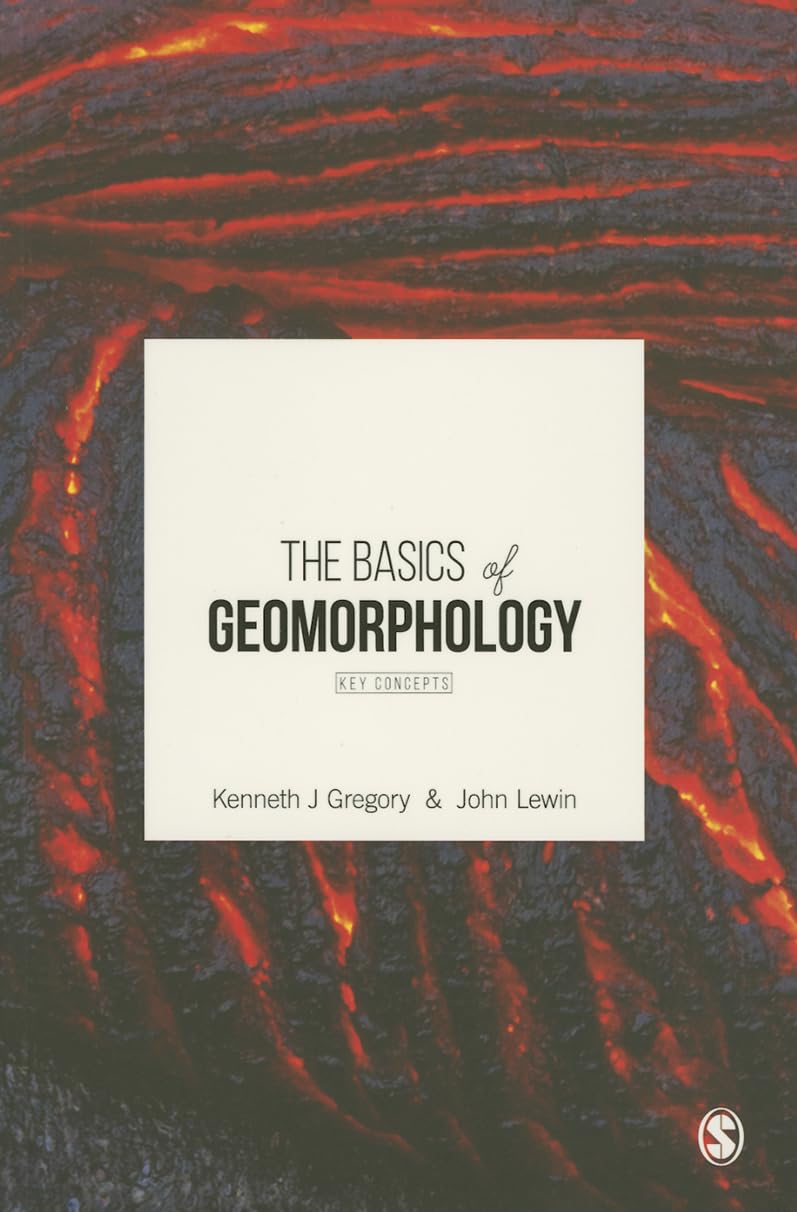
In this review the essentials are clear: The Basics of Geomorphology: Key Concepts is a focused, student-oriented introduction that distills landform science into an accessible conceptual framework. Written as a classroom-friendly text, it presents the discipline through 20 core concepts, making it particularly useful for senior undergraduates, postgraduate students and researchers who need a clear, idea-driven route into Earth surface processes. The single biggest reason to buy is its concept-led structure, which turns complex debates about processes and landforms into digestible, transferable notions for study and teaching.
Key Features
- Concept-driven structure: The book organizes geomorphology into 20 central concepts so readers can grasp the theoretical backbone without wading through unrelated detail.
- Student focus: Explanations are written with learners in mind, helping undergraduates and postgraduates follow arguments and link ideas to field observations.
- Expert authorship: The text benefits from the combined perspectives of two established academics, providing trustworthy interpretation of complex debates.
- Clear synthesis: The book synthesizes key hypotheses and concepts to help readers form a coherent framework for thinking about landforms and processes.
- Useful for teaching: Its readable presentation and logical ordering make it suitable as a course text or supplementary classroom resource.
Who It's For
Best use cases: This book is aimed at senior undergraduates, postgraduate students and early-career researchers who need a concise, concept-focused primer on geomorphology. It is especially helpful for those preparing for coursework, seminars or fieldwork who require a structured overview of the main ideas that shape modern thinking about Earth surface processes.
Who should look elsewhere: Readers seeking extensive field guides, detailed laboratory methods, or exhaustive regional case studies may find this text too conceptual; practitioners needing step-by-step techniques or comprehensive data compilations should consult more technical handbooks instead.
Pros & Cons
Pros
- Clear, concept-led organization that aids comprehension and retention of key geomorphology ideas.
- Authoritative voice from experienced academics gives confidence in the interpretation of theories.
- Readable and well suited to classroom use as a primary or supplementary text for advanced undergraduates and postgraduates.
Cons
- Focused on concepts rather than field techniques or exhaustive case studies, so it is not a practical field manual.
Specifications
| Title | The Basics of Geomorphology: Key Concepts |
| Authors | Kenneth J. Gregory, John Lewin |
| Audience | Senior undergraduates, postgraduates, researchers |
| Approach | Twenty concept-based chapters |
| Focus | Concepts, ideas and hypotheses in geomorphology |
| Use case | Course text, theoretical primer, seminar reading |
Our Verdict
The Basics of Geomorphology: Key Concepts is a well-structured, high-value introduction for students and researchers who want a coherent conceptual map of landform science. Its 20-concept approach makes complex material approachable and classroom-ready; buy it if you need a reliable theoretical primer rather than a field or methods manual.
Frequently Asked Questions
Is this book suitable for beginners?
Yes. It is geared to senior undergraduates and new postgraduates, presenting concepts clearly while assuming some prior physical geography background.
Does it include field methods or lab procedures?
No. The book focuses on concepts, ideas and hypotheses rather than practical step-by-step field or laboratory techniques.
Can it be used as a course textbook?
Yes. Its readable structure and concept-led chapters make it well suited as a primary or supplementary text for geomorphology courses.
Editor's Take
The Basics of Geomorphology: Key Concepts is a clear, concept-driven primer ideal for senior undergraduates and postgraduates; its 20-concept structure makes complex ideas accessible and classroom-ready.

Recently viewed
Recently viewed products will appear here as customers browse the store.