

The Behavioral Consequences of Stroke - Clinical and Reference
The Behavioral Consequences of Stroke - Clinical and Reference
Price subject to change. Tap below for current.
Couldn't load pickup availability
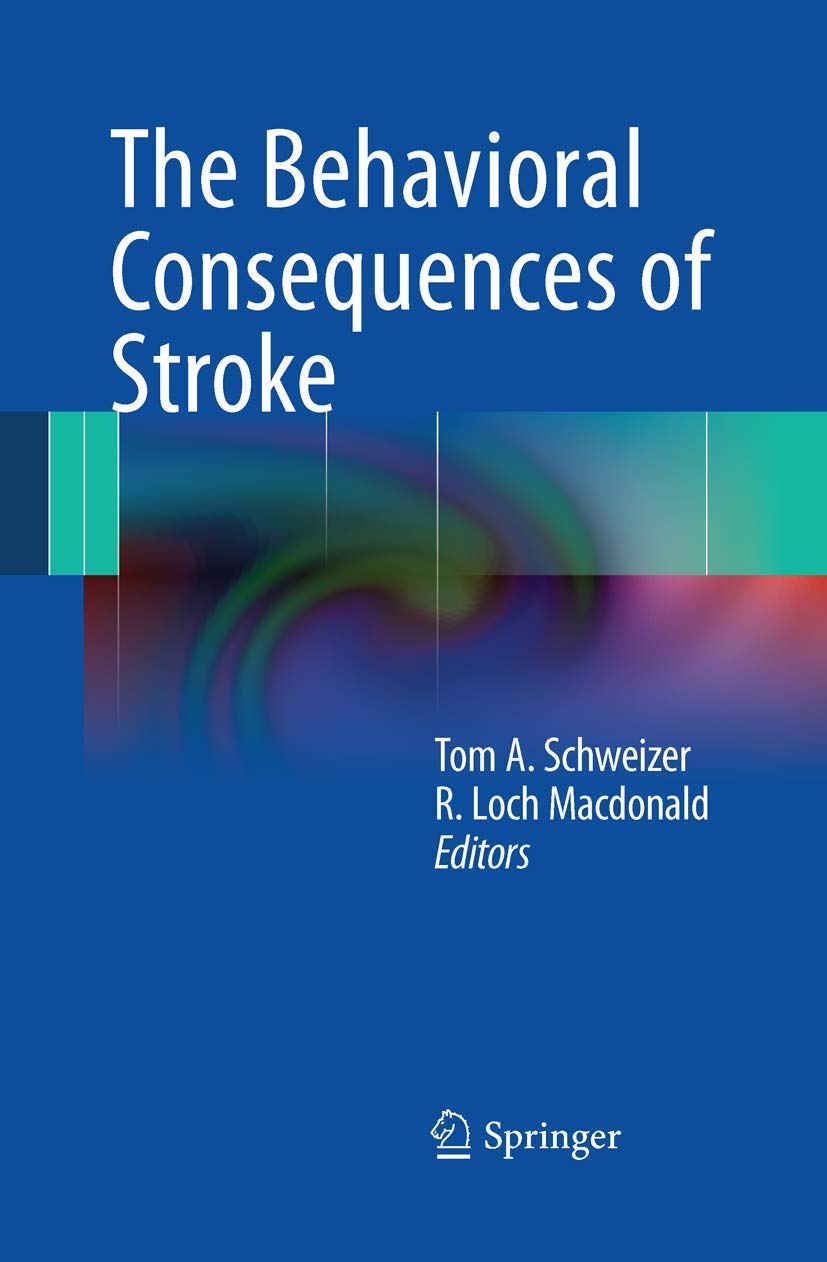
In this review of The Behavioral Consequences of Stroke, the bottom line is clear: clinicians and researchers seeking a comprehensive, clinical overview of post-stroke cognitive and neurobehavioral issues will find a rigorous, state-of-the-art reference here. Edited by a neurosurgeon and a cognitive neuroscientist, the book compiles international expertise to address how cognitive deficits and neurobehavioral complications affect recovery and long-term function, making it most useful for neurologists, rehabilitation specialists, and advanced trainees who need depth rather than a brief primer.
Key Features
- Comprehensive scope: Offers a broad overview of cognitive and neurobehavioral effects of stroke, useful for planning patient assessment and follow-up care.
- Expert authorship: Written by an international panel of experts, the chapters provide authoritative perspectives grounded in current clinical practice.
- Clinical relevance: Addresses the interaction between physical disability and cognitive complications, helping clinicians consider how cognition shapes functional recovery.
- Range of topics: Covers epidemiology, general treatment, and specific syndromes such as post-stroke aphasia and memory loss, supporting targeted diagnostic approaches.
- Interdisciplinary editing: Edited by both a neurosurgeon and a cognitive neuroscientist, which balances surgical, neurological, and cognitive viewpoints for comprehensive care planning.
Who It's For
The Behavioral Consequences of Stroke is aimed at neurologists, neurosurgeons, rehabilitation physicians, neuropsychologists, and trainees who require a detailed, evidence-informed treatment of cognitive and behavioral outcomes after stroke. It is particularly helpful for clinicians involved in multidisciplinary stroke teams who need to integrate cognitive assessment into rehabilitation planning.
Those seeking a brief handbook, patient-facing guide, or a pocket reference for primary care may find this volume more detailed than necessary; it is best suited to specialists and researchers rather than lay readers or generalist quick-reference needs.
Pros & Cons
Pros
- Authoritative essays by international experts provide depth across core topics in post-stroke cognition.
- Balanced editorial perspective from neurosurgery and cognitive neuroscience enhances clinical applicability.
- Detailed coverage of syndromes such as aphasia and memory loss supports targeted assessment and intervention planning.
Cons
- Not a light reference; the level of detail may exceed the needs of non-specialists or those seeking quick clinical checklists.
Specifications
| Title | The Behavioral Consequences of Stroke |
| Editors | Tom A. Schweizer, R. Loch Macdonald |
| Scope | Cognitive and neurobehavioral effects of stroke |
| Content focus | Epidemiology, treatment, sensorimotor control, aphasia, memory loss |
| Contributors | International panel of experts |
| Editorial perspective | Neurosurgery and cognitive neuroscience |
Our Verdict
The Behavioral Consequences of Stroke is a substantive, clinician-focused reference that belongs on the shelf of neurologists, rehabilitation specialists, and neuropsychologists who manage post-stroke cognitive and behavioral complications. Its expert contributors and interdisciplinary editing make it good value for readers who need a thorough, clinically oriented resource rather than a brief primer.
Frequently Asked Questions
Is this book suitable for clinical practice?
Yes. The book emphasizes clinical relevance and provides material useful for assessment and planning of post-stroke care.
Who contributed to the chapters?
Chapters are written by an international panel of experts and edited by a neurosurgeon and a cognitive neuroscientist.
Does it cover specific disorders like aphasia?
Yes. The volume explicitly addresses post-stroke aphasia, memory loss, and sensorimotor control among other topics.
Editor's Take
A substantive, clinician-focused reference that is essential for neurologists and rehabilitation specialists managing post-stroke cognitive and behavioral complications, offering expert, interdisciplinary coverage.

Recently viewed
Recently viewed products will appear here as customers browse the store.