

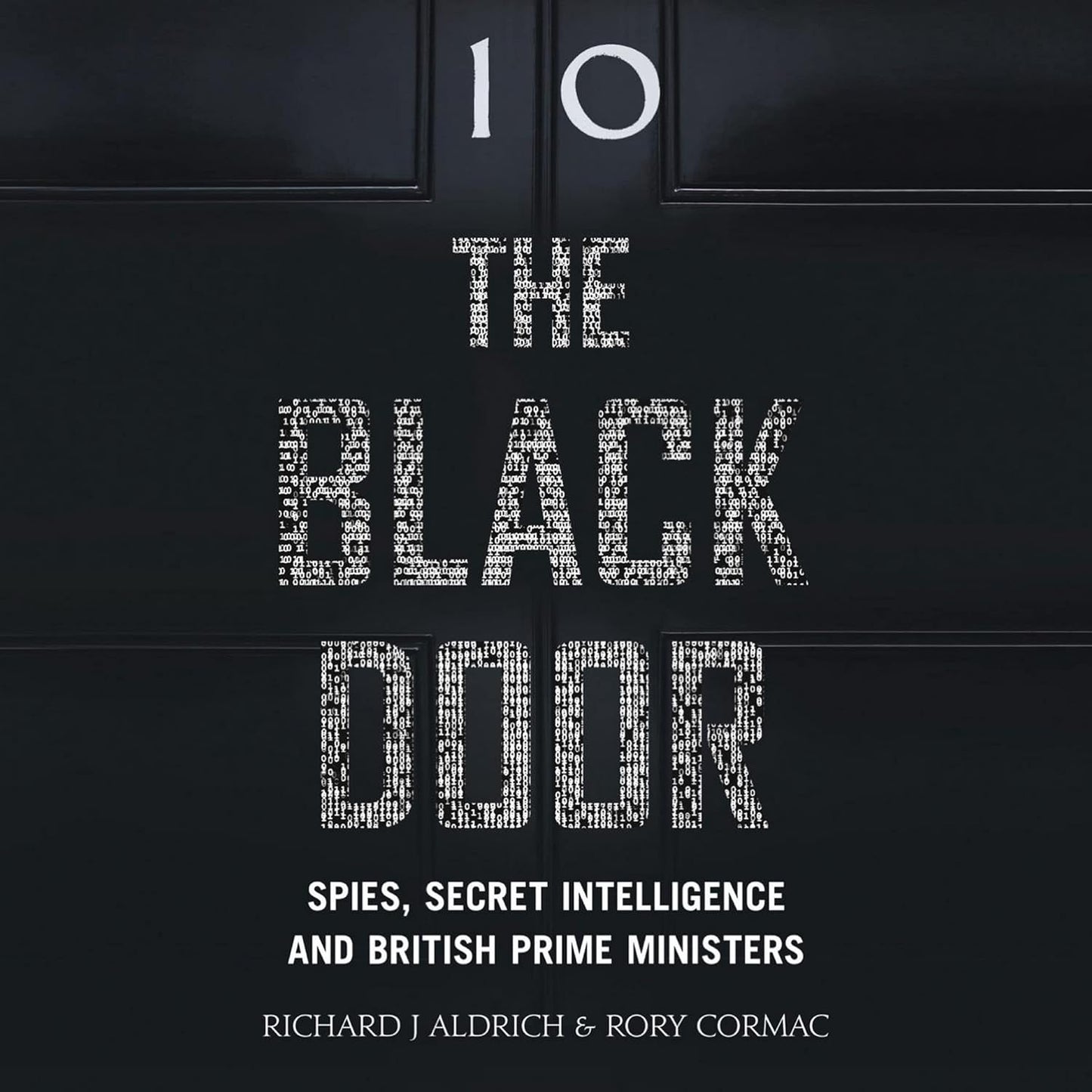
The Black Door: Spies, Secret Intelligence and British Prime Ministers
The Black Door: Spies, Secret Intelligence and British Prime Ministers
Price subject to change. Tap below for current.
Couldn't load pickup availability
In this review of The Black Door: Spies, Secret Intelligence and British Prime Ministers, the authors' central claim is clear: the secret world has been woven into the exercise of British power for more than a century. Readers who want a thoughtful, narrative history of how intelligence shaped prime ministerial decision making will find this work valuable. The book is best appreciated by people interested in political history, intelligence studies and the personal impacts of state secrecy, and this review focuses on clarity of argument, historical examples and the long arc from 1909 to the contemporary era.
Key Features
- Historical scope: Traces the development of modern British intelligence from the 1909 founding to recent prime ministerial uses, giving a long-term view of institutional change.
- Case studies: Uses detailed episodes, including Winston Churchill's wartime innovations, to show how intelligence was integrated into the centre of government.
- Political focus: Emphasises the relationship between prime ministers and secret services, clarifying how leaders have used intelligence to pursue policy and avoid political harm.
- Continuity and legacy: Demonstrates how wartime practices created a school of intelligence that influenced later leaders such as Margaret Thatcher, Tony Blair and David Cameron.
- Analytic narrative: Frames intelligence not simply as information but as a tool of statecraft, helping readers understand the ethical and strategic stakes of clandestine activity.
Who It's For
History readers who want a political lens on intelligence will appreciate the focused narrative and selection of prime ministerial case studies. Scholars and informed general readers interested in British government, wartime policy making and the institutional history of spying will find the book a useful synthesis of how secrecy was operationalised at Number 10.
Those seeking an operational manual about espionage techniques or a memoir-like personal account from spies should look elsewhere; this is a historian's account concentrating on leaders and institutions rather than tradecraft or first-person spy anecdotes.
Pros & Cons
Pros
- Clear through-line showing how intelligence became central to prime ministerial power and decision making.
- Strong use of wartime examples, especially Churchill's reforms, to illuminate broader institutional change.
- Useful linkage of historical events to the attitudes of later prime ministers, exposing a durable political legacy.
Cons
- The focus on leaders and institutions means readers expecting vivid spy memoirs or technical detail may be disappointed.
Specifications
| Title | The Black Door: Spies, Secret Intelligence and British Prime Ministers |
| Authors | Richard Aldrich, Rory Cormac |
| Subject focus | British intelligence and prime ministers |
| Historical range | From the 1909 founding of modern secret service through the late 20th and early 21st centuries |
| Key figures discussed | Winston Churchill, Margaret Thatcher, Tony Blair, David Cameron |
| Genre | History / Politics & Government |
Our Verdict
The Black Door offers a well argued, readable account of how intelligence became integral to British prime ministerial power; it is good value for readers who want political history and institutional analysis rather than operational spy lore. Buy it if you want insight into how secrecy has shaped UK leadership and policy over a century.
Frequently Asked Questions
Does this book cover the origins of British intelligence?
Yes; it traces the birth of the modern secret service around 1909 and explains early prime ministerial unfamiliarity with the secret world.
Is the focus on wartime activity?
Wartime developments, especially under Winston Churchill, are central because they transformed the role of intelligence in government.
Will I learn about specific spies and operations?
The book emphasises leaders and institutional change rather than detailed tradecraft or biographies of individual agents.
Editor's Take
The Black Door delivers a readable, well argued history of how intelligence became integral to British prime ministerial power, best for readers seeking political and institutional analysis rather than spy tradecraft.

Recently viewed
Recently viewed products will appear here as customers browse the store.