

The Cambridge Companion to Cicero - Concise Guide for Classics Readers
The Cambridge Companion to Cicero - Concise Guide for Classics Readers
Price subject to change. Tap below for current.
Couldn't load pickup availability
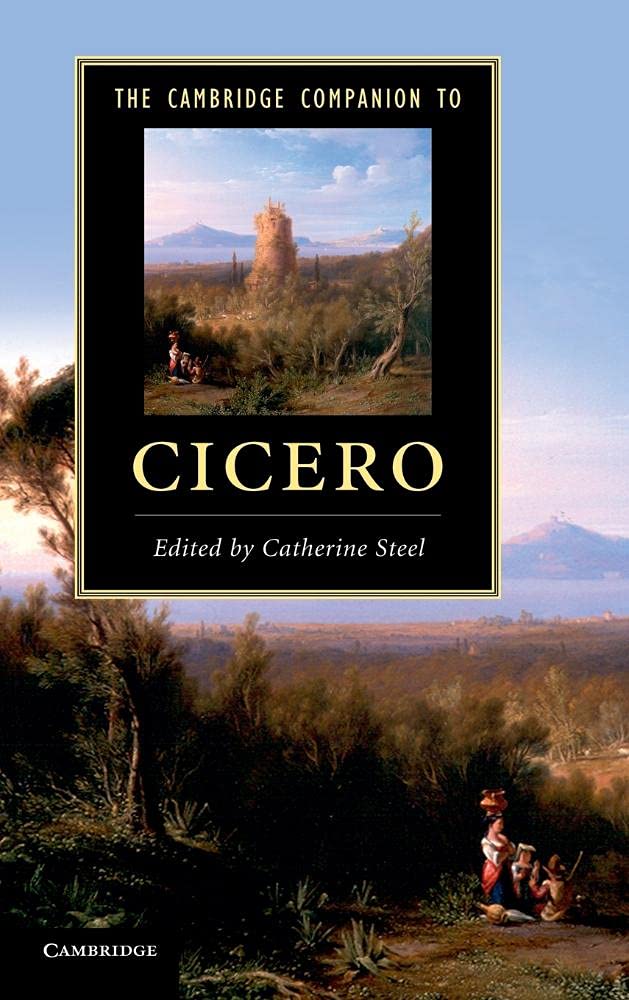
In this review of The Cambridge Companion to Cicero the reviewer finds a thoughtful, compact guide aimed at students and general readers seeking a clear entry to Cicero's work and influence. It is best for those who want an overview that connects Cicero's letters, speeches and treatises with the political and literary culture of the late Republic. The single biggest reason to buy is the book's emphasis on how Cicero's varied writings relate to his public career and later reception, providing context rather than exhaustive textual analysis.
Key Features
- Comprehensive coverage: Discusses the full range of Cicero's writings, from letters and speeches to treatises and poetry, giving readers a broad map of his corpus.
- Historical context: Emphasises links with the literary culture of the late Republic so readers can see how texts relate to political events.
- Career-focused analysis: Shows how Cicero's public career and personal struggles shaped his writing, useful for understanding motive and perspective.
- Reception history: Explains how Cicero's works were read and imitated in antiquity and why they became important in political theory and classical study.
- Accessible tone: Written for students and general readers, the Companion balances scholarly detail with readable summaries to support coursework or independent study.
Who It's For
The Companion suits undergraduates, graduate students beginning research, and informed general readers who want a reliable synthesis of Cicero's writings and their significance. Its focus on connections between literature, politics and reception makes it a good preparatory text for seminars or essays.
It is less suitable for readers seeking close textual criticism, full translations, or exhaustive footnoted scholarship on individual speeches; specialists requiring detailed philological apparatus should look to monographs and critical editions instead.
Pros & Cons
Pros
- Provides a wide-ranging overview of Cicero's output that clarifies his role in late Republican culture.
- Connects literary works to political events and personal biography, aiding interpretation.
- Addresses the later reception of Cicero, showing the long-term influence on political thought.
Cons
- Not a substitute for primary-text editions or specialist, in-depth scholarship on single works.
Specifications
| Title | The Cambridge Companion to Cicero |
| Series | Cambridge Companions to Literature |
| Subject focus | Cicero's letters, speeches, treatises and poetry |
| Emphases | Literary culture of the late Republic and reception history |
| Intended audience | Students and general readers of classical literature |
| Editor / Author | Catherine Steel |
Our Verdict
The Cambridge Companion to Cicero is a well-judged introduction that combines literary and political perspectives, making it excellent value for students and readers wanting context and synthesis rather than exhaustive textual apparatus. Buy it to gain a coherent view of Cicero's writings and their long-term influence.
Frequently Asked Questions
Does this Companion cover all of Cicero's writings?
Yes, it discusses the whole range of Cicero's letters, speeches, treatises and poetry with emphasis on their interconnections.
Is this suitable for beginners?
Yes, it is aimed at students and general readers and is accessible to those new to Cicero, though it does not replace primary texts.
Will I find detailed translations here?
No, the Companion provides analysis and context rather than full translations or critical editions.
Editor's Take
The Cambridge Companion to Cicero is a well-judged introduction combining literary and political perspectives; ideal for students and readers seeking context and synthesis rather than primary-text editions.

Recently viewed
Recently viewed products will appear here as customers browse the store.