

The Cambridge Companion to David Hare - Comprehensive Critical
The Cambridge Companion to David Hare - Comprehensive Critical
Price subject to change. Tap below for current.
Couldn't load pickup availability
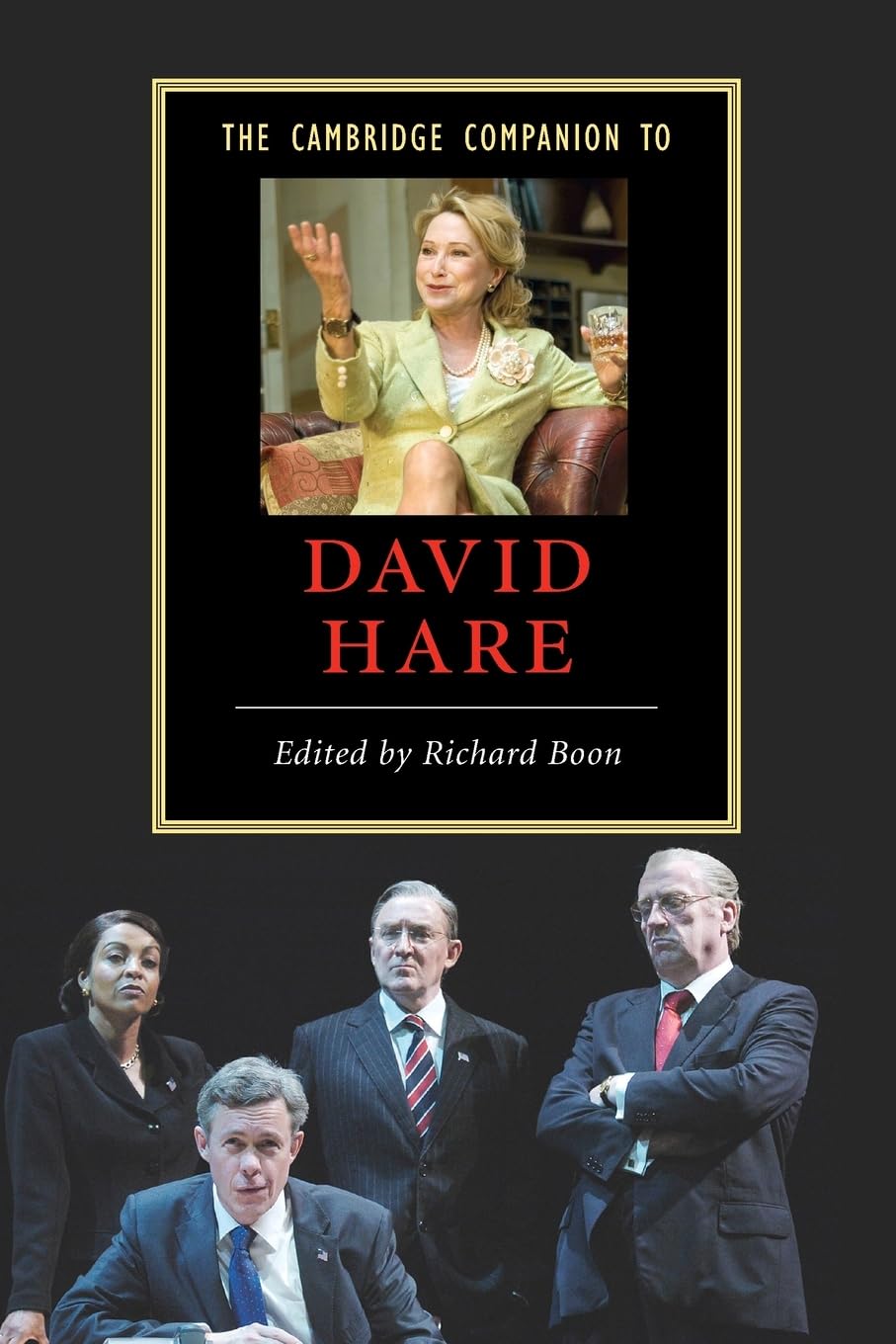
In this review of The Cambridge Companion to David Hare the reviewer finds a focused, scholarly volume ideal for readers seeking a broad, up-to-date critical treatment of one of Britain's leading dramatists. The book's single biggest selling point is its scope: it examines Hare's stage plays, television plays and films alongside his journalism and public speaking, bringing together academic analysis and practitioner perspective in one accessible companion for study and reference.
Key Features
- Comprehensive coverage: Essays address Hare's stage plays, television plays and cinematic films, giving readers a rounded sense of his work across media.
- Practitioner insight: Contributions from theatre practitioners, including a chapter by Sir Richard Eyre, provide firsthand context on production and collaboration.
- Unique material: The volume includes a personal memoir by Tony Bicat and an interview with Hare, offering rare primary perspectives not found in standard criticism.
- Scholarly balance: Leading academics in modern British theatre contribute rigorous critical analysis useful for students and researchers.
- Up-to-date treatment: The book aims to be the first of its kind to give a current, comprehensive overview of Hare's career and public voice.
Who It's For
The Cambridge Companion to David Hare is best suited to university students, theatre scholars and practitioners who need a single, reliable source that compiles critical essays and firsthand testimony about Hare's career. It works well as a course text or a reference volume for research into contemporary British drama.
Readers looking for a quick introduction to Hare's plays or casual fans of a single production may find the academic tone heavy; those seeking a complete collection of plays or stage scripts should look for editions that reproduce texts rather than critical essays.
Pros & Cons
Pros
- Broad interdisciplinary scope covering stage, television and film.
- Includes unique firsthand material like a memoir and an interview with Hare.
- Balanced contributions from both academics and practitioners add practical context.
Cons
- The volume is scholarly in tone and may feel dense for readers seeking light or introductory material.
Specifications
| Title | The Cambridge Companion to David Hare |
| Series | Cambridge Companions to Literature |
| Editor / Brand | Richard Boon |
| Coverage | Stage plays, television plays, cinematic films, journalism and public speaking |
| Special content | Memoir by Tony Bicat and an interview with David Hare |
| Contributors | Leading academics and theatre practitioners including Sir Richard Eyre |
Our Verdict
The Cambridge Companion to David Hare is a worthwhile purchase for students, researchers and theatre professionals who need a comprehensive, critically informed guide to Hare's work across media. Its mix of scholarly essays and practitioner testimony makes it good value as a single-volume reference, though casual readers seeking light reading or complete play texts may prefer other formats.
Frequently Asked Questions
Does this volume cover Hare's film work?
Yes. The book explicitly examines cinematic films alongside stage and television plays.
Are there firsthand accounts from collaborators?
Yes. The collection includes contributions from practitioners and a memoir by Tony Bicat, plus an interview with Hare.
Is this suitable for a general reader?
It is aimed primarily at students and scholars; general readers may find the academic tone more demanding than a popular biography.
Editor's Take
A comprehensive, scholarly companion ideal for students and theatre professionals seeking critical analysis and practitioner perspectives on David Hare's plays, screen work and public voice.

Recently viewed
Recently viewed products will appear here as customers browse the store.