

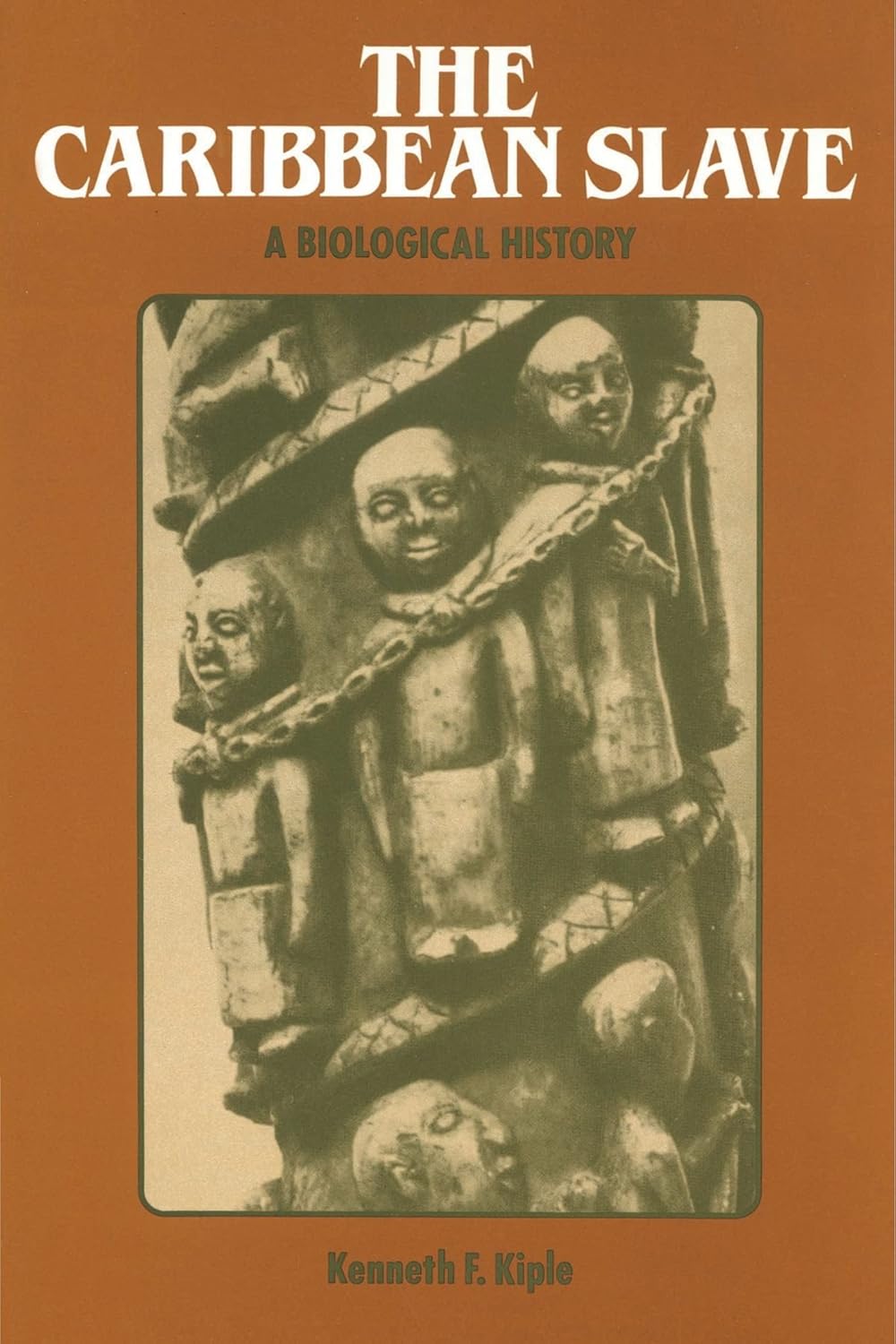
The Caribbean Slave: A Biological History - Scholarly
The Caribbean Slave: A Biological History - Scholarly
Price subject to change. Tap below for current.
Couldn't load pickup availability
Our review of The Caribbean Slave: A Biological History finds it best suited for readers seeking a scholarly, evidence-driven exploration of health and disease among enslaved African populations in the West Indies. The book's single biggest strength is its focused, interdisciplinary approach: it traces biological experience from West African homelands through the middle passage and into Caribbean plantation life, making it a useful resource for historians, medical anthropologists, and students of public health interested in historical epidemiology and nutrition. This review highlights how the work connects environment, disease, and nutrition without drifting into unsupported generalities.
Key Features
- Historical epidemiology: The book examines how the arrival of Europeans altered the disease environment in the Caribbean, providing context for shifting patterns of illness.
- West African background: Kiple considers the nutritional and disease environments of the slave ancestors' homelands, explaining biological predispositions that influenced outcomes in the New World.
- Middle passage analysis: A distinctive chapter on the epidemiological and pathological consequences of the middle passage details how that journey affected newly enslaved blacks' health.
- Comparative framework: Using island whites as a control, the study isolates the role of nutrition and environment in disease development among the black slave population.
- Interdisciplinary method: The work blends environmental history, pathology, and nutrition studies to build a rounded picture of health under slavery.
Who It's For
This book is ideal for historians of medicine, graduate students in environmental and social history, and researchers in medical anthropology who need a focused case study on the biological dimensions of slavery in the Caribbean. Its attention to nutrition and epidemiology makes it particularly relevant for scholars tracing the origins of population health disparities.
Readers seeking a narrative social history full of personal stories or a brief introductory overview should look elsewhere; this is an analytical, academic treatment that assumes some familiarity with historical and medical concepts rather than a general-audience primer.
Pros & Cons
Pros
- Thoroughly documents how changes in the disease environment after European contact affected Caribbean populations.
- Places the slave experience in a broader West African biological context, which clarifies inherited nutritional and disease patterns.
- The middle passage chapter provides innovative, evidence-based discussion of pathological consequences for newly enslaved people.
Cons
- The scholarly focus and technical subject matter may be dense for casual readers seeking a general history.
Specifications
| Title | The Caribbean Slave: A Biological History |
| Series | Studies in Environment and History |
| Author | Kenneth F. Kiple |
| Subject focus | Biological history of enslaved blacks in the Caribbean |
| Key themes | Disease environment, nutrition, middle passage, comparative health |
| Intended audience | Historians, medical anthropologists, graduate students |
Our Verdict
The Caribbean Slave: A Biological History is a valuable academic resource for anyone studying historical epidemiology, nutrition, and the biological consequences of slavery. Its comparative approach and the innovative middle passage analysis make it good value for scholars and graduate students seeking a focused, evidence-rich treatment rather than a popular narrative.
Frequently Asked Questions
Does this book cover the middle passage?
Yes. It includes a dedicated chapter examining epidemiological and pathological consequences of the middle passage for newly enslaved people.
Is the book suitable for general readers?
It is primarily academic and may be dense for casual readers; it is best for those with some background in history or medical studies.
Does the author compare slave health to other groups?
Yes. Kiple uses the general health and nutrition of island whites as a control to assess factors affecting slave health.
Editor's Take
The Caribbean Slave: A Biological History is a focused, evidence-rich academic study ideal for historians and researchers interested in disease, nutrition, and the middle passage; its comparative and interdisciplinary approach makes it a valuable resource despite a dense, scholarly style.

Recently viewed
Recently viewed products will appear here as customers browse the store.