

The Case Against Theism - Rigorous Philosophical Critique
The Case Against Theism - Rigorous Philosophical Critique
Price subject to change. Tap below for current.
Couldn't load pickup availability
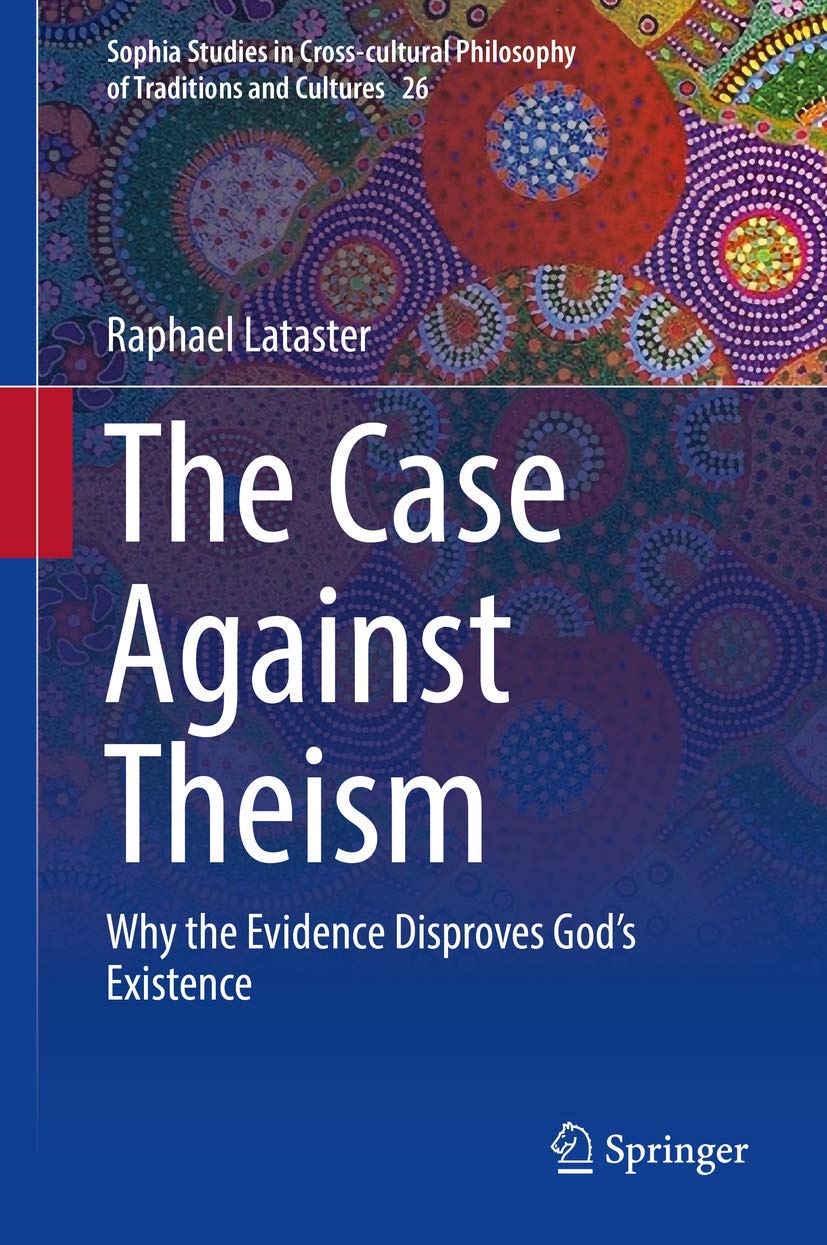
Our review of The Case Against Theism finds it a focused, academically minded monograph best suited to readers who want a rigorous, evidence-based challenge to modern Christian theistic arguments. The author offers a sustained critique of prominent scholar William Lane Craig using a blend of philosophical, mathematical, scientific, historical and sociological reasoning, and the single biggest reason to read it is its probabilistic reassessment of the evidential case rather than polemical dismissal. This review explains why the book is valuable for specialists and where general readers may need more background.
Key Features
- Targeted critique: The book concentrates on the contemporary evidential case for Christian theism, giving readers a clear, sustained engagement with William Lane Craig's arguments.
- Interdisciplinary approach: Readers gain perspective from philosophical, mathematical, scientific, historical and sociological tools applied to theism and naturalism claims.
- Probabilistic method: The author advances the discussion by employing a probabilistic framework rather than purely rhetorical argument, which clarifies strengths and weaknesses in evidential reasoning.
- Nuanced stance: The work does not attack religion wholesale but focuses on the modern evidential case, making it a careful, academic critique rather than a general polemic.
- Scholarly tone: The monograph format and specialist language make it suitable for scholars, graduate students, and thoughtful readers seeking depth.
Who It's For
The Case Against Theism is aimed at philosophers, theologians, graduate students and intellectually engaged readers who want a careful, evidence-focused rebuttal to modern Christian apologetics, especially the work of William Lane Craig. It benefits those comfortable with abstract argumentation and interdisciplinary evidence, including probability theory applications to metaphysical questions.
Readers seeking a primer on world religions, an accessible popular critique, or devotional material should look elsewhere; the book assumes familiarity with philosophical debate and does not serve as a general introduction to faith or apologetics.
Pros & Cons
Pros
- Focused engagement with a specific, influential contemporary theistic case provides depth over breadth.
- Interdisciplinary evidence makes the critique robust and harder to dismiss as purely rhetorical.
- The probabilistic framework lends clarity to complex epistemic claims about theism and naturalism.
Cons
- The scholarly tone and technical approaches limit accessibility for readers without background in philosophy or probability.
Specifications
| Title | The Case Against Theism (Sophia Studies in Cross-cultural Philosophy of Traditions and Cultures, 26) |
| Author | Lataster |
| Focus | Critique of William Lane Craig's arguments for Christian theism |
| Approach | Philosophical, mathematical, scientific, historical and sociological |
| Method | Probabilistic assessment of evidential claims |
| Intended audience | Scholars, graduate students, serious readers of philosophy of religion |
Our Verdict
The Case Against Theism is a valuable, well-argued monograph for readers who want a disciplined, interdisciplinary critique of contemporary Christian apologetics. It represents good value for scholars and graduate students seeking a probabilistic reassessment of evidential theism, though casual readers may find the technical tone demanding.
Frequently Asked Questions
Does this book attack religion generally?
The author explicitly states the goal is not to criticize religion wholesale but to examine the modern evidential case for Christian theism.
Is prior philosophical knowledge required?
Yes, the book assumes some familiarity with philosophical debate and probabilistic reasoning to fully appreciate the arguments.
Which arguments are addressed?
The monograph focuses on the contemporary evidential arguments advanced by William Lane Craig and assesses them across several disciplinary perspectives.
Editor's Take
The Case Against Theism offers a focused, interdisciplinary critique of contemporary Christian theism that is valuable for scholars and graduate students, using probabilistic methods to re-evaluate evidential claims.

Recently viewed
Recently viewed products will appear here as customers browse the store.