

The Chaitanya Vaishnava Vedanta of Jiva Gosvami - Scholarly
The Chaitanya Vaishnava Vedanta of Jiva Gosvami - Scholarly
Price subject to change. Tap below for current.
Couldn't load pickup availability
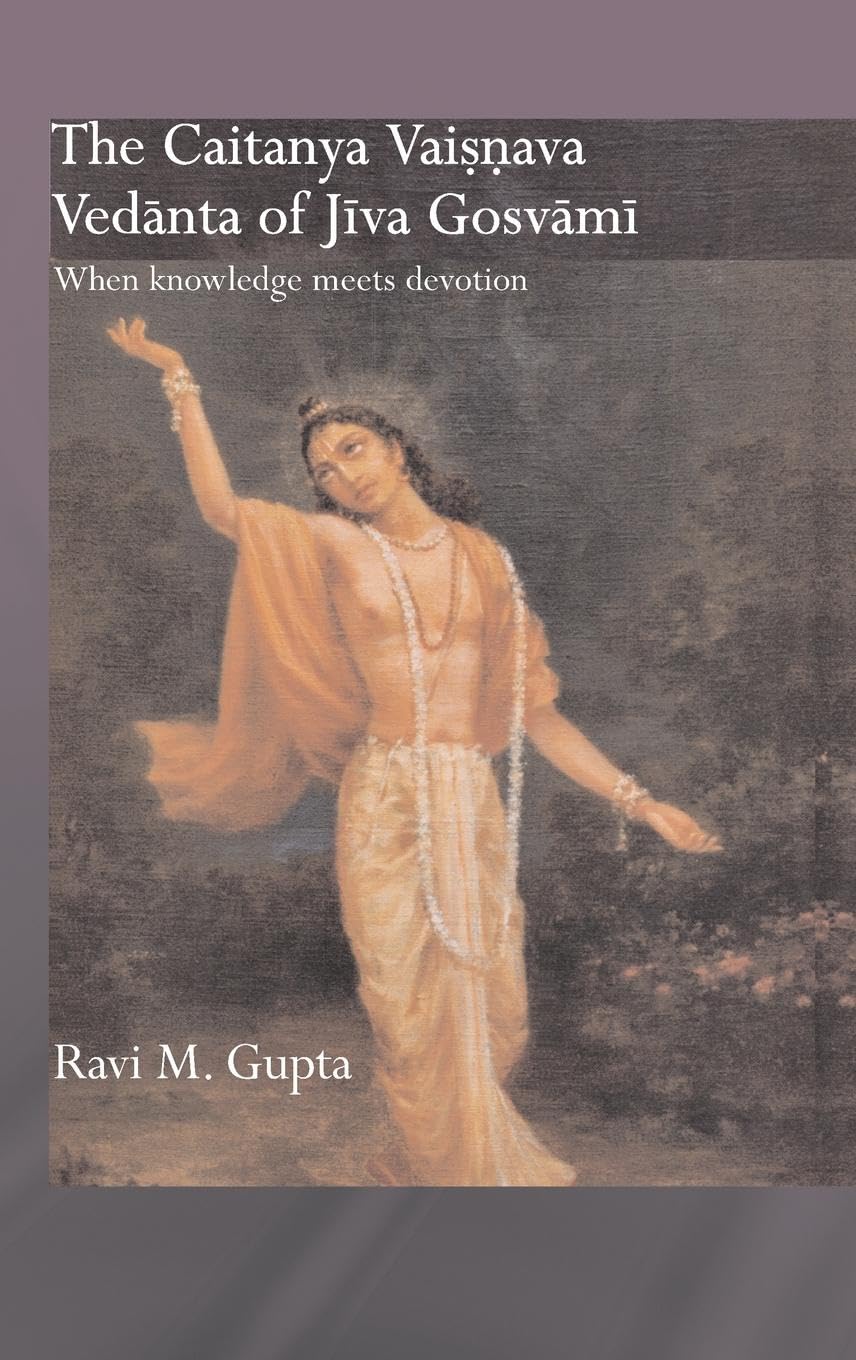
In this review of The Chaitanya Vaishnava Vedanta of Jiva Gosvami, the book is presented as a focused, scholarly study best suited to readers seeking a rigorous account of Chaitanya Vaishnavism's philosophical foundations. Ravi M. Gupta unpacks how a devotional tradition also constructs systematic argumentation, and the single biggest reason to read this volume is its careful analysis of hermeneutical methods and Vedanta resources that shaped the Chaitanya tradition. The tone is academic and interpretive rather than devotional, making it most valuable for students, researchers, and educated readers interested in Indian philosophy and religion.
Key Features
- Historical context: The author locates Jiva Gosvami within the broader Chaitanya movement, clarifying the historical resources the tradition harnessed.
- Hermeneutical focus: Gupta explains the interpretive tools Chaitanya Vaishnavas used to read canonical texts, helping readers see how devotional claims were argued philosophically.
- Philosophical structure: The book maps the architecture of arguments and shows how Vedanta served as the supporting foundation for theological claims.
- Scholarly rigor: The writing appeals to an academic audience, offering careful exposition rather than devotional instruction, which benefits researchers and graduate students.
- Comparative insight: By comparing the Chaitanya approach to other Vaishnava schools, the book highlights what is distinctive about its philosophical contribution.
Who It's For
This volume is intended for readers with some background in Indian philosophy, religious studies, or South Asian history who want a substantive, analytical account of Chaitanya Vaishnavisms intellectual dimensions. Graduate students, university instructors, and serious independent scholars will find the close readings and emphasis on hermeneutics especially useful.
Those looking for an introductory devotional manual, a popular history, or a light survey of Krishna devotion should look elsewhere; the book assumes familiarity with basic Vedanta terminology and prioritizes philosophical exposition over devotional practice or narrative storytelling.
Pros & Cons
Pros
- Thorough analysis of Jiva Gosvamis use of Vedanta provides clarity on the philosophical underpinnings of the tradition.
- Clear treatment of hermeneutical methods helps readers understand how devotional claims were rationalized.
- Comparative perspective situates the Chaitanya tradition among other Vaishnava schools, sharpening its distinctiveness.
Cons
- The academic, dense style limits accessibility for casual readers or those new to Indian philosophy.
Specifications
| Title | The Chaitanya Vaishnava Vedanta of Jiva Gosvami |
| Series | Routledge Hindu Studies Series |
| Author / Editor | Ravi M. Gupta |
| Subject focus | Chaitanya Vaishnavism, Vedanta, hermeneutics |
| Approach | Scholarly analysis of philosophical argument and historical resources |
| Intended audience | Students and scholars of religion and Indian philosophy |
Our Verdict
The Chaitanya Vaishnava Vedanta of Jiva Gosvami is a well-researched, intellectually demanding study that rewards readers seeking depth on how a devotional movement deployed Vedanta and interpretive strategies. Buy it if you need a focused academic treatment or a source for graduate-level research; skip it if you want an accessible devotional introduction or popular narrative.
Frequently Asked Questions
Does this book explain Chaitanya devotional practices?
The book emphasizes philosophical and hermeneutical analysis rather than practical devotional instruction.
Is prior knowledge of Vedanta required?
Some familiarity with Vedanta terminology and basic concepts is helpful to get the most from the text.
Who wrote the book?
Ravi M. Gupta is the author and provides a scholarly interpretation within the Routledge Hindu Studies Series.
Editor's Take
A well-researched, intellectually demanding study that clarifies how the Chaitanya tradition used Vedanta and hermeneutics; ideal for graduate students and scholars, less suitable for casual readers.

Recently viewed
Recently viewed products will appear here as customers browse the store.