

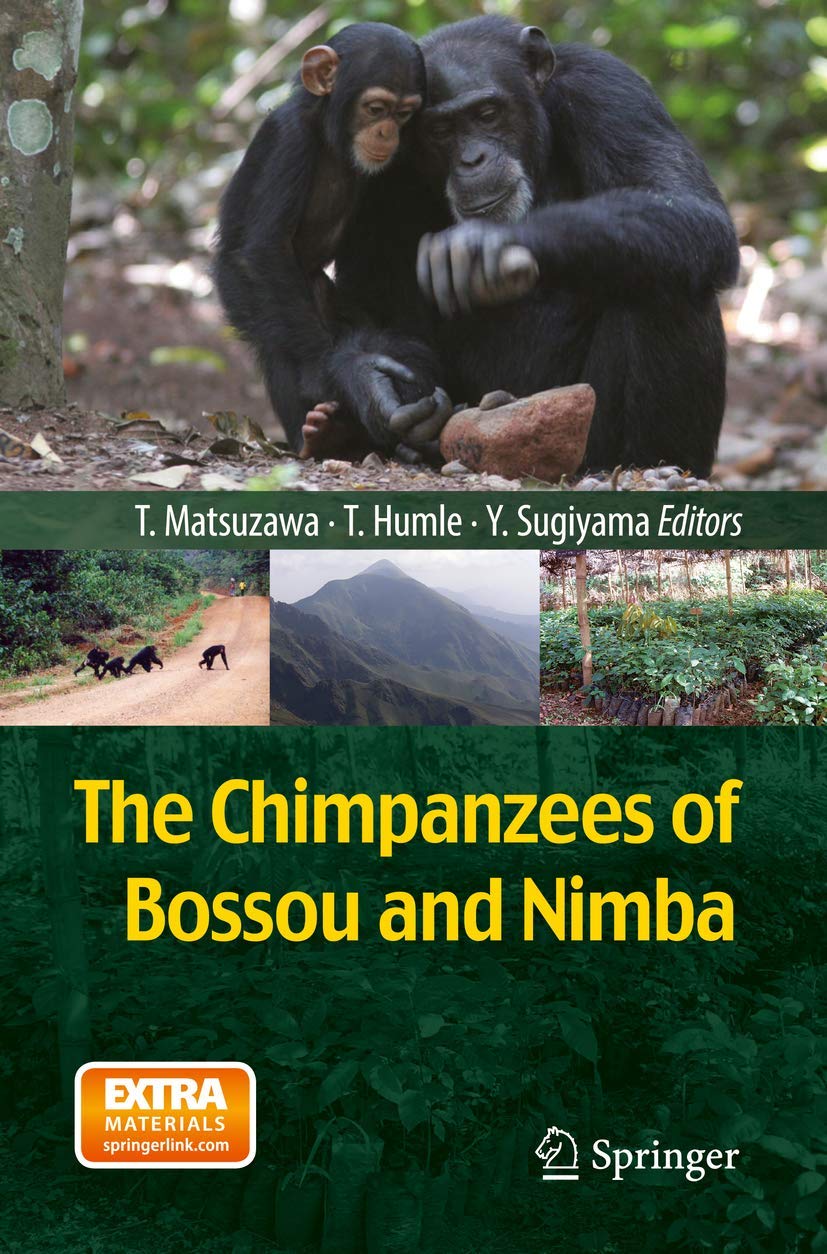
The Chimpanzees of Bossou and Nimba - Field Research
The Chimpanzees of Bossou and Nimba - Field Research
Price subject to change. Tap below for current.
Couldn't load pickup availability
In this review of The Chimpanzees of Bossou and Nimba, the focus is on readers who want a rigorous, field-based account of chimpanzee tool use and cultural behavior. The book compiles decades of research from Bossou, the Nimba Mountains and nearby forests, making it essential for primatologists, behavioral ecologists and serious students of animal culture. Its single biggest reason to buy is the sustained, primary research presented on stone tool use and perishable tools, giving direct insight into how wild Pan troglodytes verus adapt cognitively and technically to human coexistence.
Key Features
- Long-term field data: Presents more than three decades of continuous observations that reveal patterns in tool use and social learning.
- Tool-use focus: Documents chimpanzees flexible use of stones to crack nuts and perishable tools during foraging, providing detailed behavioral examples.
- Geographic breadth: Combines studies from Bossou, the Nimba Mountains and the forest of Diecke to show regional variation and context.
- Cultural primatology perspective: Highlights contributions to our understanding of chimpanzee culture, lithic technology and cognitive development.
- Edited compilation: Brings together work by multiple researchers to provide a cohesive overview of methods and findings across sites.
Who It's For
The Chimpanzees of Bossou and Nimba is best for graduate students, researchers and informed amateurs who want primary-source detail on wild chimpanzee behavior, especially those interested in tool use, cultural transmission and lithic technology. Academics preparing literature reviews or comparative studies will find the long-term datasets and case studies particularly valuable.
It is less suitable for casual readers seeking light narrative or a general-audience natural history; the compilation nature and research emphasis mean the text assumes some familiarity with primatological methods and terminology. Readers wanting a photo-driven coffee-table book should look elsewhere.
Pros & Cons
Pros
- Rich longitudinal data that illuminate behavioral trends over decades.
- Detailed treatment of stone tool use and perishable tool behavior that supports comparative work in animal cognition.
- Regional coverage that situates Bossou findings within the Nimba and Diecke contexts.
Cons
- The edited, research-heavy format can feel dense for non-specialist readers and lacks light narrative framing.
Specifications
| Title | The Chimpanzees of Bossou and Nimba |
| Authors / Editors | Tetsuro Matsuzawa, Tatyana Humle, Yukimaru Sugiyama |
| Subject | Behavioral primatology, tool use, cultural biology |
| Geographic focus | Bossou, Nimba Mountains, Diecke forest (Guinea, West Africa) |
| Primary species | Pan troglodytes verus (wild chimpanzees) |
| Research scope | More than three decades of field data and regional studies |
Our Verdict
The Chimpanzees of Bossou and Nimba is a valuable, research-driven volume for specialists and students who need detailed, long-term evidence on chimpanzee tool use and cultural variation. While its compilation style makes it a denser read, the depth of field data and multi-site perspective make it good value for anyone using it as a reference in behavioral ecology or primatology.
Frequently Asked Questions
Does this book focus on tool use?
Yes. The compilation emphasizes chimpanzees flexible use of stones to crack nuts and the use of perishable tools during foraging activities.
Is the research recent or long-term?
The volume draws on more than three decades of long-term research at Bossou and includes more recent studies from surrounding areas.
Who contributed to the book?
The work is compiled and presented by researchers including Tetsuro Matsuzawa, Tatyana Humle and Yukimaru Sugiyama, among others.
Editor's Take
The Chimpanzees of Bossou and Nimba is a research-driven volume ideal for specialists and students seeking long-term, field-based evidence on chimpanzee tool use and cultural variation; its depth and regional coverage make it strong reference value despite a dense, academic format.

Recently viewed
Recently viewed products will appear here as customers browse the store.