

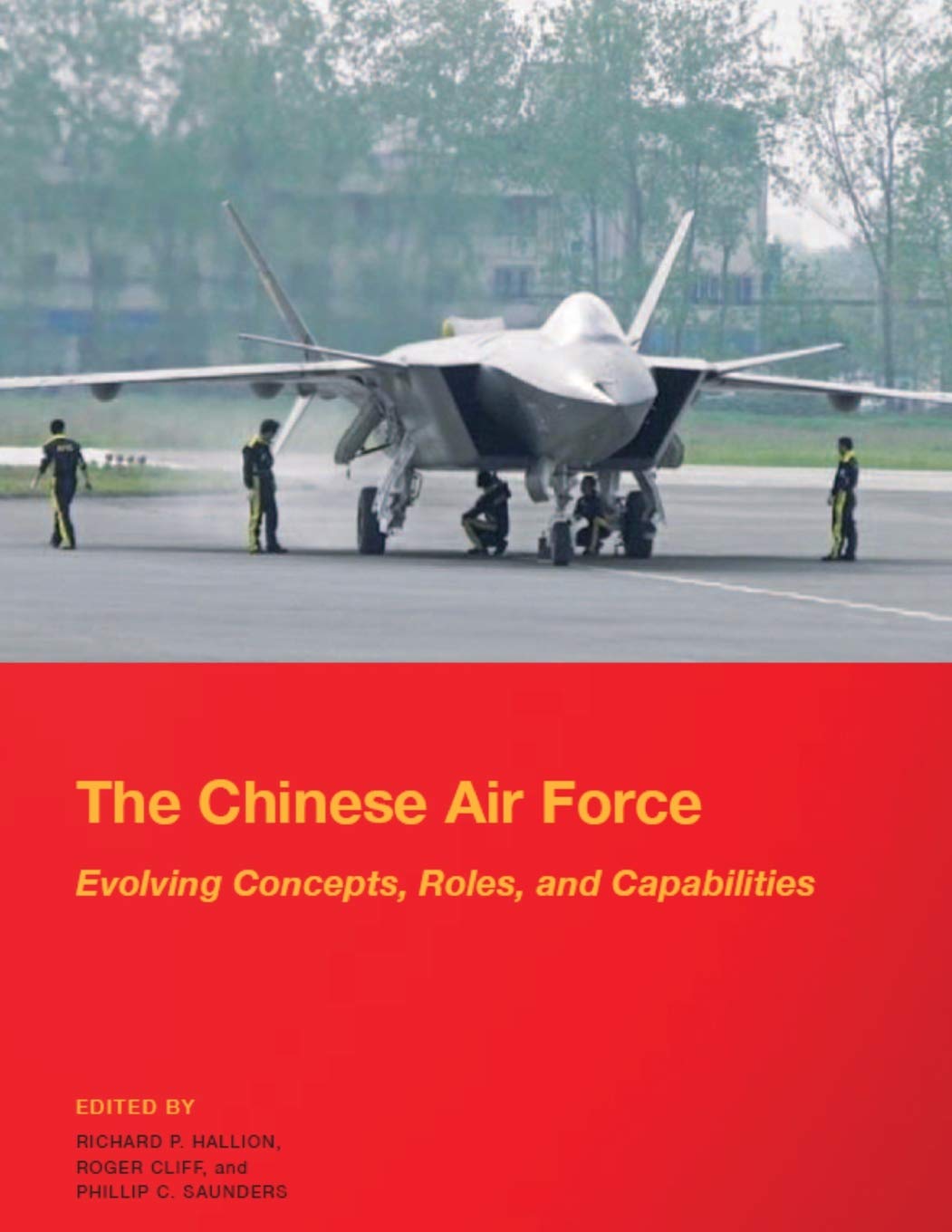
The Chinese Air Force - Evolving Concepts, Roles, and Capabilities
The Chinese Air Force - Evolving Concepts, Roles, and Capabilities
Price subject to change. Tap below for current.
Couldn't load pickup availability
Our review of The Chinese Air Force - Evolving Concepts, Roles, and Capabilities: August 2012 finds it best suited to readers who want an authoritative, multi-perspective study of the PLA Air Force rather than a brief overview. Contributors with deep experience and academic backgrounds compile a range of chapters that together explain where the Chinese Air Force has been, where it stands, and where it is headed. The singular reason to buy is the comprehensive, chapter-by-chapter treatment that ties doctrine, platform trends, and integrated air defenses into a coherent narrative valuable for historians, analysts, and serious aviation enthusiasts.
Key Features
- Comprehensive analysis: Multiple contributors provide detailed coverage of doctrine, historical development, and current force posture so readers gain a full picture of the PLA Air Force.
- Platform comparisons: The text contrasts aging western fighters such as F16A/B and Mirage 2000 with newer PRC types like the J10, J11, Su27, and Su30 to highlight capability shifts.
- Air defense context: Chapters explain how older SAM threats built around SA2 derivatives have been supplanted by systems such as the S300 and S400, clarifying regional air-defense evolution.
- Strategic perspective: The book connects equipment trends to changing roles and concepts inside the Chinese Air Force so readers can interpret future directions rather than just catalog platforms.
- Scholarly contributors: An extraordinary list of authors brings varied expertise, providing depth and credibility to technical and doctrinal discussions.
Who It's For
This volume is aimed at military historians, defense analysts, graduate students, and aviation professionals who need more than high-level summaries - it is for readers who expect sourced, chapter-level arguments about equipment, doctrine, and force structure. It suits those researching PLA modernization, air power evolution, or comparative regional capabilities.
Readers seeking a short primer, pictorial coffee-table book, or a buying guide for model aircraft should look elsewhere; this is a substantive, text-driven examination rather than a brief or heavily illustrated overview.
Pros & Cons
Pros
- Deep, multi-author coverage provides a comprehensive understanding of the Chinese Air Force's evolution.
- Clear discussion of platform shifts from older F16A/B and Mirage-era equipment to J10/J11 and Su-series aircraft illustrates capability change.
- Contextualized air-defense analysis explains the move from SA2-derivative systems to S300 and S400 threats.
Cons
- Because the book is specialized and detailed, casual readers or those wanting a quick overview may find it dense.
Specifications
| Title | The Chinese Air Force - Evolving Concepts, Roles, and Capabilities: August 2012 |
| Publisher / Brand | National Defense University |
| Focus | PLA Air Force doctrine, history, platforms, and air defenses |
| Key aircraft discussed | F16A/B, AIDC FCK1 Ching-Kuo, Mirage 2000, Su27, J10, J11, Su30 |
| Air defense systems noted | SA2 derivatives, S300 (SA10/20), S400 |
| Approach | Multi-contributor scholarly chapters |
Our Verdict
For serious students of military aviation and regional security, this is a valuable, well-documented volume that links platforms to doctrine and force development. It represents strong value for anyone needing in-depth, chapter-level analysis of the PLA Air Force as of 2012, though it is best read by those prepared for detailed, technical material.
Frequently Asked Questions
Does the book compare Chinese aircraft to western models?
Yes; the text contrasts older western types such as F16A/B and Mirage 2000 with newer PRC types like the J10, J11, Su27, and Su30 to show capability differences.
Does it cover air-defense systems?
The book explains the evolution from older SA2-derivative systems to modern S300 and S400 family systems and the implications for regional air operations.
Is this a general-audience book?
No; it is a detailed, scholarly collection of chapters intended for analysts, historians, and readers seeking in-depth treatment rather than a brief overview.
Editor's Take
This detailed, contributor-driven study links Chinese aircraft and air-defense evolution to doctrine and force development, making it a strong choice for analysts and military historians seeking in-depth understanding.

Recently viewed
Recently viewed products will appear here as customers browse the store.