

The Clinical Management of Early Alzheimer's Disease - Practical
The Clinical Management of Early Alzheimer's Disease - Practical
Price subject to change. Tap below for current.
Couldn't load pickup availability
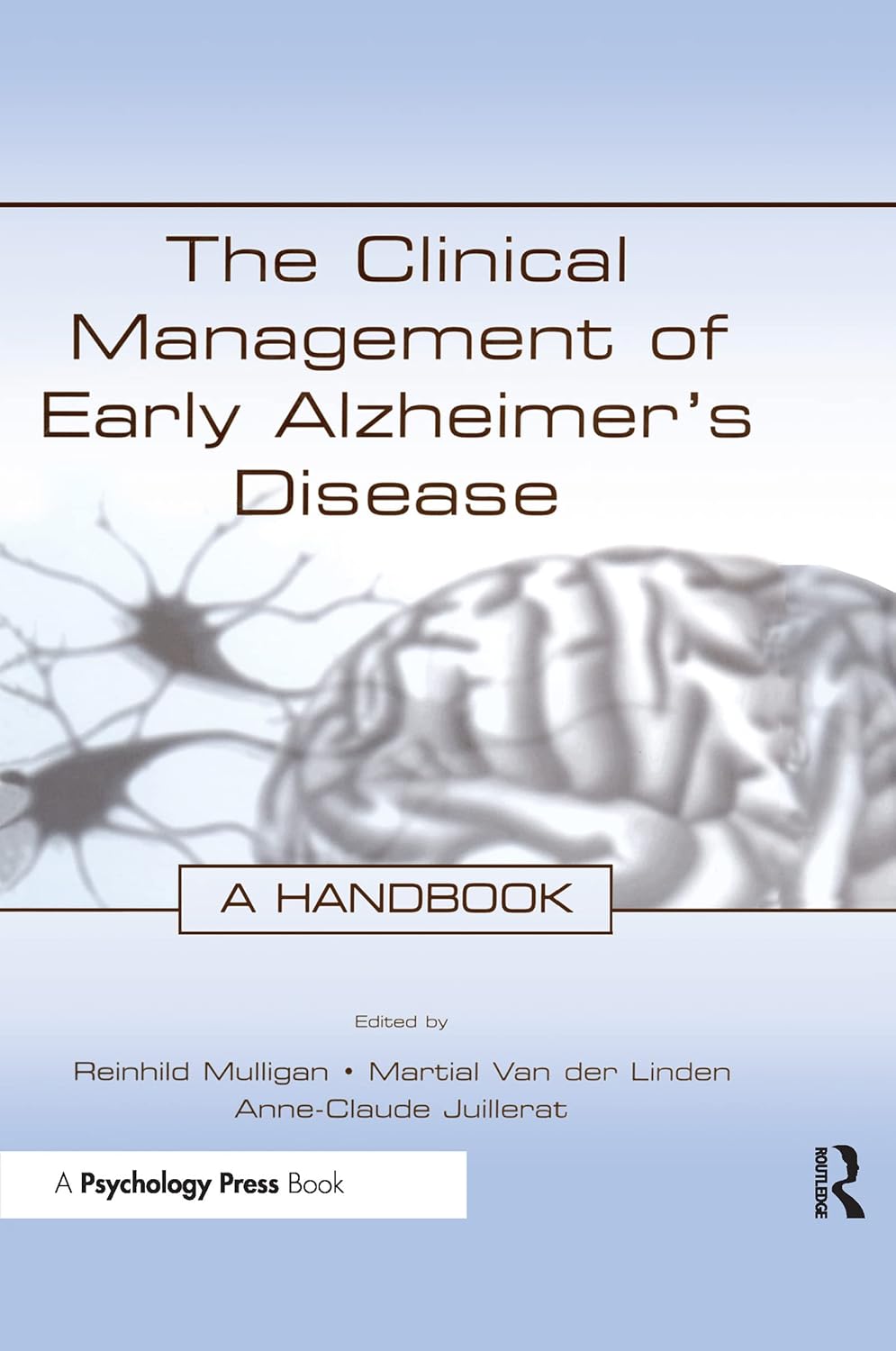
In this review of The Clinical Management of Early Alzheimer's Disease the authors offer a focused, clinically oriented handbook aimed at professionals and families dealing with the initial stages of cognitive decline. The book's single biggest reason to read it is its comprehensive treatment of early-stage issues by contributors from multiple disciplines, which makes it useful for clinicians who need evidence-informed approaches and for caregivers seeking clearer guidance on recognition, diagnosis and day-to-day management. The tone is practical rather than theoretical and the volume emphasizes actionable implications of recent research.
Key Features
- Comprehensive overview: Brings together leading authors to cover a wide range of early-stage management topics so readers get a single reference for varied perspectives.
- Focus on early recognition: Summarizes implications of recent research for the recognition and formal diagnosis of early cognitive decline to help clinicians make timely assessments.
- Multidisciplinary contributions: Includes perspectives from neuroscience, clinical practice and counseling to inform both medical and psychosocial approaches.
- Practical management guidance: Emphasizes strategies for supporting patients who are still living independently or with family, helping caregivers plan realistic interventions.
- Evidence-informed discussion: Connects current research findings to real-world clinical decisions so readers can apply new knowledge in practice.
Who It's For
The book is primarily aimed at clinicians, neuropsychologists, psychiatrists and allied health professionals who consult on patients with mild cognitive impairment or early Alzheimer's disease and need a concise, practice-focused reference. It is also useful to advanced trainees and researchers looking for an interdisciplinary summary of management issues.
Family caregivers and case managers will find the chapters on daily living and communication helpful, but readers seeking a step-by-step caregiving manual or a popular, nontechnical overview may prefer a book written specifically for lay audiences. This handbook assumes some clinical familiarity with diagnostic and therapeutic concepts.
Pros & Cons
Pros
- Wide-ranging, multidisciplinary content useful for clinical decision-making.
- Clear focus on early recognition and formal diagnosis aids timely intervention.
- Practical sections that link research findings to management strategies for independently living patients.
Cons
- Not a beginner's primer for lay readers; it presumes clinical background.
Specifications
| Title | The Clinical Management of Early Alzheimer's Disease |
| Authors / Brand | Reinhild Mulligan, Martial Van der Linden, Anne-Claude Juillerat |
| Scope | Management of early-stage cognitive decline and Alzheimer-related issues |
| Audience | Clinicians, neuropsychologists, allied health professionals and advanced trainees |
| Approach | Multidisciplinary, research-informed practical guidance |
| Main focus | Recognition, formal diagnosis and day-to-day management of early-stage problems |
Our Verdict
The Clinical Management of Early Alzheimer's Disease is a valuable, practical handbook for professionals working with patients in the earliest phases of cognitive decline. Its multidisciplinary, research-connected chapters make it good value for clinicians seeking actionable guidance on recognition, diagnosis and management, though nonclinical readers may find the material assumes professional background.
Frequently Asked Questions
Does this book cover diagnosis of early Alzheimer's?
Yes. The authors summarize the implications of recent research for the recognition and formal diagnosis of early cognitive decline.
Is the handbook suitable for family caregivers?
It contains useful practical guidance for caregivers, but it is written with a clinical audience in mind and assumes some professional familiarity.
What is the book's perspective?
The volume takes a multidisciplinary, evidence-informed approach focused on management of patients who often remain independent or live with family.
Editor's Take
A practical, multidisciplinary handbook for clinicians addressing recognition, diagnosis and management of early-stage Alzheimer's; valuable for professionals but not a beginner's caregiver primer.

Recently viewed
Recently viewed products will appear here as customers browse the store.