

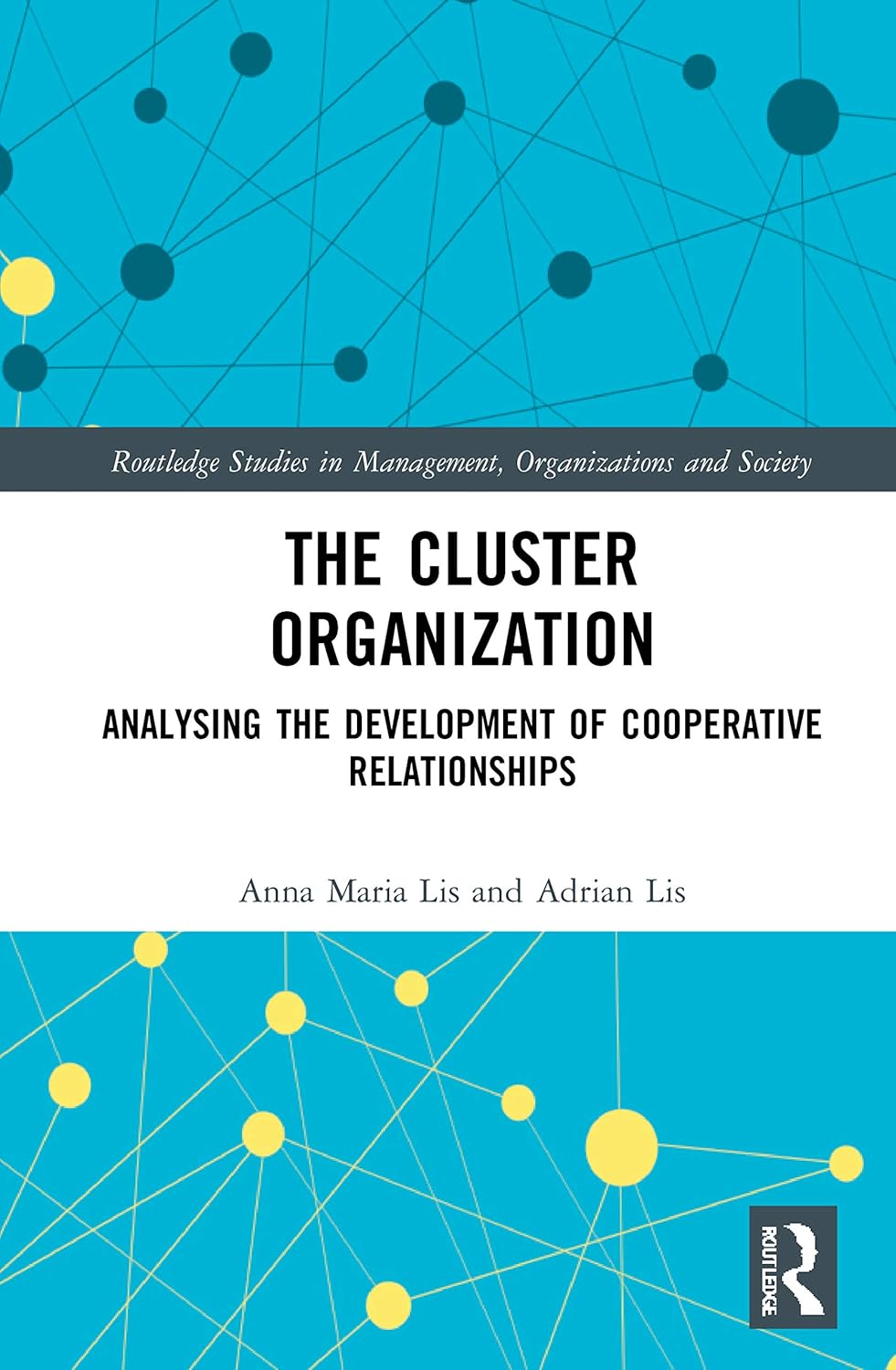
The Cluster Organization: Analyzing the Development of Cooperative
The Cluster Organization: Analyzing the Development of Cooperative
Price subject to change. Tap below for current.
Couldn't load pickup availability
In this review of The Cluster Organization: Analyzing the Development of Cooperative Relationships, the book is presented as a focused academic resource for researchers, policy makers, and cluster managers who need a deeper understanding of how cooperation forms and evolves within cluster initiatives. The single biggest reason to consider this volume is its concentrated effort to fill cognitive and research gaps around cooperation dynamics, offering a theoretical trajectory and methodological insights that are directly applicable to studying and strengthening cluster organizations.
Key Features
- Epistemological focus: Explains the knowledge foundations behind cluster cooperation to help readers interpret why certain collaborative patterns emerge.
- Theoretical concept: Introduces a new theoretical trajectory for the development of cooperative relationships, which guides analytical thinking and future research design.
- Methodological guidance: Provides methodological elements that support rigorous study of cooperation processes within cluster organizations.
- Application-oriented: Connects theory and method to real-world cluster policy challenges so practitioners can translate findings into practical interventions.
- Covers global relevance: Discusses cluster development in both developing and developed countries, making the insights useful across varied economic contexts.
Who It's For
The book is best suited for academics in management, economic geography, and organizational studies who require a concentrated treatment of cooperation mechanisms in clusters, as well as graduate students seeking a researchable framework. It is also valuable to policy analysts and cluster initiative leaders who want a conceptual basis for designing or diagnosing cooperative strategies.
Readers looking for a practitioner handbook with step-by-step implementation templates or a general introductory overview of clusters may find this volume too focused on theory and research gaps; those audiences should consider more practice-driven titles instead.
Pros & Cons
Pros
- Provides a clear theoretical contribution that helps frame empirical studies of cooperative relationships.
- Bridges epistemological and methodological perspectives, supporting scholarly rigor.
- Addresses both developed and developing country contexts, widening its applicability.
Cons
- Not a how-to manual for immediate practical implementation; emphasis is on theory and research.
- The focused academic tone may be dense for non-specialist managers seeking quick solutions.
Specifications
| Title | The Cluster Organization: Analyzing the Development of Cooperative Relationships |
| Series | Routledge Studies in Management, Organizations and Society |
| Authors | Anna Maria Lis, Adrian Lis |
| Subject focus | Cooperation development in cluster organizations |
| Geographic scope | Developing and developed countries |
| Content emphasis | Epistemological, methodological and application aspects |
Our Verdict
The Cluster Organization is a worthwhile purchase for scholars and policy practitioners who need a rigorous conceptual and methodological basis for studying cluster cooperation. Its theoretical trajectory and attention to research gaps make it good value for anyone aiming to design studies or policy interventions that strengthen collaborative networks within clusters.
Frequently Asked Questions
Is this book practical for cluster managers?
It offers application-oriented discussion but is primarily academic; managers will gain conceptual frameworks rather than step-by-step tools.
Does it cover international contexts?
Yes, the book discusses cluster development in both developing and developed countries, broadening its relevance.
Who wrote the book?
The authors are Anna Maria Lis and Adrian Lis, contributing to the Routledge series on management and organizations.
Editor's Take
The Cluster Organization is a rigorous, research-focused book that offers a useful theoretical trajectory and methodological guidance for scholars and policy makers studying cooperation in cluster organizations; it is less suited to readers seeking step-by-step practical tools.

Recently viewed
Recently viewed products will appear here as customers browse the store.