

The Condition of Chinese Architecture - Critical and Context
The Condition of Chinese Architecture - Critical and Context
Price subject to change. Tap below for current.
Couldn't load pickup availability
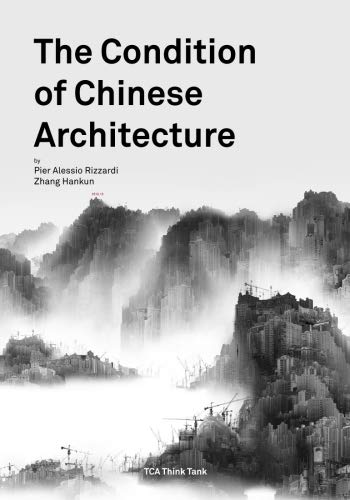
In this review of The Condition of Chinese Architecture the authors present a layered, research-driven account of contemporary practice in China; the book is aimed at architects, students, and readers who want a critical historical and political frame for modern Chinese built work. The single biggest reason to buy is its cumulative perspective: interviews, historical context and cross-disciplinary essays together explain how 1% of the world's architects design half the country's buildings under constrained profit conditions, making it a focused resource for understanding the forces that shape construction and design in China today.
Key Features
- Historical scope: Traces Chinese architectural evolution from first contacts with the West in 1582 to the present, giving readers long-range context for contemporary practice.
- Primary reporting: Includes interviews with critical voices in Chinese architecture, providing first-hand accounts of how design decisions are made now.
- Cross-disciplinary approach: Draws on architecture, aesthetics, philosophy, politics and society so readers see design embedded in broader forces.
- Real-world framing: Documents the economic reality that a small share of architects produce a vast share of built work, clarifying professional constraints.
- Edited collective authorship: Multiple contributors bring varied perspectives, making the book useful for classroom discussion and professional reflection.
Who It's For
The Condition of Chinese Architecture is best for architecture students, researchers, and practicing architects who need a critical, documented account of how scale, policy and profit influence design in China. Read it if you want a text that links interviews and historical research to present-day practice and policy.
Those looking for a technical pattern book, step-by-step construction guidance, or lavish photography of individual projects should look elsewhere; this book is analytical and discursive rather than a pictorial catalogue or how-to manual.
Pros & Cons
Pros
- Rich historical framing helps readers understand continuity from the 16th century to modern practice.
- Interview-based reporting gives readable, grounded insight into contemporary professional constraints.
- Interdisciplinary essays connect architectural decisions to political and social conditions, broadening the book's relevance.
Cons
- The book's emphasis on theory and critique means it is less useful for readers seeking technical construction details or design templates.
Specifications
| Title | The Condition of Chinese Architecture |
| Authors / Editors | Pier Alessio Rizzardi, Hankun Zhang, Li Xiangning, Rory Stott, Xue Q. L. Charlie, Harry den Hartog |
| Publisher / Project | 2018 TCA Think Tank |
| Focus | History, critique, interviews and contemporary practice in China |
| Scope | Historical overview from 1582 and analysis of current practice |
| Key theme | Economic and social conditions shaping architecture in China |
Our Verdict
The Condition of Chinese Architecture is a valuable, context-rich book for anyone seeking to understand how historical contact, policy and economics shape contemporary Chinese building practice; its mix of interviews and cross-disciplinary research makes it particularly good value for students and professionals who need critical frameworks rather than technical manuals.
Frequently Asked Questions
Does this book include interviews with contemporary Chinese architects?
Yes. The book reports interviews with critical voices in contemporary Chinese architecture to ground its analysis.
Is this a pictorial architecture book?
No. The book is primarily analytical and historical rather than a photo-heavy project catalogue.
What time span does the book cover?
It traces architectural evolution from the first Western contacts in 1582 through to contemporary practice and debate.
Editor's Take
A research-driven, interview-based book that explains how historical contact, policy and economics shape contemporary Chinese architecture; ideal for students and professionals seeking critical context.

Recently viewed
Recently viewed products will appear here as customers browse the store.