

The Dancer's Voice: Performance and Womanhood in Transnational India
The Dancer's Voice: Performance and Womanhood in Transnational India
Price subject to change. Tap below for current.
Couldn't load pickup availability
In this review of The Dancer's Voice Rumya Sree Putcha offers a clear-eyed study for readers interested in performance studies, gender, and South Asian transnational cultures. The book's biggest reason to buy is its rigorous linkage of the Indian classical dancer's public persona to broader social structures: caste, Hindu ethnonationalism, and global racial narratives. Putcha grounds arguments in diverse sources and personal archives, making the book valuable for scholars and thoughtful readers who want a textured account of how choreography, image and law shape women's citizenship and representation.
Key Features
- Theoretical framing: Putcha connects performance to politics, showing how the dancer's public persona supports caste hierarchies and ethnonationalist narratives.
- Transnational perspective: The book traces how generations of Indian women embody an archetype popularized across film cultures from the 1930s to today.
- Interdisciplinary sources: Analysis draws on films, immigration and marriage laws, advertising, and histories of caste and race to build a layered argument.
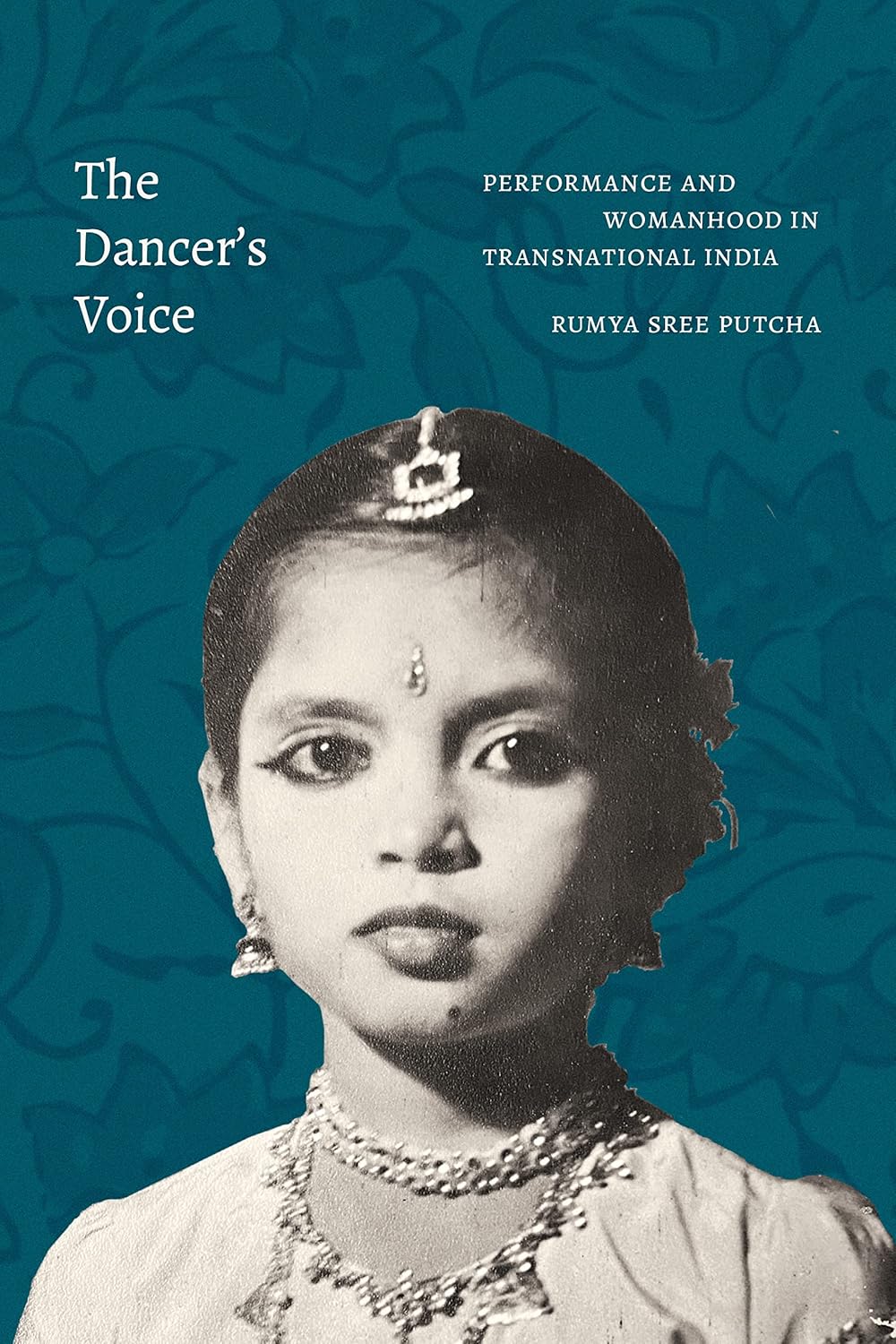
- Personal material: Use of the author's family heirlooms, photographs and memories adds intimate evidence that complements archival and legal sources.
- Critical cultural lens: The author examines how global imaginaries, including white supremacist model minority narratives, shape perceptions of Indian womanhood.
Who It's For
The Dancer's Voice is aimed at scholars and students in performance studies, ethnomusicology, gender studies, and South Asian studies, as well as informed readers who want a critical cultural history of how embodied art becomes a national and transnational symbol. Readers who appreciate interdisciplinary work will find the mixture of film analysis, legal history and personal archive compelling.
Those seeking a practical how-to guide to dance technique or a celebratory history of classical forms without critique should look elsewhere; the book is analytic and political rather than a manual or an introductory overview of dance technique.
Pros & Cons
Pros
- Provides a rigorous connection between performance and socioeconomic power, helping readers see dance as more than aesthetic practice.
- The transnational scope offers fresh insights into how film and migration shape national imaginaries across decades.
- Combines academic research with personal family materials, giving arguments emotional and evidentiary depth.
Cons
- The book is analytic and scholarly in tone, which may be dense for casual readers seeking lighter cultural narratives.
Specifications
| Title | The Dancer's Voice: Performance and Womanhood in Transnational India |
| Author | Rumya Sree Putcha |
| Scope | Performance studies, gender, caste, race, transnational culture |
| Sources | Films, laws, advertising, family heirlooms, photographs, memories |
| Historical range | Film cultures from the 1930s to the present |
| Main argument | Dancer persona represents India globally and reinforces social hierarchies |
Our Verdict
The Dancer's Voice is a thoughtful and well-documented book for readers who want to understand how embodied performance becomes entangled with politics and identity. Scholars and serious readers of cultural studies will find excellent value in Putcha's interdisciplinary evidence and personal archives, while those seeking a lighter or purely celebratory dance history should consider other titles.
Frequently Asked Questions
Does the book focus on a single dance form?
Answer. The study centers on the public persona of the Indian classical dancer broadly rather than a single technical tradition, using film and cultural examples across decades.
Is the book accessible to nonacademic readers?
Answer. It is written in an academic register with theoretical framing, though readers comfortable with critical cultural analysis will find it rewarding.
What types of sources does Putcha use?
Answer. Putcha draws on films, immigration and marriage laws, advertising, caste and race histories, and personal family heirlooms and photographs.
Editor's Take
The Dancer's Voice is a thoughtful interdisciplinary study showing how the Indian classical dancer's public persona reinforces caste and ethnonational narratives; ideal for scholars and readers of cultural studies.

Recently viewed
Recently viewed products will appear here as customers browse the store.