Regular price
$190.00 USD
Price subject to change. Tap below for current.
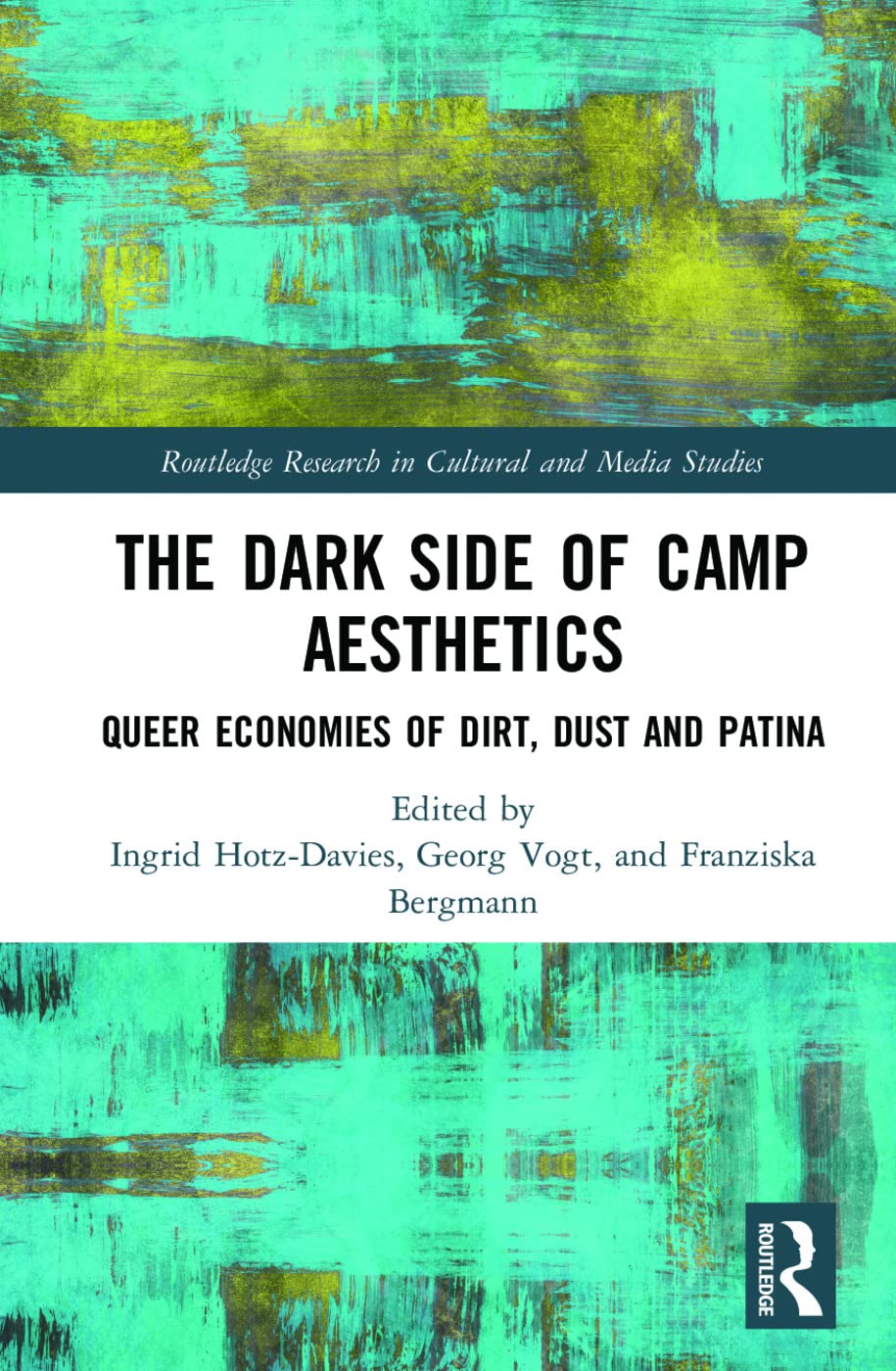
The Dark Side of Camp Aesthetics offers a profound exploration into the complexities of camp culture, challenging traditional notions and presenting a nuanced understanding of its implications. This book delves into the multifaceted nature of camp aesthetics, revealing how it intertwines with various cultural narratives.
Edited by Franziska Bergmann, Ingrid Hotz-Davies, and Georg Vogt, this collection of essays provides critical insights into the cultural significance of camp. Each chapter presents a unique perspective, making it an essential read for scholars and enthusiasts alike. The authors dissect the layers of meaning behind camp, examining its role in shaping identities and cultural expressions.
One of the standout features of this book is its ability to connect camp aesthetics with broader societal issues. The essays highlight how camp can serve as a form of resistance, a way to challenge dominant cultural norms. This aspect is particularly relevant in today's sociopolitical climate, where camp culture often intersects with activism and social justice movements.
Throughout the text, readers will encounter a diverse range of topics, from the historical roots of camp to its contemporary manifestations in media and art. The authors skillfully navigate these themes, ensuring that the discussion remains engaging and thought-provoking. The inclusion of various case studies further enriches the reader's understanding of the evolution of camp aesthetics.
Moreover, the book does not shy away from addressing the darker aspects of camp. It critically examines how camp can sometimes perpetuate stereotypes or reinforce problematic narratives. This critical lens is essential for anyone looking to grasp the full scope of camp's cultural impact and its potential pitfalls.
The Dark Side of Camp Aesthetics is not just an academic text; it is a call to action for readers to engage with camp in a more informed and critical manner. By highlighting both the celebratory and the problematic elements of camp, the authors encourage a deeper reflection on what camp means in various contexts.
In conclusion, this book is a vital contribution to the field of cultural studies. It challenges readers to reconsider their perceptions of camp and its role in society. Whether you are a seasoned scholar or a curious newcomer, The Dark Side of Camp Aesthetics promises to be an enlightening read that will expand your understanding of camp culture and its implications.