

The Decolonization Reader - Essential Comparative History
The Decolonization Reader - Essential Comparative History
Price subject to change. Tap below for current.
Couldn't load pickup availability
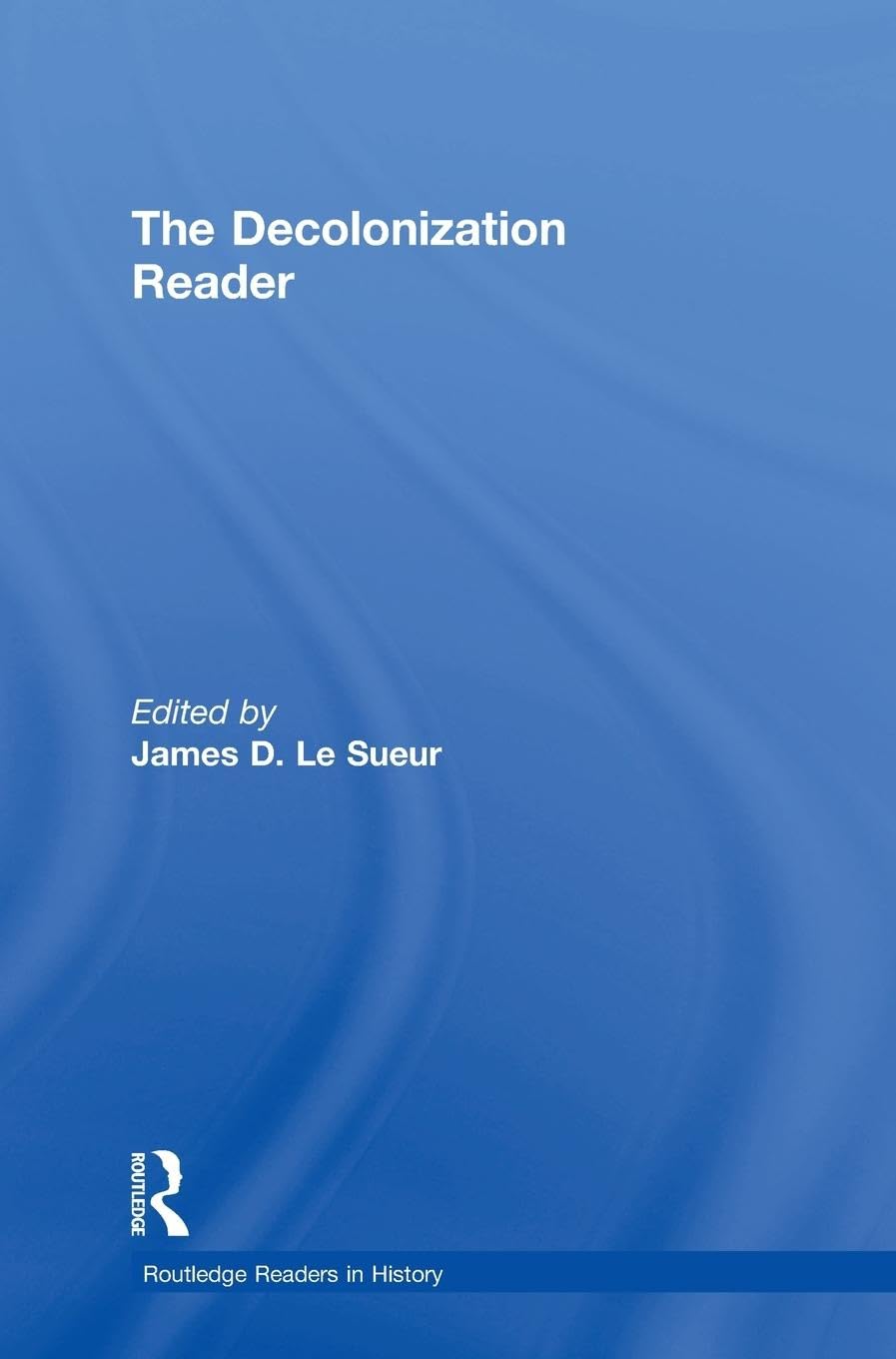
Our review of The Decolonization Reader finds it best suited for graduate students, instructors, and researchers seeking a compact, interdisciplinary survey of postwar decolonization. Grouped around core themes, this compilation offers a clear comparative frame that helps readers connect metropolitan politics, gender, race and economy across different regions. If the single biggest reason to buy is a desire for a course-ready, thematic entry point into decolonization studies, this volume delivers readable selections and scholarly framing that make complex historical processes accessible without sacrificing analytical depth.
Key Features
- Thematic structure: Grouping essays by subjects such as nationalism, gender and metropolitan politics lets readers see comparative patterns across different colonial contexts.
- Interdisciplinary perspective: The collection blends political, cultural and economic approaches so readers gain multiple angles on decolonization rather than a single narrative.
- Scholarly synthesis: Chapters provide concise assessments that orient students to debates and primary issues useful for seminars and research bibliographies.
- Accessible framing: The editorial selection emphasizes readable discussions that introduce complex arguments without dense specialist jargon.
- Focus on legacy: The book highlights how decolonization shaped postcolonial politics and cultural life, connecting historical events to ongoing global issues.
Who It's For
The Decolonization Reader is ideal for advanced undergraduates, graduate students and instructors designing a module on decolonization or postcolonial studies; its curated essays and comparative framing work well as assigned readings and discussion starters. Researchers seeking an accessible synthesis of major debates will find the volume helpful as a starting point for cross-regional comparisons.
Readers looking for a single-author monograph with deep archival narrative or very detailed case studies should look elsewhere; this reader is strongest as a thematic compilation rather than an exhaustive history of any one colony or metropole.
Pros & Cons
Pros
- Provides an organized, thematic introduction that clarifies major debates in decolonization studies.
- Useful for classroom use because essays are grouped to support seminar discussion and comparative analysis.
- Balances political, cultural and economic perspectives, offering an interdisciplinary understanding of change and legacy.
Cons
- As a reader, it does not replace deep single-case studies or extensive archival monographs for specialists.
Specifications
| Title | The Decolonization Reader (Routledge Readers in History) |
| Editor / Author | James D. Le Sueur |
| Subject focus | Decolonization; nationalism; metropolitan politics; gender; race; economy |
| Approach | Comparative and interdisciplinary essay compilation |
| Intended audience | Students, instructors, scholars of history and political science |
| Publisher series | Routledge Readers in History |
Our Verdict
The Decolonization Reader is a strong, cost-effective choice for courses and researchers who need a thematic, interdisciplinary overview of decolonization and its legacies. Its curated essays illuminate metropolitan and colonial connections and provide a solid foundation for further reading, making it a worthwhile purchase for anyone teaching or studying postwar imperial transformations.
Frequently Asked Questions
Is this book suitable for undergraduate courses?
Yes. Its thematic organization and readable essays make it well suited for advanced undergraduate and undergraduate module reading lists.
Does it cover specific colonies in depth?
No. The volume emphasizes comparative themes and scholarly synthesis rather than in-depth single-case archival studies.
Will this help with research bibliographies?
Yes. The essays and editorial framing orient readers to major debates and point toward primary sources and further scholarship useful for research.
Editor's Take
The Decolonization Reader is a thematic, interdisciplinary compilation well suited for courses and researchers seeking a comparative introduction to decolonization; it offers readable essays and useful framing though it is not a substitute for single-case archival studies.

Recently viewed
Recently viewed products will appear here as customers browse the store.