

The Diagnosis of Reading in a Second or Foreign Language - Classroom
The Diagnosis of Reading in a Second or Foreign Language - Classroom
Price subject to change. Tap below for current.
Couldn't load pickup availability
In this review of The Diagnosis of Reading in a Second or Foreign Language the bottom line is simple: this is a focused, research-informed resource for teachers and researchers who need practical insight into diagnosing reading development in second and foreign language settings. The book links recent assessment research to classroom practice, offering a clear rationale for diagnostic approaches rather than simple testing; that makes it especially useful for applied linguists, language assessment specialists, and teacher-educators seeking evidence-based guidance.
Key Features
- Research-driven analysis: The volume synthesizes recent findings in language assessment to show how diagnosis can inform classroom instruction in reading.
- Classroom applicability: Chapters connect diagnostic principles directly to everyday teaching practice so teachers can adapt assessment-informed strategies.
- Focus on development: The book examines stages of second and foreign language reading development to help educators identify where learners need support.
- Implications for future research: Contributors highlight gaps and directions for further study, useful for graduate students and researchers planning projects.
- Interdisciplinary perspective: With contributions framed for applied linguistics, second language acquisition, and language assessment, the book bridges multiple fields.
Who It's For
The Diagnosis of Reading in a Second or Foreign Language is aimed at applied linguists, assessment specialists, and teacher-educators who want a rigorous, research-informed framework for diagnosing reading skills in L2 classrooms. It suits postgraduate students and researchers looking for literature that links theoretical findings to classroom implications.
Teachers in everyday K-12 or adult education contexts will find useful ideas, though those seeking step-by-step lesson plans or quick classroom activities may need to supplement this book with more practice-focused manuals.
Pros & Cons
Pros
- Grounded in contemporary language assessment research, offering credible theoretical backing for classroom diagnosis.
- Practical orientation that translates research insights into implications for teaching reading in a second or foreign language.
- Broad appeal across applied linguistics, second language acquisition, and language assessment communities.
Cons
- Not a how-to manual for day-to-day lesson planning, so teachers seeking ready-to-use activities may need additional resources.
Specifications
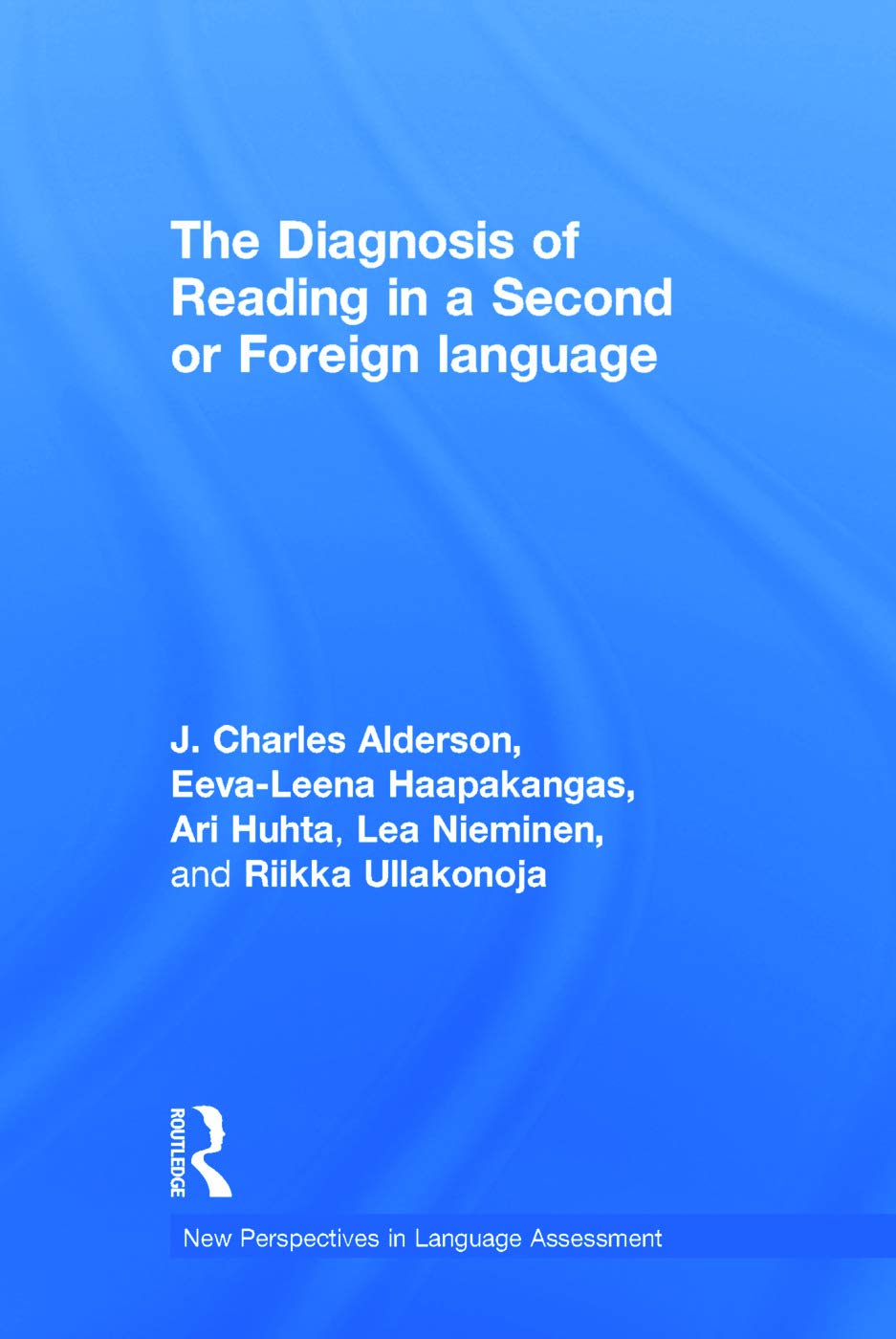
| Title | The Diagnosis of Reading in a Second or Foreign Language |
| Series | New Perspectives on Language Assessment |
| Authors / Editors | J. Charles Alderson, Eeva-Leena Haapakangas, Ari Huhta, Lea Nieminen, Riikka Ullakonoja |
| Subject areas | Applied linguistics; language assessment; second language acquisition |
| Primary focus | Diagnosis of reading in second and foreign languages |
| Intended audience | Researchers, teacher-educators, postgraduate students |
Our Verdict
The Diagnosis of Reading in a Second or Foreign Language is a worthwhile purchase for researchers and teacher-educators who need a research-grounded approach to diagnosing L2 reading. It delivers strong connections between assessment research and classroom implications, making it good value for those focused on informed instructional decision-making, though classroom teachers seeking ready-made activities will want supplementary materials.
Frequently Asked Questions
Does this book focus on classroom practice?
Yes; while research-focused, many chapters explicitly draw implications for classroom-based assessment and teaching of reading.
Who contributed to this volume?
The book includes work by J. Charles Alderson, Eeva-Leena Haapakangas, Ari Huhta, Lea Nieminen, and Riikka Ullakonoja, among others in the field.
Is it suitable for novice teachers?
It is most useful for teachers with some background in language teaching or assessment; novices may find the research emphasis dense without additional practical guides.
Editor's Take
A research-grounded resource for researchers and teacher-educators, this book links language assessment findings to classroom diagnosis of L2 reading and is good value for informed instructional use.

Recently viewed
Recently viewed products will appear here as customers browse the store.