

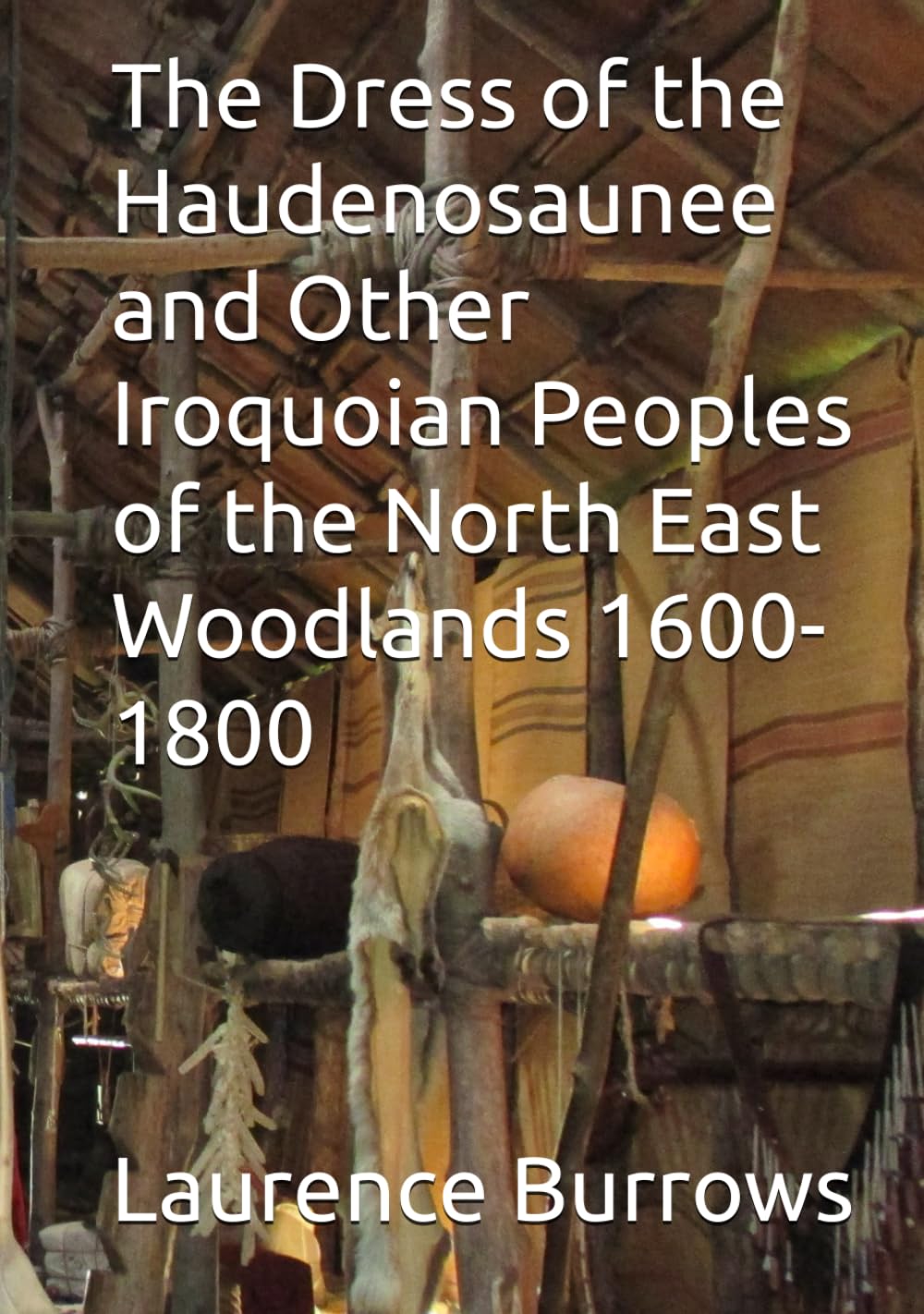
The Dress of the Haudenosaunee and Other Iroquoian Peoples 1600-1800
The Dress of the Haudenosaunee and Other Iroquoian Peoples 1600-1800
Price subject to change. Tap below for current.
Couldn't load pickup availability
In this review of The Dress of the Haudenosaunee and Other Iroquoian Peoples 1600-1800 the reviewer finds a careful, scholarly look at clothing, hairstyles and accoutrements that shaped identity across the northeast woodlands. Written for readers who want context rather than a catalog, the book's single biggest reason to buy is its emphasis on how dress communicated clan ties, social relationships and spiritual connections during the 17th and 18th centuries. The prose balances descriptive anthropology with historical detail to make material culture meaningful to artists, designers and historians alike.
Key Features
- Ethnographic focus: Detailed descriptions of clothing and hairstyles reveal how appearance signaled belonging to a community and clan, helping readers understand social meaning behind garments.
- Temporal scope: Coverage of the 17th and 18th centuries tracks changes in materials and fashion as Iroquoian peoples met and adapted to European contact.
- Cultural breadth: Discussion includes Haudenosaunee, Wendat (Huron) and other Iroquoian-speaking groups, offering comparative perspective across the northeast woodlands.
- Material culture emphasis: Attention to accoutrements and adornment shows how objects related to spiritual and natural worlds, useful for researchers and makers studying symbolism.
- Continuity to present: Notes on how cultural identity and values persisted beyond the 18th century help connect historical dress to contemporary traditions.
Who It's For
The book is well suited to academics, graduate students and museum professionals seeking a focused examination of Iroquoian dress and social meaning; it is also valuable to fashion historians and designers looking for historically grounded inspiration. Artists and reenactors who need culturally informed descriptions of garments and hairstyles will find the material useful for research and practice.
This is less appropriate for readers expecting a lavish picture book or a quick field guide; the emphasis is on interpretation and historical change rather than exhaustive photographic plates or pattern instructions. Casual readers without patience for descriptive historical prose may prefer a more general introduction elsewhere.
Pros & Cons
Pros
- Clear explanation of how dress expressed community, clan and spiritual relationships, adding depth to visual descriptions.
- Chronological account of changes from 1600 to 1800 that shows adaptation during contact with Europeans.
- Inclusion of multiple Iroquoian-speaking groups provides comparative context across the northeast woodlands.
Cons
- Not a pictorial catalog; readers seeking extensive plates or patterns may find the visual material limited.
Specifications
| Title | The Dress of the Haudenosaunee and Other Iroquoian Peoples of the North East Woodlands 1600-1800 |
| Author / Brand | Laurence Burrows |
| Geographic focus | Northeast woodlands of North America |
| Peoples covered | Haudenosaunee, Wendat (Huron) and other Iroquoian-speaking groups |
| Time period | 17th and 18th centuries (1600-1800) |
| Subject emphasis | Clothing, hairstyles, accoutrements, material culture and social meaning |
Our Verdict
The Dress of the Haudenosaunee and Other Iroquoian Peoples 1600-1800 is a solid, focused resource for scholars, museum staff and designers who need historically grounded interpretation of Iroquoian dress. Its value lies in explaining how appearance communicated belonging and continuity during a period of change, making it worth acquiring for research libraries or anyone seeking a contextual study rather than a visual catalogue.
Frequently Asked Questions
Does the book cover multiple Iroquoian groups?
Yes, it discusses Haudenosaunee, Wendat (Huron) and other Iroquoian-speaking peoples across the northeast woodlands.
Is this a heavily illustrated volume?
The focus is interpretive and descriptive; readers should not expect an exhaustive photographic plate volume or pattern book.
Does it address European contact?
Yes, the review notes the book traces changes in materials and fashion as Iroquoians met and adapted to Europeans between 1600 and 1800.
Editor's Take
A focused, scholarly resource that explains how dress expressed clan, community and spiritual ties among Haudenosaunee and other Iroquoian peoples between 1600 and 1800; recommended for researchers and museum professionals who need contextual interpretation rather than a pictorial catalogue.

Recently viewed
Recently viewed products will appear here as customers browse the store.