

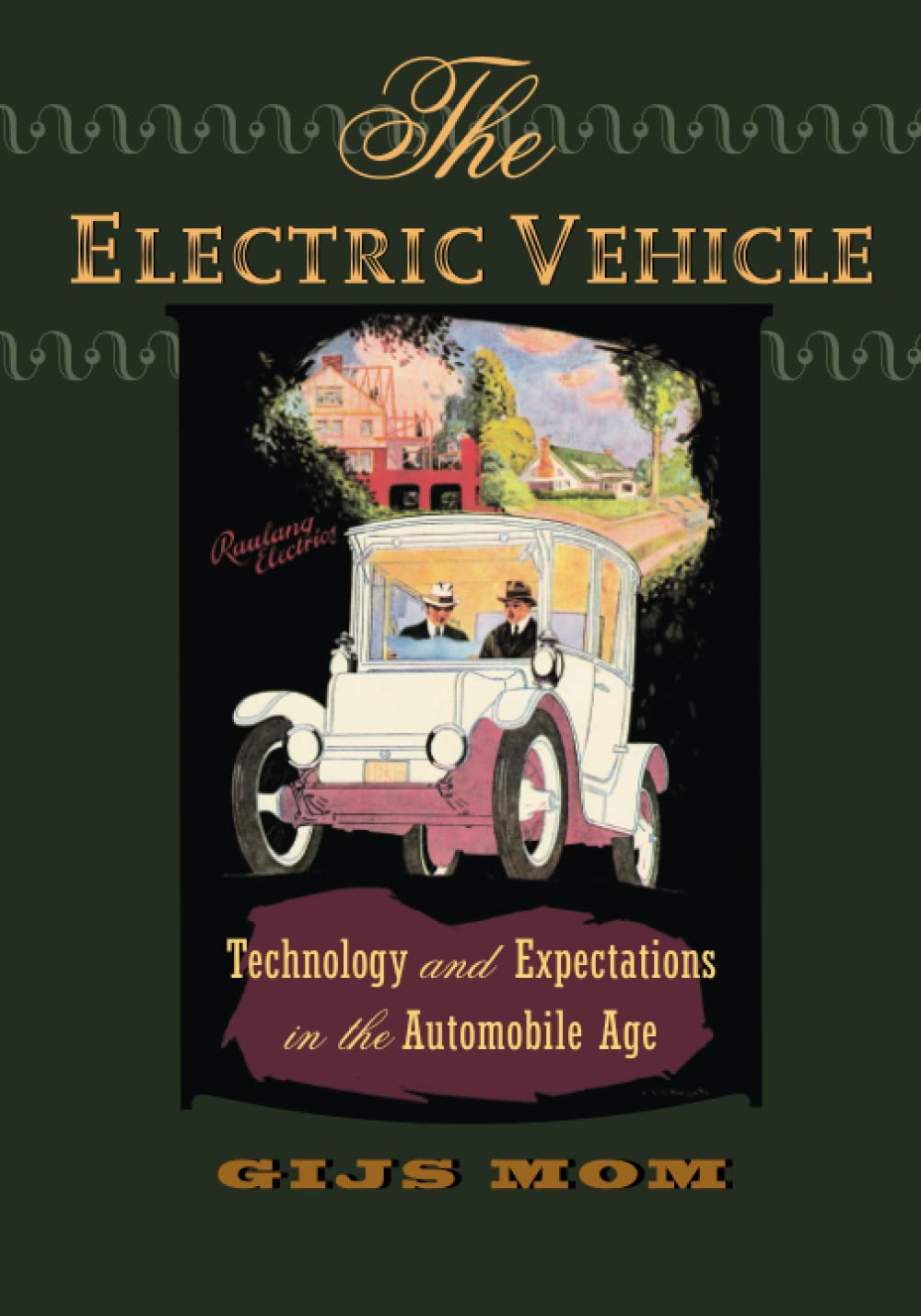
The Electric Vehicle: Technology and Expectations in the Automobile
The Electric Vehicle: Technology and Expectations in the Automobile
Price subject to change. Tap below for current.
Couldn't load pickup availability
In this review of The Electric Vehicle: Technology and Expectations in the Automobile Age the reviewer finds a focused, historically grounded book best suited to readers who want to understand how battery propulsion competed with gasoline engines through the early automobile era. The book's bottom line is clear: it shows that the electric car is not a new idea but a persistent technology with its own industrial logic, and it does so with the depth and archival detail expected from an engineering historian. Readers seeking context and technical narrative will find the greatest value here.
Key Features
- Historical depth: Traces the parallel development of electric and gasoline vehicles, clarifying why battery propulsion held early promise and why it declined in many markets.
- Technical context: Explains the engineering and infrastructure issues that shaped adoption, helping readers understand the practical limits and advantages of early electric designs.
- Comparative scope: Covers developments in both Europe and America, which gives a balanced view of regional industry decisions and consumer expectations.
- Award recognition: Winner of the Engineer-Historian Award and the Nicholas-Joseph Cugnot Award, signaling credibility within automotive history and mechanical engineering communities.
- Industry perspective: Shows how nascent automobile companies evaluated battery power alongside gasoline, illuminating business and technological choices.
Who It's For
The book is aimed at engineers, historians, policy students, and automotive enthusiasts who want a rigorous, archival approach to the electric car's place in history. It suits readers who appreciate technical explanation combined with social and industrial context rather than a simple chronology or popular overview.
Readers looking for a short primer, consumer buying advice, or modern engineering design manuals should look elsewhere; this is an analytical history rather than a how-to guide or a contemporary comparative review of modern electric vehicles.
Pros & Cons
Pros
- Well-researched narrative that restores the electric car to a central role in early automobile history.
- Balances technical explanation with industry and societal context for a fuller understanding of technology choices.
- Awards from respected bodies underline the book's scholarly credibility and relevance to historians and engineers.
Cons
- The focus on historical and engineering context means the book is not a quick popular read and may be dense for casual readers.
Specifications
| Title | The Electric Vehicle: Technology and Expectations in the Automobile Age |
| Author | Gijs Mom |
| Awards | Engineer-Historian Award; Nicholas-Joseph Cugnot Award |
| Scope | History of electric and gasoline vehicles in Europe and America |
| Focus | Technical, industrial, and societal drivers of vehicle technology |
Our Verdict
The Electric Vehicle is a substantive, scholarly book that repays readers who want a detailed account of why battery propulsion was once expected to predominate. It is good value for historians, engineers, and policy readers because it connects technical realities to business and social expectations, though casual readers may find the material dense.
Frequently Asked Questions
Does this book cover modern electric vehicles?
Answer. The book focuses on historical development and industry expectations rather than recent electric vehicle technology or contemporary models.
Is the content technically demanding?
Answer. The text includes engineering context and industrial detail, so readers with some technical or historical background will get the most from it.
Why are the awards mentioned important?
Answer. The Engineer-Historian and Nicholas-Joseph Cugnot Awards indicate recognition from both engineering history and automotive history communities, signaling scholarly credibility.
Editor's Take
A substantive, scholarly history that explains why battery propulsion once competed with gasoline vehicles; highly valuable for historians, engineers, and policy readers though dense for casual readers.

Recently viewed
Recently viewed products will appear here as customers browse the store.