

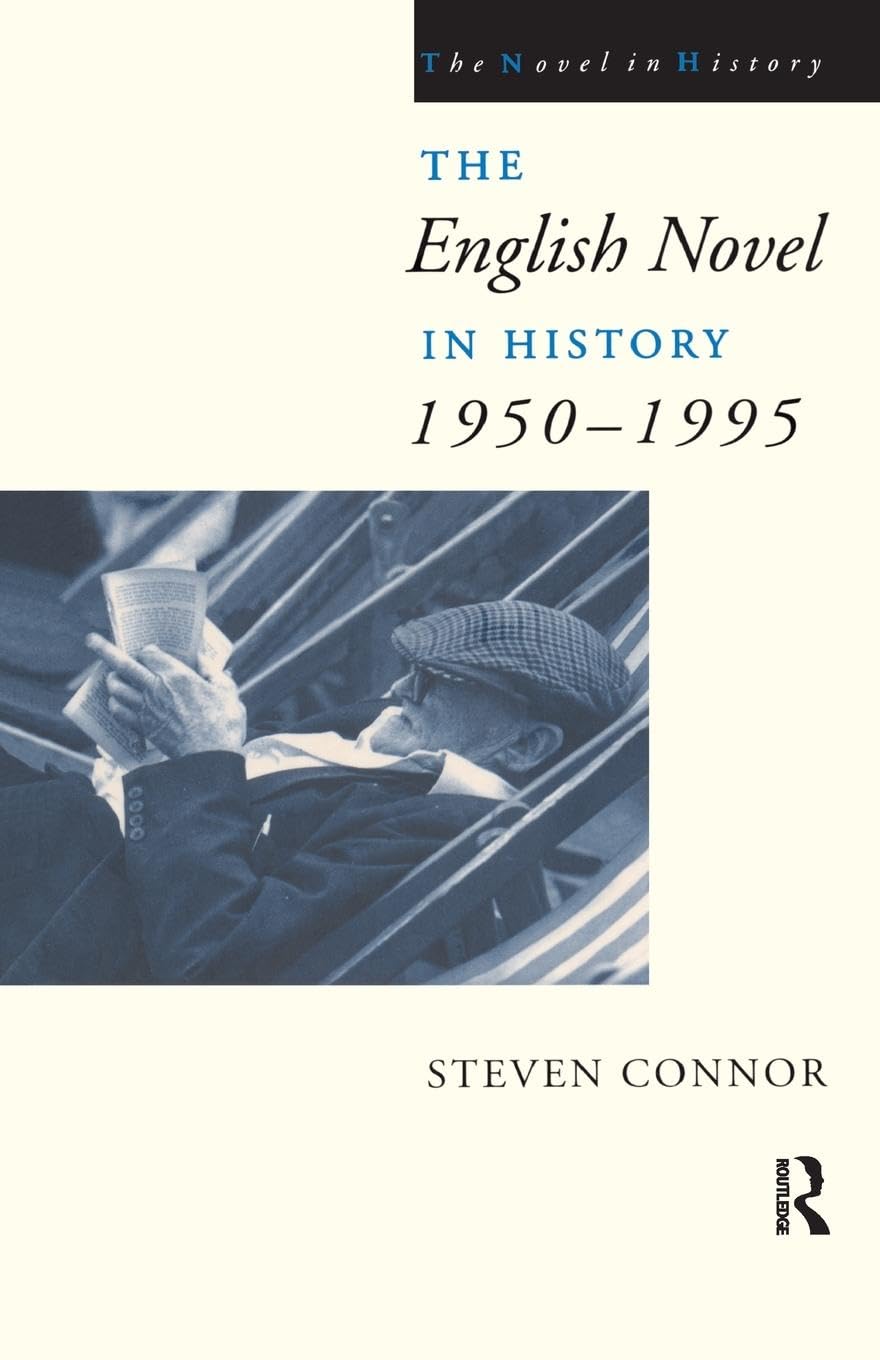
The English Novel in History, 1950 to the Present - Scholarly
The English Novel in History, 1950 to the Present - Scholarly
Price subject to change. Tap below for current.
Couldn't load pickup availability
In this review of The English Novel in History, 1950 to the Present, Professor Steven Connor offers a sustained, historically grounded examination that will appeal to readers who want more than plot summaries. The book is best for students, teachers and thoughtful general readers seeking close readings that link form to culture; its biggest strength is a consistently engaged voice that situates writers such as George Orwell, Angela Carter and Doris Lessing within broader historical and theoretical contexts, making complex ideas accessible without losing scholarly precision.
Key Features
- Wide-ranging author selection: The text brings together an extensive set of writers from postwar Britain to illustrate changes in form and theme across decades.
- Form-focused analysis: Connor concentrates on how the novel's own structures respond to social and historical pressures, helping readers see technique as meaning.
- Cultural context: Discussions link literary developments to contemporaneous cultural moments, giving a fuller sense of why texts mattered then and now.
- Accessible scholarly voice: The writing balances theoretical insight and readable prose so advanced students and interested non-specialists can engage with the arguments.
- Historical sweep: The book covers roughly 1950 through the late 20th century, offering a sustained narrative of change rather than isolated essays.
Who It's For
Readers in higher education, particularly undergraduates and postgraduates studying British literature, criticism or cultural theory, will find this book especially useful as a companion to coursework and seminar discussion. The emphasis on form and context makes it a strong choice for instructors designing modules on postwar fiction.
Those seeking a brief overview or a beginner's introduction to contemporary fiction should look elsewhere, as the book assumes some familiarity with critical vocabulary and the authors discussed. It is not a replacement for primary texts but a rigorous interpretive guide to them.
Pros & Cons
Pros
- Wide author coverage allows readers to compare a varied range of postwar British novelists.
- The focus on form clarifies how narrative techniques reflect historical change.
- Clear scholarly voice makes complex cultural theory more approachable for students.
Cons
- The level of critical theory may be challenging for casual readers without prior exposure to literary analysis.
Specifications
| Title | The English Novel in History, 1950 to the Present |
| Author / Brand | Professor Steven Connor |
| Scope | British novel from 1950 through the late 20th century |
| Focus | Form, cultural context and historical placement |
| Notable authors discussed | George Orwell; William Golding; Angela Carter; Doris Lessing; Hanif Kureishi |
| Intended audience | Students, teachers and readers of literary criticism |
Our Verdict
The English Novel in History, 1950 to the Present is a thoughtful, context-rich study that rewards readers who want to understand how postwar British fiction evolved in relation to social and cultural change. It is good value for students and instructors seeking interpretive depth and a sustained account of form, though casual readers should expect a scholarly register and some theoretical density.
Frequently Asked Questions
Does this book cover non-British writers?
The emphasis is on British and Irish novelists of the postwar period, with the cultural-historical frame focused on Britain.
Is prior knowledge of literary theory required?
Some familiarity helps, but Connor's writing remains readable for motivated general readers who are willing to engage with critical terms.
Is this suitable for classroom use?
Yes; the book is well suited to undergraduate and graduate courses on contemporary British literature and cultural criticism.
Editor's Take
A thoughtful, context-rich study that explains how postwar British fiction evolved in relation to social and cultural change; ideal for students and instructors seeking interpretive depth.

Recently viewed
Recently viewed products will appear here as customers browse the store.