

The Epistle of James Linguistic Exegesis - Unified SFL Study
The Epistle of James Linguistic Exegesis - Unified SFL Study
Price subject to change. Tap below for current.
Couldn't load pickup availability
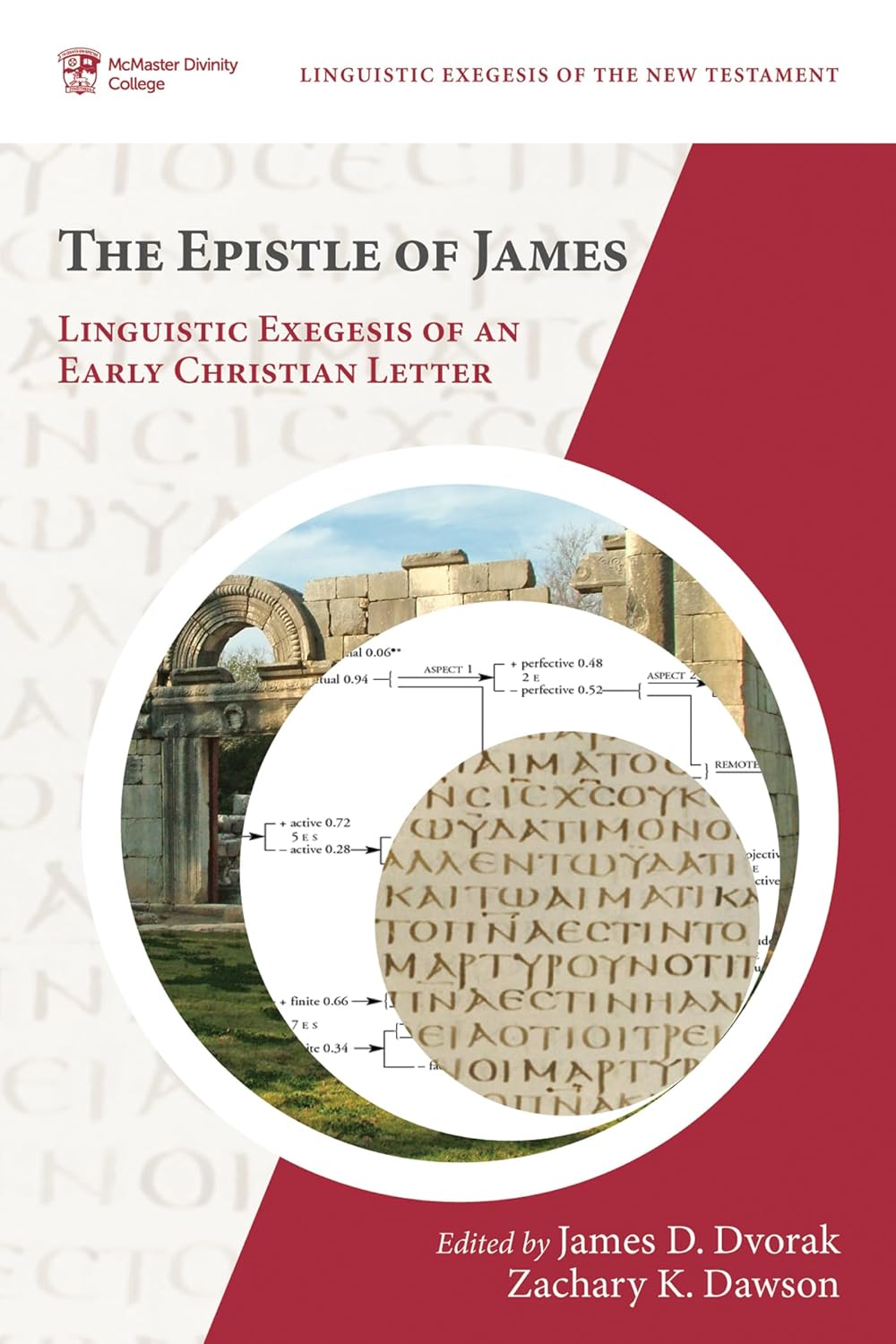
In this review of The Epistle of James: Linguistic Exegesis of an Early Christian Letter, the bottom line is clear: this volume is for readers who want a rigorous, theory-driven linguistic reading of the New Testament book of James. Scholars and advanced students seeking a unified methodological approach will find the book valuable because it applies Systemic-Functional Linguistics consistently across essays, producing focused analyses of cohesion, rhetoric, and interpersonal dynamics in the letter of James.
Key Features
- Theoretical unity: Every essay uses the same linguistic framework to let readers compare methods and findings across different topics in James.
- Textual structure analysis: The book examines coherence and cohesion in the letter so readers gain a clearer view of its rhetorical organization.
- Intertextual focus: Essays explore how James engages other texts, helping students trace literary and theological echoes.
- Rhetorical and ideological study: Contributors apply linguistic tools to reveal strategies of persuasion and ideological struggle in the letter.
- Interpersonal relations: The volume analyzes social roles and relationships within James, useful for discourse-focused exegesis.
- Research utility: The consistent method makes this an accessible resource for comparative study and further Jacobean scholarship.
Who It's For
This book is aimed primarily at researchers, graduate students, and advanced undergraduates in biblical studies or linguistics who already appreciate or are learning Systemic-Functional Linguistics. It serves those who want to move beyond traditional theological or historical readings to a linguistically informed exegesis of James.
Readers seeking a general devotional commentary or a beginner-friendly introduction to the Epistle of James should look elsewhere, as the essays assume familiarity with linguistic terminology and theoretical method rather than providing basic background for lay readers.
Pros & Cons
Pros
- Provides a coherent, theory-driven approach that eases cross-essay comparison and cumulative insight.
- Addresses diverse topics such as cohesion, intertextuality, rhetoric, and ideology with linguistic precision.
- Useful as a research tool and classroom supplement for advanced courses in New Testament studies and discourse analysis.
Cons
- Not designed for casual readers or those without prior exposure to linguistic theory, which limits its accessibility.
Specifications
| Title | The Epistle of James: Linguistic Exegesis of an Early Christian Letter |
| Series | McMaster Linguistic Exegesis of the New Testament |
| Authors / Editors | James D Dvorak, Zachary K Dawson |
| Approach | Systemic-Functional Linguistics applied to a single New Testament book |
| Topics Covered | Textual structure, cohesion, intertextuality, rhetoric, ideology, interpersonal relations |
| Intended Audience | Researchers and students of James and linguistic exegesis |
Our Verdict
The Epistle of James: Linguistic Exegesis is a solid, focused resource for anyone doing advanced linguistic or discourse-based work on James. Its unified application of Systemic-Functional Linguistics makes it especially valuable for comparative analysis and graduate seminars, offering good scholarly value despite being too technical for general devotional readers.
Frequently Asked Questions
Is this book suitable for beginners?
It is not ideal for beginners; the essays presuppose familiarity with linguistic theory and academic exegesis.
Does the volume focus on a single method?
Yes, contributors consistently use Systemic-Functional Linguistics to analyze aspects of the Epistle of James.
Who benefits most from this work?
Graduate students, researchers, and instructors in New Testament studies or linguistic exegesis will gain the most from this collection.
Editor's Take
A focused, theory-driven study ideal for graduate students and researchers; its unified Systemic-Functional Linguistics approach offers strong value for linguistic exegesis though it is too technical for casual readers.

Recently viewed
Recently viewed products will appear here as customers browse the store.