

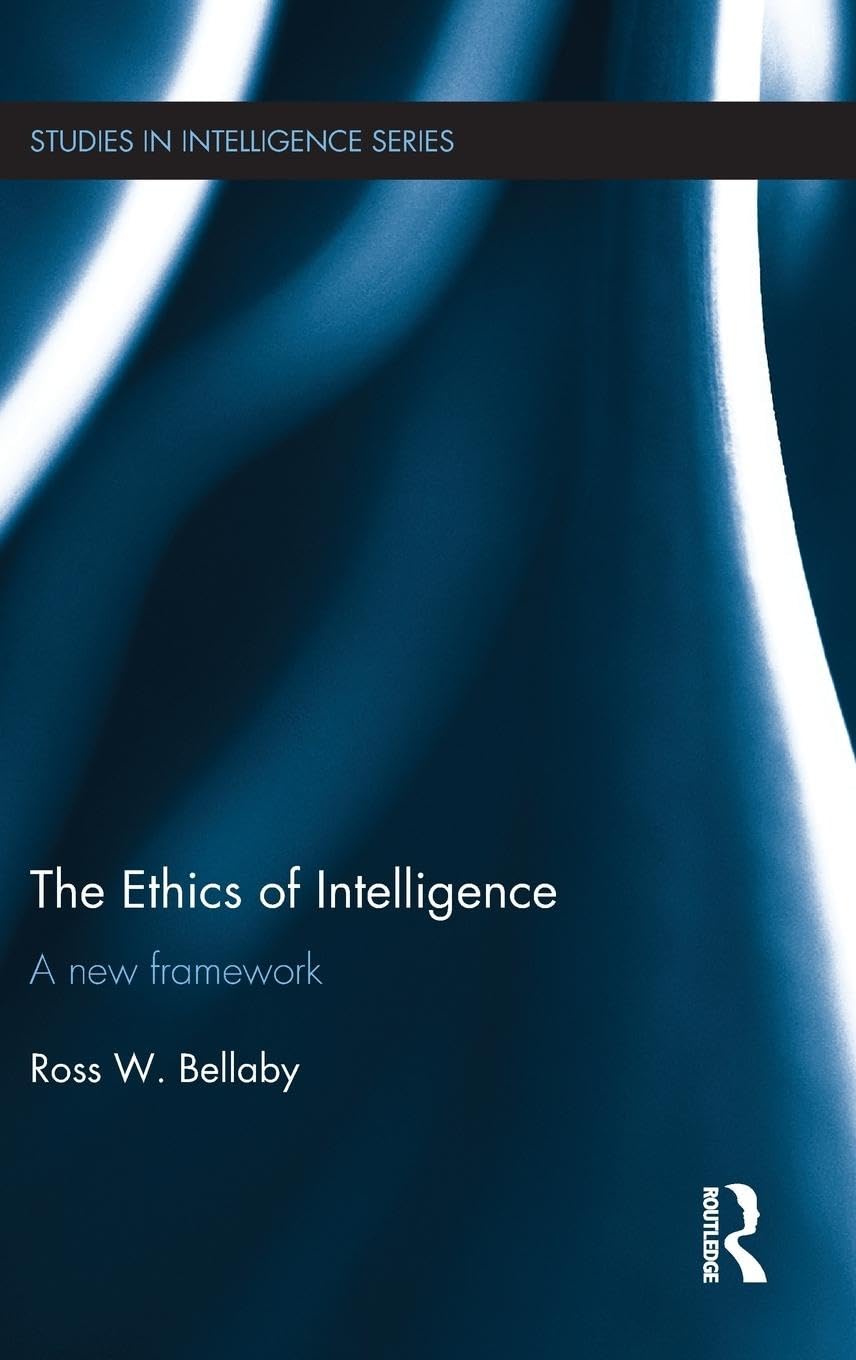
The Ethics of Intelligence - Scholarly of Just Intelligence Principles
The Ethics of Intelligence - Scholarly of Just Intelligence Principles
Price subject to change. Tap below for current.
Couldn't load pickup availability
In this review of The Ethics of Intelligence the bottom line is clear: this book is for readers seeking a structured ethical framework for intelligence work rather than a how-to manual. Ross W. Bellaby begins from the premise that intelligence practice lacks systematic ethical review and proceeds to build a defensible approach centered on harm and a set of Just Intelligence Principles. The review finds the book most valuable to academics, policy makers and intelligence professionals who want a coherent vocabulary and moral criteria to judge when, how and to what ends intelligence is justified.
Key Features
- Systematic ethical framework: The book lays out a coherent structure that treats intelligence ethics as a distinct field requiring formal principles and practical tests.
- Harm-based approach: Emphasizing harm lets readers evaluate intelligence collection and operations against the concrete consequences they produce.
- Just Intelligence Principles: Bellaby proposes specific principles to guide decisions about permission, method and proportionality in intelligence work.
- Contextual relevance: The text addresses modern controversies such as detention abuse and extraordinary rendition to show why ethical standards are necessary.
- Accessible to professionals: Though scholarly in tone, the framework is presented so that intelligence practitioners can apply it to policy and operational choices.
Who It's For
This book best serves university researchers, students of security studies, legislators and senior intelligence officers who need an analytical vocabulary to assess ethical trade-offs in surveillance, detention and covert action. Its emphasis on principle over procedure makes it a reference for crafting policy or teaching a course on intelligence ethics.
Readers seeking a practitioner guide with checklists for field collection techniques or step-by-step operational manuals should look elsewhere; the book is philosophical and normative rather than procedural, focusing on justification and moral boundaries rather than tactics.
Pros & Cons
Pros
- Provides a clear, consistent framework for discussing intelligence ethics useful in academic and policy debates.
- Connects theoretical principles to real-world controversies to explain why ethical review matters.
- Frames decisions in terms of harm, which offers a practical axis for evaluation across diverse cases.
Cons
- Not a field manual: the book does not provide operational checklists or tactical guidance for practitioners in the field.
Specifications
| Title | The Ethics of Intelligence |
| Series | Studies in Intelligence |
| Author | Ross W. Bellaby |
| Subject focus | Ethical framework for intelligence practice |
| Core concept | Harm-based Just Intelligence Principles |
| Relevant issues | Surveillance, detention abuse, rendition, professional ethics |
Our Verdict
The Ethics of Intelligence is a thoughtful, well-argued contribution for anyone engaged in the study or governance of intelligence. Its value lies in supplying a principled vocabulary and harm-centered tests that make ethical evaluation practicable; buy it if you need conceptual tools to reform policy or teach ethics, but not if you expect operational guidance.
Frequently Asked Questions
Does the book offer practical rules for intelligence officers?
It offers principled tests and a framework rather than step-by-step operational rules, so it is better suited to policy and ethical analysis.
What controversies does the book address?
Bellaby discusses issues such as detention abuse, extraordinary rendition and the expanding surveillance state to illustrate the need for ethics.
Who wrote the framework?
Ross W. Bellaby develops the Just Intelligence Principles and grounds them in a harm-based ethical approach.
Editor's Take
The Ethics of Intelligence offers a clear, harm-based framework and Just Intelligence Principles useful for scholars, policymakers and intelligence professionals who need principled tools to evaluate intelligence practice; it is conceptual rather than operational.

Recently viewed
Recently viewed products will appear here as customers browse the store.