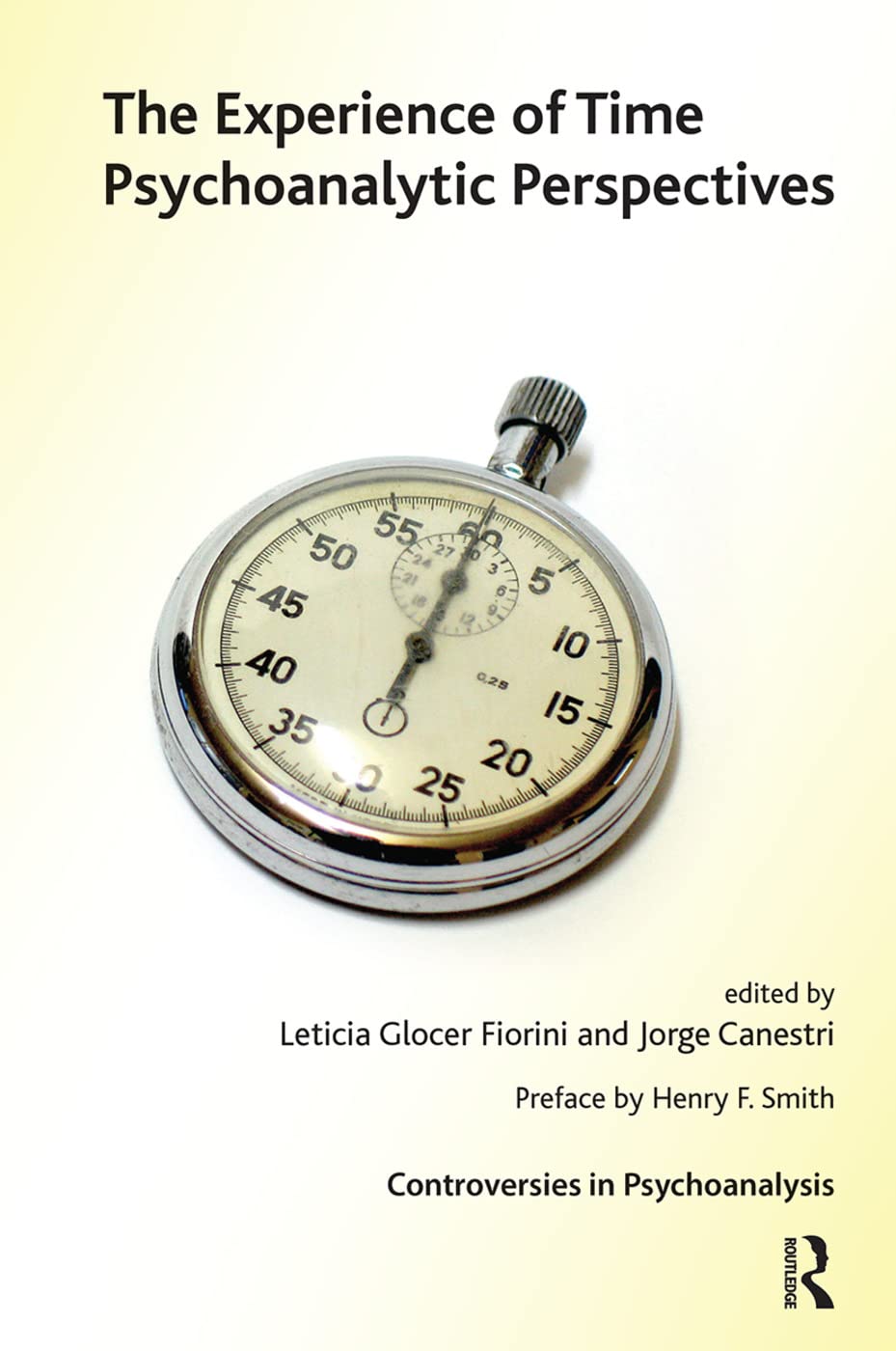
The Experience of Time: Insights from Psychoanalysis Series
The Experience of Time: Insights from Psychoanalysis Series
Price subject to change. Tap below for current.
Couldn't load pickup availability
The Experience of Time is a profound exploration into the intricate relationship between time and psychoanalysis. This book, part of the International Psychoanalytical Association's Controversies in Psychoanalysis Series, delves into how our perception of time influences our psychological experiences. The authors, Leticia Glocer Fiorini and Jorge Canestri, present a compelling argument that time is not merely a linear progression but a complex construct that shapes our identities and relationships.
In this enlightening text, the authors utilize a variety of case studies to illustrate the concept of temporal perception in psychoanalytic practice. They argue that understanding a patient's experience of time can lead to deeper insights into their emotional and psychological states. By examining the nuances of time, clinicians can enhance their therapeutic approaches and foster a more profound connection with their patients.
One of the key themes in The Experience of Time is the distinction between chronological time and psychological time. The authors emphasize that while chronological time is measured in hours and minutes, psychological time is subjective and varies from person to person. This distinction is crucial for psychoanalysts as it informs their understanding of a patient's narrative and emotional landscape.
The book also addresses the impact of cultural and societal factors on our experience of time. Different cultures perceive and value time in unique ways, which can significantly influence an individual's psychological well-being. By integrating these cultural perspectives, the authors provide a comprehensive framework for understanding the cultural dimensions of time in psychoanalysis.
Moreover, The Experience of Time discusses the implications of modern technology on our perception of time. In an age where instant gratification is the norm, the authors explore how this shift affects our mental health and relationships. The rapid pace of life can lead to feelings of anxiety and disconnection, making it essential for psychoanalysts to address these issues in therapy. The book highlights the importance of mindfulness and presence in countering the negative effects of a fast-paced world.
Throughout the text, the authors provide practical insights and strategies for integrating the concept of time into psychoanalytic practice. They encourage clinicians to reflect on their own experiences of time and how it shapes their interactions with patients. This self-reflection can lead to more effective therapeutic outcomes and a deeper understanding of the therapeutic relationship.
In conclusion, The Experience of Time is an essential read for anyone interested in the intersection of time and psychoanalysis. It challenges traditional notions of time and offers a fresh perspective on how our understanding of time can enhance therapeutic practices. With its rich insights and practical applications, this book is a valuable addition to the library of any mental health professional.
Share