

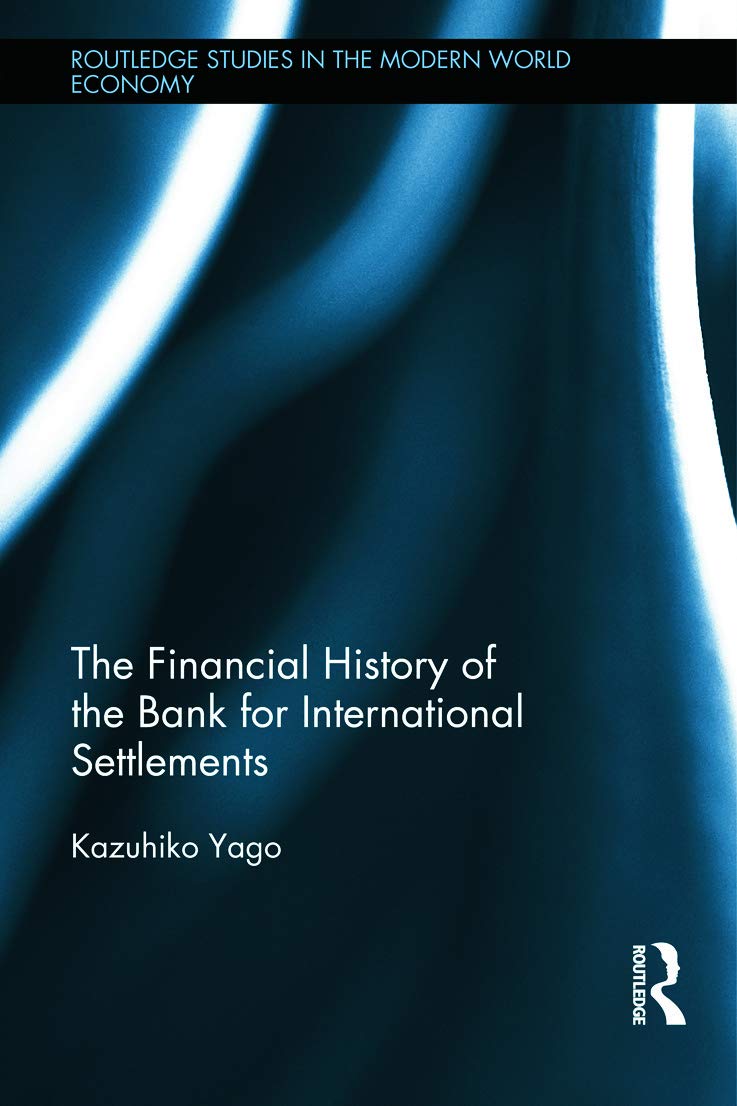
The Financial History of the Bank for International Settlements
The Financial History of the Bank for International Settlements
Price subject to change. Tap below for current.
Couldn't load pickup availability
In this review of The Financial History of the Bank for International Settlements, the book is recommended for readers seeking a rigorous, archival account of the BIS from its foundation through the 1970s. The single biggest reason to buy is its use of original bank and member-country archives to clarify how the BIS responded to major events such as the Great Depression, World War II controversies, and postwar reconstruction, making it a valuable historical resource rather than a textbook overview.
Key Features
- Archival research: The book draws on primary sources from the BIS and member financial institutions to present documented historical narratives.
- Chronological scope: Coverage from the BIS foundation in 1930 through the 1970s gives readers a long-term perspective on institutional development.
- Focused topics: The study examines major episodes such as the Great Depression response and the wartime looted gold issue with documentary evidence.
- Institutional analysis: It treats the BIS both as an international forum for central bankers and as a bank investing member funds, clarifying its dual roles.
- Scholarly approach: The book uses historical method to unpack why and how the BIS was founded and how it coped with changing international finance.
Who It's For
The book is best for economic historians, graduate students, central banking researchers, and professionals interested in the institutional history of international finance who want a source-based account of the BIS. Its archival emphasis makes it especially useful for scholars tracing policy decisions and institutional behavior.
It is less suitable for casual readers seeking a brief popular history or an introduction to modern monetary policy; those audiences may prefer broader surveys that synthesize theory and practice rather than deep archival exposition.
Pros & Cons
Pros
- Strong use of primary archival material provides authoritative historical detail.
- Long chronological span offers perspective on institutional continuity and change.
- Clear focus on specific controversies, such as the looted gold question, grounds debates in documents.
- Scholarly tone suits academic research and citation.
Cons
- The detailed archival narrative may feel dense to non-specialist readers looking for a concise overview.
- Limited coverage after the 1970s means readers wanting recent BIS developments must look elsewhere.
Specifications
| Title | The Financial History of the Bank for International Settlements |
| Author / Brand | Kazuhiko Yago |
| Series | Routledge Studies in the Modern World Economy, 111 |
| Period covered | From BIS foundation (1930) through the 1970s |
| Focus | Institutional history using bank and member-country archives |
| Key subjects | Founding of the BIS, Great Depression, WWII looted gold debate, postwar role |
Our Verdict
This is a well-documented, archival history that scholars and specialists should buy for its documentary depth and institutional analysis. It represents good value for researchers who need primary-source-based explanations of the BIS role during major 20th century financial episodes, while general readers seeking a light overview may find it more demanding than necessary.
Frequently Asked Questions
Does this book cover the BIS founding in detail?
Yes. The study specifically investigates why and how the BIS was founded using archival sources to explain its creation and early purpose.
Is recent BIS activity included?
No. The book's narrative extends through the 1970s and does not cover contemporary developments after that period.
Is it suitable for non-specialists?
It is scholarly in tone and best suited to researchers and students; casual readers may find the level of archival detail dense.
Editor's Take
A well-documented archival history that scholars and students of central banking should buy for its detailed institutional analysis of the BIS from 1930 through the 1970s; general readers may find it dense.

Recently viewed
Recently viewed products will appear here as customers browse the store.