

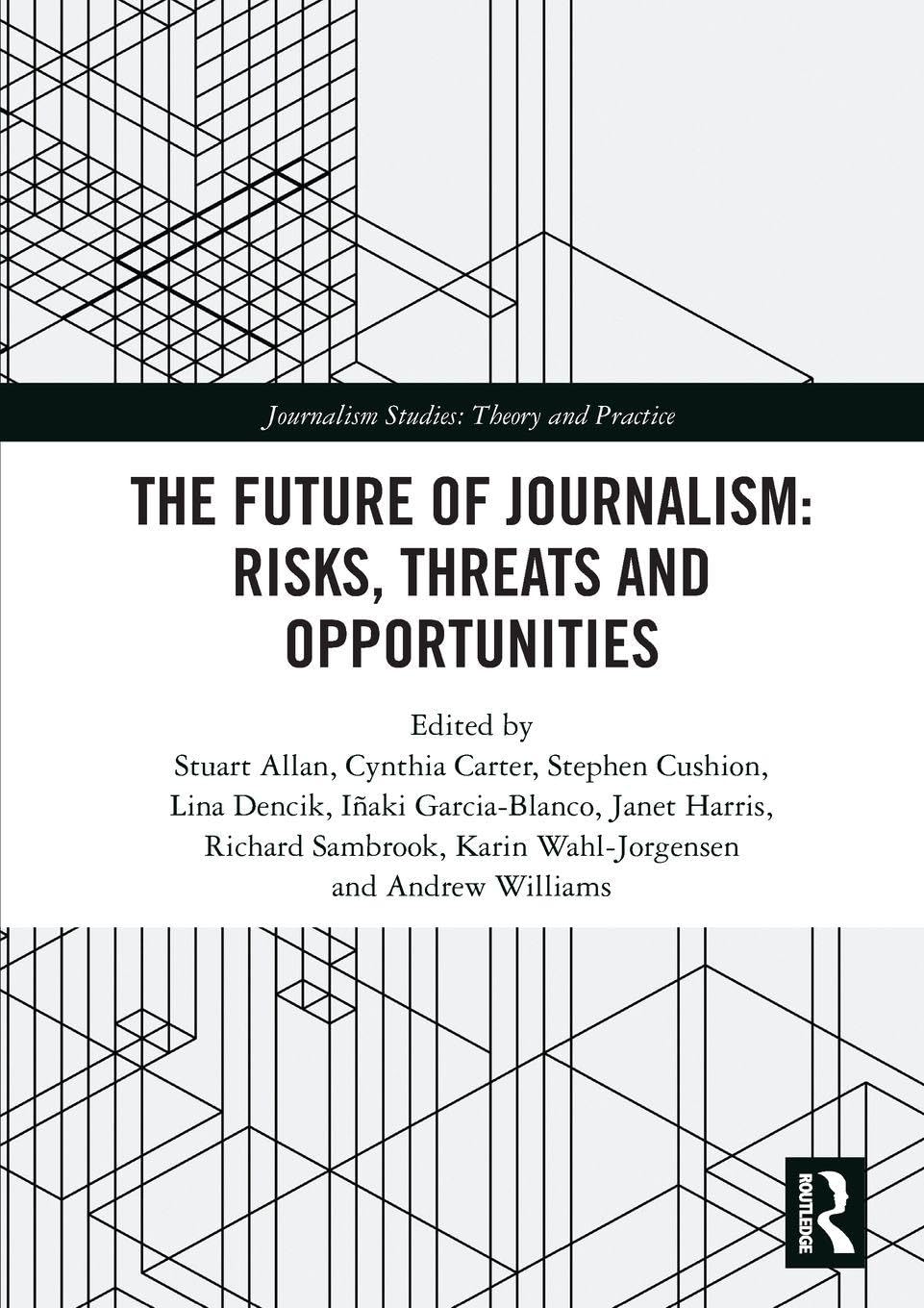
The Future of Journalism: Risks, Threats and Opportunities (Journalism
The Future of Journalism: Risks, Threats and Opportunities (Journalism
Price subject to change. Tap below for current.
Couldn't load pickup availability
In this review of The Future of Journalism: Risks, Threats and Opportunities, the editors compile research from the 2015 Cardiff conference to map how journalism is changing and what threatens its practice. This volume is for readers who want a scholarly yet accessible survey of contemporary challenges in journalism, especially the influence of social media and the practical dangers journalists face in conflict zones. The single biggest reason to buy is its concentrated collection of conference research that links technological change to on-the-ground risks, offering context rather than polemic.
Key Features
- Conference-based research: Chapters are drawn from presentations at the 2015 Future of Journalism conference, giving a coherent snapshot of scholarship from a single forum.
- Journalism and social media: Several contributions examine how platforms like Twitter, Facebook and YouTube are redefining reporting, sourcing and audience engagement.
- Journalists at risk: Dedicated analysis of safety and legal pressures shows how reporting is threatened in war, conflict and crisis settings.
- Thematic focus: The book groups findings around five areas of concern, making it easier to follow debates about threats, risks and opportunities.
- International perspectives: Contributors bring varied geographic and disciplinary viewpoints, helpful for comparative understanding of journalism's future.
Who It's For
This collection suits journalism scholars, graduate students and policy researchers who want a focused read on how digital platforms and conflict environments shape news production. It is also useful for newsroom editors and trainers seeking informed discussion about safety and sourcing in the digital era.
Readers looking for a practical how-to guide, a journalistic manual, or a single-author narrative should look elsewhere; this book prioritizes conference research and thematic analysis over step-by-step instructions or frontline reporting memoirs.
Pros & Cons
Pros
- Consolidates contemporary scholarship from a major 2015 conference, offering a clear snapshot of ongoing debates.
- Thoughtful treatment of social media's impact provides useful context for scholars and practitioners.
- Chapters on journalists' safety and rights add important practical and ethical dimensions to the discussion.
- Varied contributors deliver comparative and multidisciplinary insight rather than a single viewpoint.
Cons
- As a conference volume, the book is more academic and thematic than a practical guide for daily newsroom use.
- Readers expecting extensive case studies or recent platform-specific data may find the 2015 conference scope somewhat dated for fast-moving digital trends.
Specifications
| Title | The Future of Journalism: Risks, Threats and Opportunities |
| Series | Journalism Studies |
| Origin | Research presented at the 2015 Future of Journalism conference, Cardiff University |
| Themes covered | Journalism and social media; journalists at risk; ethical and practical threats |
| Contributor types | Scholars and researchers from multiple institutions |
| Editors / Brand | Stuart Allan, Cynthia Carter, Stephen Cushion and others |
Our Verdict
This edited volume is a strong academic resource for anyone studying the intersection of digital platforms and journalistic practice, and for those concerned about safety and rights in reporting. It represents good value for students and researchers who need a thematic overview rooted in conference research rather than a practitioner manual.
Frequently Asked Questions
Is this book suitable for undergraduate students?
Yes. It is approachable for undergraduates in journalism or media studies, though some chapters assume familiarity with academic discussion.
Does the book offer practical newsroom advice?
Not primarily; its focus is on research and analysis of risks, threats and opportunities rather than step-by-step newsroom procedures.
Are social media platforms discussed in depth?
Yes. Several chapters examine the impact of platforms such as Twitter and Facebook on reporting, sourcing and audience engagement.
Editor's Take
This edited volume compiles 2015 conference research to provide a thematic, scholarly look at how social media and conflict environments shape journalism, making it a valuable resource for students and researchers despite being less practical for daily newsroom use.

Recently viewed
Recently viewed products will appear here as customers browse the store.