

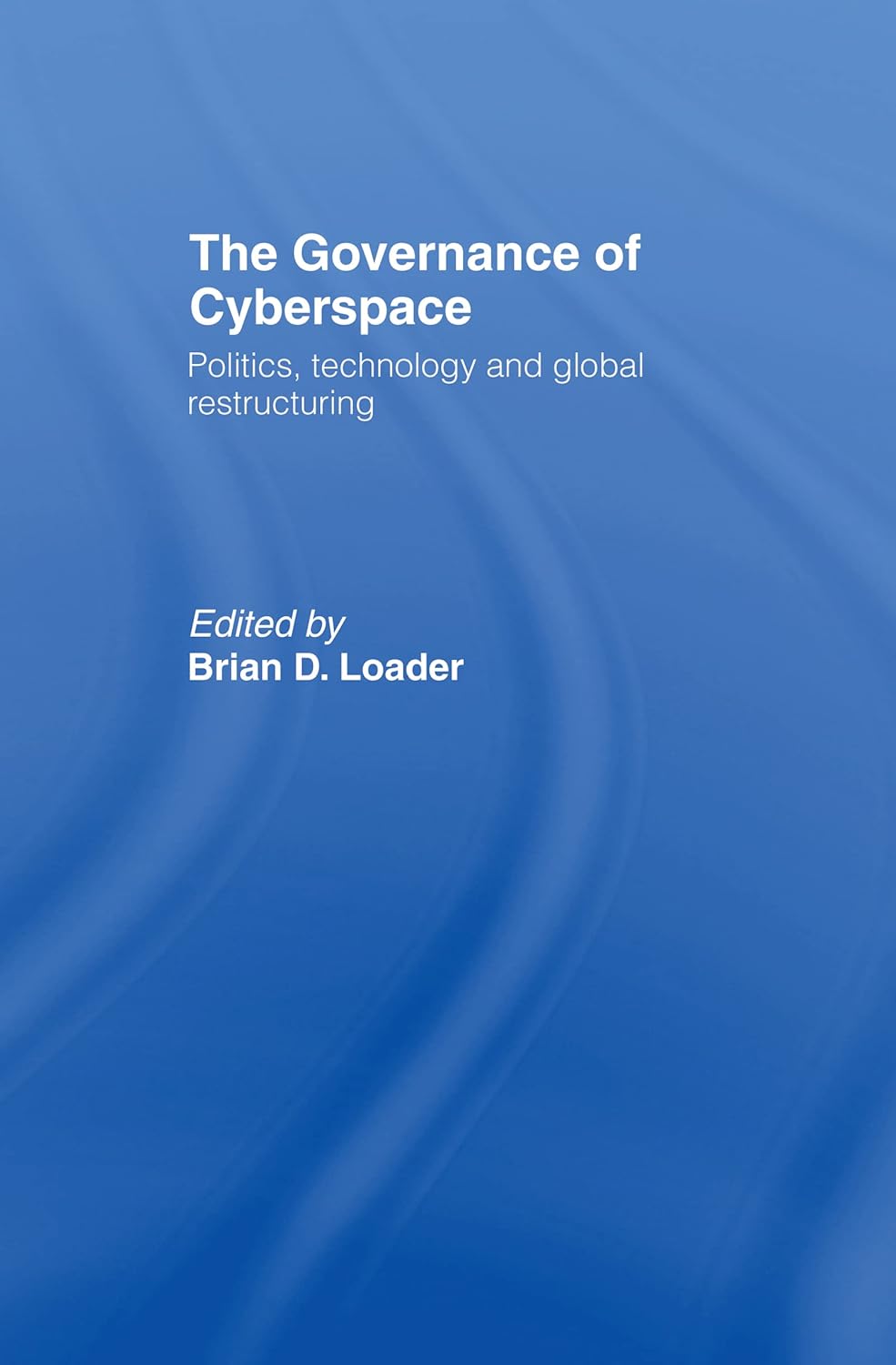
The Governance of Cyberspace: Politics, Technology and Global
The Governance of Cyberspace: Politics, Technology and Global
Price subject to change. Tap below for current.
Couldn't load pickup availability
In this review of The Governance of Cyberspace the reviewer finds a thoughtful, scholarly examination of how states, markets and civil society confront the internet's challenges; it is best for readers seeking a rigorous treatment of surveillance, privacy and regulation rather than a brief primer. The book develops contemporary theories about the technological shaping of politics and explores debates over who should regulate the internet, making it a strong choice for students, policy researchers and informed readers interested in the intersection of technology and governance.
Key Features
- Focused analysis: The book examines emerging debates on the desirability, form and agencies responsible for internet regulation, helping readers see competing viewpoints clearly.
- Surveillance and privacy: It provides an in-depth discussion of issues of surveillance, control, rights and privacy relevant to current policy discussions.
- Theoretical development: The Governance of Cyberspace develops contemporary theories about how information and communications technologies shape political institutions and social relations.
- Access and equity perspective: The text considers issues of access, equity and economic advancement, linking regulation debates to broader social outcomes.
- Interdisciplinary approach: By blending politics, technology and global restructuring, the book is useful for readers across political science, information studies and public policy.
Who It's For
The book is aimed at graduate students, policy analysts and academics who want a careful, critical treatment of internet governance debates and the political implications of ICTs. Its focus on surveillance, control and privacy makes it particularly useful for those researching national security policy, digital rights or regulatory frameworks.
Readers seeking a practical how-to guide, technical manual or a brief popular history of the internet should look elsewhere; this is not a layperson's primer but a scholarly exploration that assumes some familiarity with political and policy concepts.
Pros & Cons
Pros
- Clear treatment of competing regulatory models helps clarify who might legitimately govern cyberspace.
- Strong emphasis on surveillance, rights and privacy provides timely context for current debates.
- The connection between ICTs and economic advancement broadens the policy conversation beyond security concerns.
Cons
- The book's scholarly tone and theoretical focus may feel dense for casual readers seeking an introductory overview.
Specifications
| Title | The Governance of Cyberspace: Politics, Technology and Global Restructuring |
| Author/Brand | Brian D Loader |
| Subject focus | Surveillance, control, rights and privacy in relation to the internet |
| Approach | Theoretical development and policy analysis |
| Key themes | Regulation, access, equity and economic advancement |
Our Verdict
The Governance of Cyberspace is a valuable, well-argued resource for students and policy professionals who need a rigorous account of how states and other agencies confront internet governance. Its detailed treatment of surveillance, privacy and regulatory debate makes it good value for anyone researching the political effects of ICTs, though casual readers may prefer a more accessible introduction.
Frequently Asked Questions
Does this book cover surveillance and privacy?
The book contains substantial analysis of surveillance, control, rights and privacy in relation to the internet.
Is this a practical guide to internet technology?
No, it is a theoretical and policy-focused examination rather than a technical how-to manual.
Who authored the book?
The work is by Brian D Loader and addresses politics, technology and global restructuring around cyberspace.
Editor's Take
A rigorous, policy-oriented examination of internet governance that offers valuable analysis of surveillance, privacy and regulatory debate for students and researchers, though its scholarly tone may be dense for casual readers.

Recently viewed
Recently viewed products will appear here as customers browse the store.