

The Grateful Slave: The Emergence of Race in Eighteenth-Century
The Grateful Slave: The Emergence of Race in Eighteenth-Century
Price subject to change. Tap below for current.
Couldn't load pickup availability
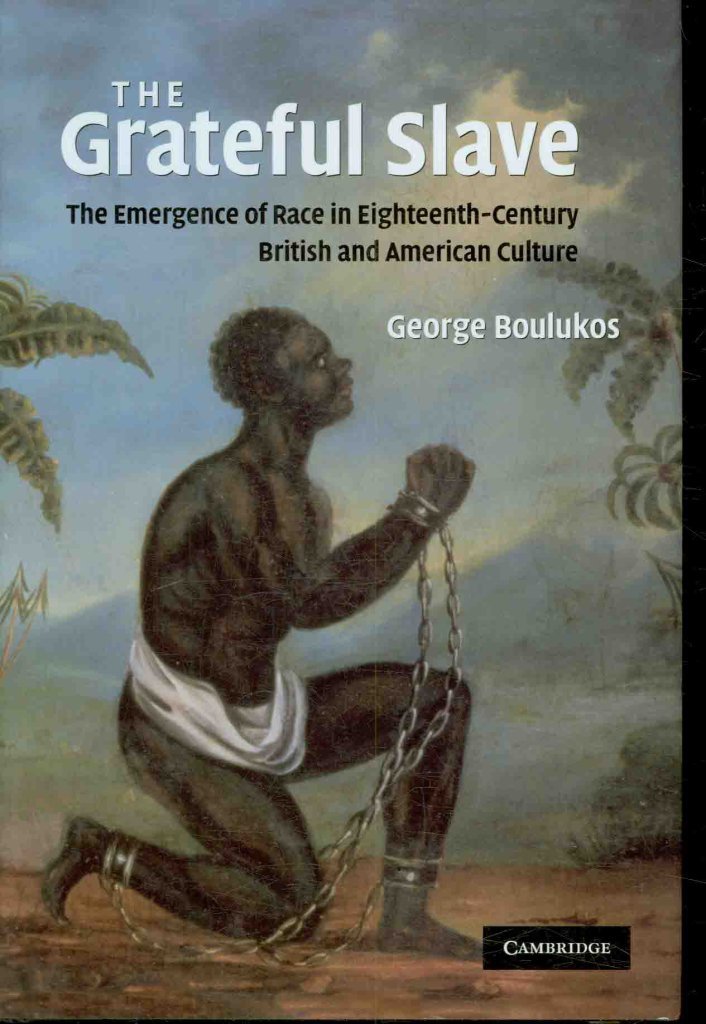
In this review of The Grateful Slave, George Boulukos offers a focused study that will appeal to scholars and serious readers interested in how literature shaped racial ideas in the eighteenth century. The book's single biggest contribution is its clear argument that the trope of the grateful slave functioned to legitimize racial oppression by portraying enslaved people as willingly deferential, and the author traces that image across texts and contexts with careful close reading. For readers seeking critical historical interpretation, this work supplies a sustained, evidence-based intervention.
Key Features
- Historical scope: Traces the figure of the grateful slave across late seventeenth- and eighteenth-century British and American writing to show continuity in the trope.
- Literary evidence: Uses canonical and lesser-known texts such as Daniel Defoe's Colonel Jack and Maria Edgeworth's The Grateful Negro to illustrate how literature reproduced racialized images.
- Cultural argument: Connects literary representations to colonial practices and white supremacy, demonstrating the trope's social and political consequences.
- Critical correction: Challenges previous accounts that assumed sentimental literature automatically opposed slavery, offering a revised interpretation of sentiment and slavery.
- Scholarly voice: Presents its case with sustained close reading and contextual historical analysis useful for academic study.
Who It's For
This book is best for literary scholars, historians of slavery and colonialism, graduate students, and readers interested in race and representation in eighteenth-century British and American culture. Its close readings and argument-driven chapters suit seminar discussion and research citations.
Readers looking for a broad survey of slavery's economic history or a general introductory textbook on slavery should look elsewhere; this is a focused literary and cultural study that assumes some familiarity with eighteenth-century literature and the history of colonialism.
Pros & Cons
Pros
- Illuminates a neglected trope and shows how it contributed to racial ideology through sustained textual examples.
- Careful close readings link literary form to historical practice in a way useful for scholars and advanced students.
- Challenges prevailing narratives about sentiment and abolition, prompting rethinking of familiar texts.
Cons
- The book is narrowly focused on literary tropes and may not satisfy readers seeking broader social or economic history.
Specifications
| Title | The Grateful Slave: The Emergence of Race in Eighteenth-Century British and American Culture |
| Author | George Boulukos |
| Subject | Race, literature, and colonial culture in the eighteenth century |
| Coverage | British and American eighteenth-century writings |
| Method | Close reading and cultural-historical analysis |
Our Verdict
For readers invested in how literature shaped racial thinking, Boulukos's study is a valuable corrective: it persuasively argues that the grateful slave trope buttressed white supremacy and deserves attention in scholarship. While specialized in scope, it offers good value for academic readers wanting a targeted, well-argued intervention.
Frequently Asked Questions
Does this book focus on specific authors?
The study examines authors such as Daniel Defoe and Maria Edgeworth alongside other eighteenth-century texts to trace the trope.
Is this accessible to nonacademics?
It is written in a scholarly register and is most accessible to readers with some background in literary studies or history.
Does the book argue the trope was supportive of white supremacy?
Yes; the central claim is that the grateful slave image, though seemingly sympathetic, helped justify racial oppression and colonial practices.
Editor's Take
Boulukos offers a focused, evidence-based study arguing the grateful slave trope supported white supremacy; a valuable, targeted book for scholars of literature and race.

Recently viewed
Recently viewed products will appear here as customers browse the store.