

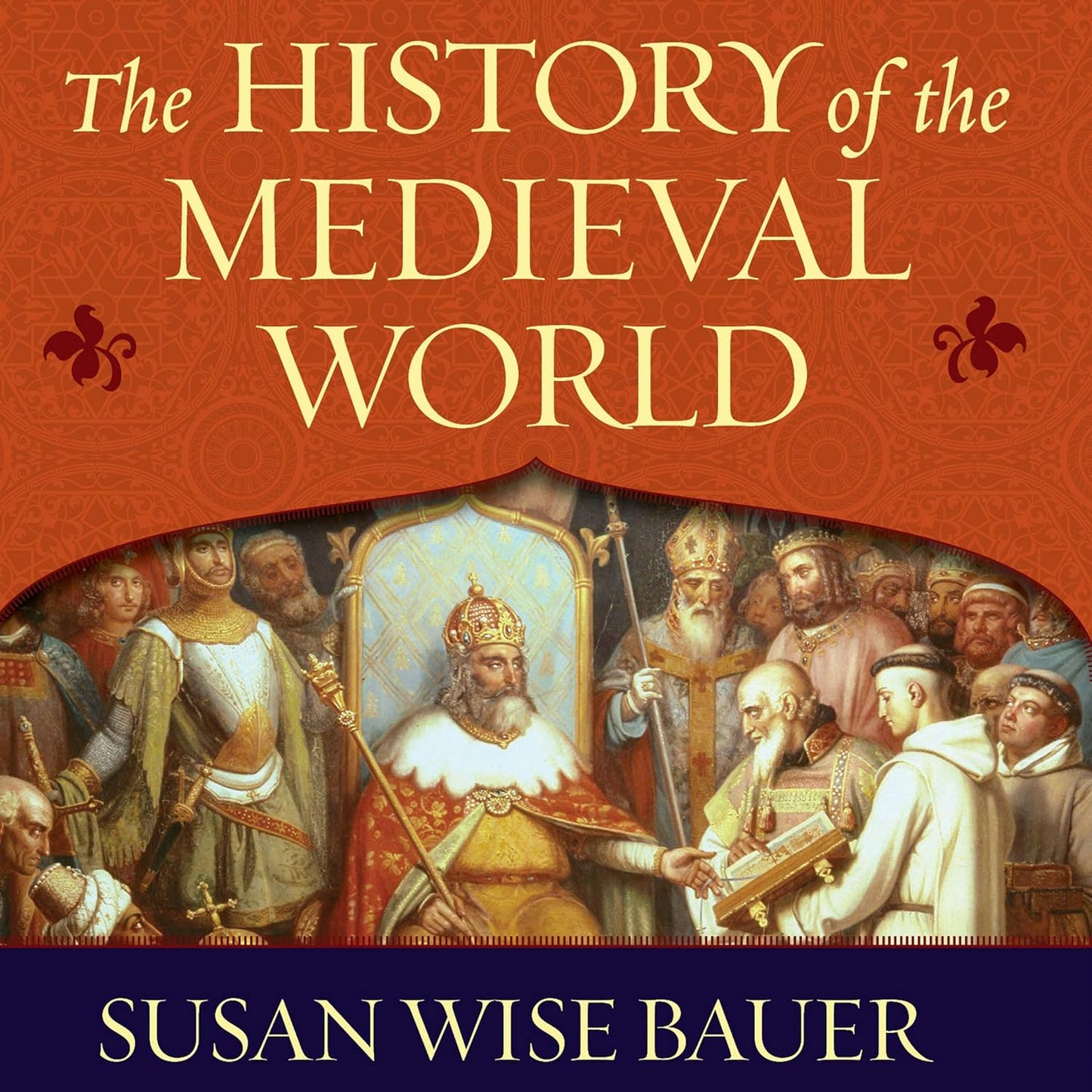
The History of the Medieval World - Engaging Global Narrative
The History of the Medieval World - Engaging Global Narrative
Price subject to change. Tap below for current.
Couldn't load pickup availability
In this review of The History of the Medieval World readers will find a broad, readable narrative that connects developments across continents between the fourth and twelfth centuries; the single biggest reason to buy is the book's clear, chapter-based storytelling that makes complex political and religious change accessible to general readers. Susan Wise Bauer frames the era from the schism of Rome and Constantinople to the First Crusade, showing how rulers used religion to justify power and how parallel developments in Europe, the Middle East, and Asia shaped later centuries.
Key Features
- Breadth of coverage: The book surveys events from the conversion of Constantine to the First Crusade, connecting Europe, the Islamic world, Persia, and Tang China in a single narrative.
- Readable prose: Short chapters and an engaging writing style make complex political and religious shifts approachable for non-specialist readers.
- Thematic focus: Bauer emphasizes the shift from sheer might to claims of divine right, clarifying how religion and statecraft intertwined.
- Comparative perspective: Parallel developments on different continents are presented side by side, helping readers see broader patterns.
- Well-researched synthesis: The narrative pulls together a wide range of events and figures into a coherent survey useful for introductory study.
Who It's For
The History of the Medieval World is best for general readers, students, and history enthusiasts who want a single-volume, narrative-driven introduction to the medieval period across multiple regions. Those who value clear explanation and a book that connects religious, political, and cultural change will find it especially rewarding.
Scholars seeking exhaustive primary-source detail or an in-depth social history of everyday life may want to supplement this with specialized monographs, since some readers note the cultural coverage is mixed and the focus remains largely on rulers, religion, and state formation.
Pros & Cons
Pros
- Wide chronological and geographical span that provides a useful big-picture framework.
- Engaging and readable prose with relatively short chapters that ease the reading experience.
- Clear thematic argument about the role of religion in legitimizing power across different regions.
Cons
- Cultural and social detail on everyday life is less prominent, so readers wanting microhistory may find it limited.
Specifications
| Title | The History of the Medieval World: From the Conversion of Constantine to the First Crusade |
| Author | Susan Wise Bauer |
| Period covered | 4th to 12th centuries |
| Geographic scope | Europe, Middle East, Persian world, Tang China |
| Main themes | Religion, politics, state formation, comparative developments |
| Style | Narrative, chapter-based, accessible prose |
Our Verdict
For readers seeking a single-volume, readable introduction to the medieval world, this book offers excellent value by tying political events to religious developments across regions; its strength is synthesis and storytelling, though those who need intensive social history or exhaustive cultural detail should pair it with specialized studies.
Frequently Asked Questions
Is this book suitable for beginners?
Yes. The narrative style and short chapters make it well suited to newcomers to medieval history.
Does it cover non-European regions?
Yes. The book discusses the Middle East, Persia, and Tang China alongside European developments.
Is it a primary-source collection?
No. It is a synthesized narrative history rather than an edited volume of primary documents.
Editor's Take
A readable, single-volume introduction that links religion and statecraft across regions from the 4th to 12th centuries; excellent for general readers and students, though not a substitute for specialized social histories.

Recently viewed
Recently viewed products will appear here as customers browse the store.