

The Impact of Climate Change on the United States Economy - Guide
The Impact of Climate Change on the United States Economy - Guide
Price subject to change. Tap below for current.
Couldn't load pickup availability
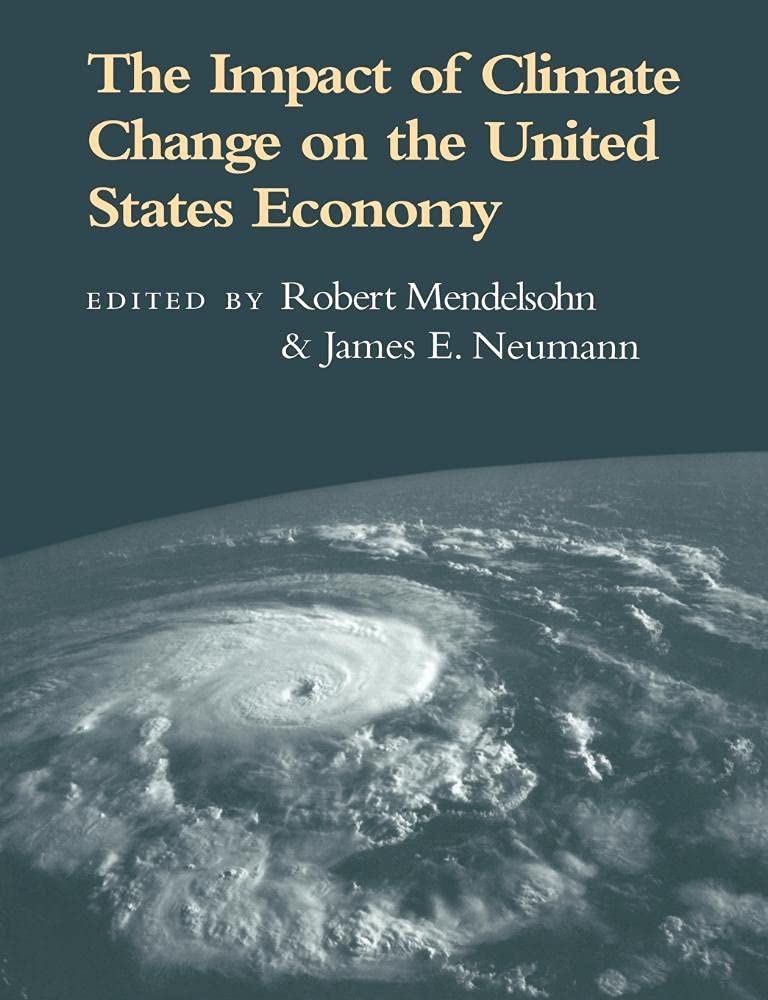
In this review of The Impact of Climate Change on the United States Economy, the reviewer finds a rigorous, policy-focused analysis best suited to researchers, policymakers, and advanced students interested in economic consequences of climate change. The single biggest reason to read it is its application of advanced economic methodologies to real US sectors, offering concrete insight into how agriculture, forestry, coastal resources, energy expenditure, fishing, and outdoor recreation may respond to shifting climates. This review highlights the book's balanced conclusions and usefulness as a reference in discussions informed by IPCC findings.
Key Features
- Sectoral analysis: Presents targeted assessments for agriculture, timber, coastal resources, energy, fishing, and outdoor recreation so readers can understand varied economic effects across industries.
- Advanced economic methods: Uses contemporary economic modelling techniques to provide a more nuanced view of behavioural responses and market impacts under climate change scenarios.
- Policy relevance: Frames results in the context of policy decision-making so practitioners can weigh timing and priorities for mitigation and adaptation.
- IPCC linkage: Synthesizes issues raised by recent IPCC reports to connect scientific projections with economic implications readers rely on.
- Balanced conclusions: Identifies potential gains in agriculture and forestry alongside harms to energy, coastal structures, and water sectors, supporting informed debate rather than alarmism.
Who It's For
The book is aimed at economists, policy advisors, graduate students, and researchers who need a rigorous, sector-by-sector economic assessment of climate impacts within the United States. It serves well as a reference for those drafting or evaluating public policy, or for academics conducting follow-on studies grounded in economic methodology.
Readers seeking a popular-audience narrative, a primer on climate science, or a quick overview with broad generalities should look elsewhere; this work assumes familiarity with economic concepts and focuses on applied analysis rather than introductory exposition.
Pros & Cons
Pros
- Thorough sectoral coverage gives practical insights for agriculture, forestry, coastal infrastructure, energy, fishing, and recreation planning.
- Methodological rigor enhances credibility for policy and academic use, making the findings defensible in technical discussions.
- Balanced treatment highlights both potential economic gains and harms, aiding nuanced policy choices.
Cons
- The material is technical and best suited to readers with some background in economics, which limits accessibility for general audiences.
Specifications
| Title | The Impact of Climate Change on the United States Economy |
| Authors | Robert Mendelsohn, James E. Neumann |
| Focus | Economic impacts of climate change on US sectors |
| Sectors analyzed | Agriculture, timber, coastal resources, energy, fishing, outdoor recreation |
| Purpose | Inform policy and scientific communities with applied economic analysis |
| Approach | Advanced economic methodologies linked to IPCC issues |
Our Verdict
The Impact of Climate Change on the United States Economy is a valuable, well-referenced resource for economists and policymakers who need sector-specific economic analysis tied to IPCC findings. Its methodological rigor and balanced conclusions make it good value as a reference text for informed policy discussion, though casual readers may find the technical depth challenging.
Frequently Asked Questions
Does this book cover regional impacts within the United States?
Answer. The book assesses sectoral impacts across the US and discusses vulnerable resources, though its emphasis is on economic sectors rather than detailed state-by-state case studies.
Is the book suitable for policy makers without an economics background?
Answer. It is policy-relevant but assumes some economic literacy; non-specialists may need supplementary summaries to fully digest the methodological detail.
How does the book relate to IPCC reports?
Answer. The authors use issues raised by recent IPCC findings as a foundation, translating scientific projections into economic assessments for key US sectors.
Editor's Take
The book is a rigorous, sector-focused economic assessment valuable to policymakers and researchers; its advanced methods and balanced conclusions make it a solid reference despite being technical for general readers.

Recently viewed
Recently viewed products will appear here as customers browse the store.