

The Indian Army and the End of the Raj - In-depth Historical
The Indian Army and the End of the Raj - In-depth Historical
Price subject to change. Tap below for current.
Couldn't load pickup availability
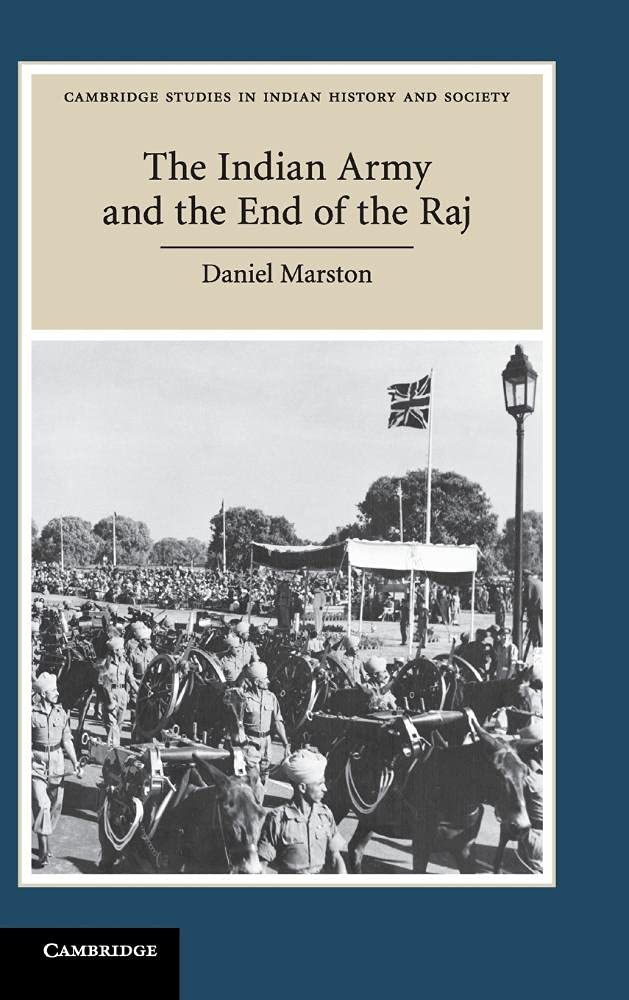
In this review of The Indian Army and the End of the Raj, the reviewer finds a focused, archival study ideal for readers who want rigorous analysis of 1947 rather than a broad narrative. Daniel Marston offers a concentrated examination of the army's role during Partition, combining primary documents and veteran interviews to explain how military units helped preserve law and order amid communal violence. This book is recommended for historians and serious students of South Asian history seeking a documentary-driven account with clear argumentation about the army's actions and limits in the months around 15 August 1947.
Key Features
- Archival research: The author draws on extensive primary source documents to reconstruct decisions and deployments of the Indian Army in 1947, providing detailed evidence for key claims.
- Veteran interviews: Firsthand testimonies from soldiers and officers add human perspective and help contextualize the army's actions during Partition-related unrest.
- Focused scope: The book concentrates specifically on the immediate post-World War II period and the Partition months, offering depth on military roles rather than a general political history.
- Historiographical contribution: By filling a gap in scholarship, the work reassesses assumptions about the army's capacity to maintain order and its interactions with civil authorities.
- Readable analysis: Marston frames complex events in a clear, evidence-driven narrative that benefits readers who prefer analytical history to memoir or broad surveys.
Who It's For
The Indian Army and the End of the Raj is best for academics, graduate students and informed readers focused on modern South Asian history, military studies, or the administrative challenges of Partition. Its emphasis on documents and interviews makes it a useful reference for seminar discussion or research bibliographies.
Readers seeking a popular, panoramic account of Partition or a heavily illustrated coffee-table history should look elsewhere; this is not a photo-heavy or generalist narrative but a scholarly study centered on the army's institutional role.
Pros & Cons
Pros
- Careful use of primary sources gives the narrative credibility and usefulness for research.
- Interviews with veterans provide on-the-ground perspectives that enrich the documentary record.
- The focused scope allows detailed treatment of the military's actions and constraints during 1947.
Cons
- Its narrow, academic approach may be less accessible to casual readers who want a broader overview of Partition.
Specifications
| Title | The Indian Army and the End of the Raj |
| Series | Cambridge Studies in Indian History and Society, Series Number 23 |
| Author | Daniel Marston |
| Subject focus | Role of the Indian Army during 1947 Partition |
| Sources | Primary documents and veteran interviews |
| Historical period | Post-World War II and 1947 Independence/Partition |
Our Verdict
For readers who need a documentary and interview-based study of the Indian Army during Partition, this book is a strong, well-documented choice that fills an important historiographical gap. Its focused analytical approach makes it good value for researchers and serious students, though casual readers looking for a broad narrative of Partition may prefer a different title.
Frequently Asked Questions
Does the book rely on primary sources?
Yes. Marston uses extensive primary documents alongside interviews with veterans to support his conclusions.
Is this a general history of Partition?
No. The work is specialized on the Indian Army's role in 1947 rather than a panoramic account of Partition.
Who will benefit most from this book?
Academic researchers, graduate students and readers interested in military and administrative history of South Asia will benefit most.
Editor's Take
A well-documented, interview-enriched study that clarifies the Indian Army's role during 1947 Partition; recommended for researchers and serious students seeking a focused, evidence-based account.

Recently viewed
Recently viewed products will appear here as customers browse the store.