Regular price
$240.00 USD
Price subject to change. Tap below for current.
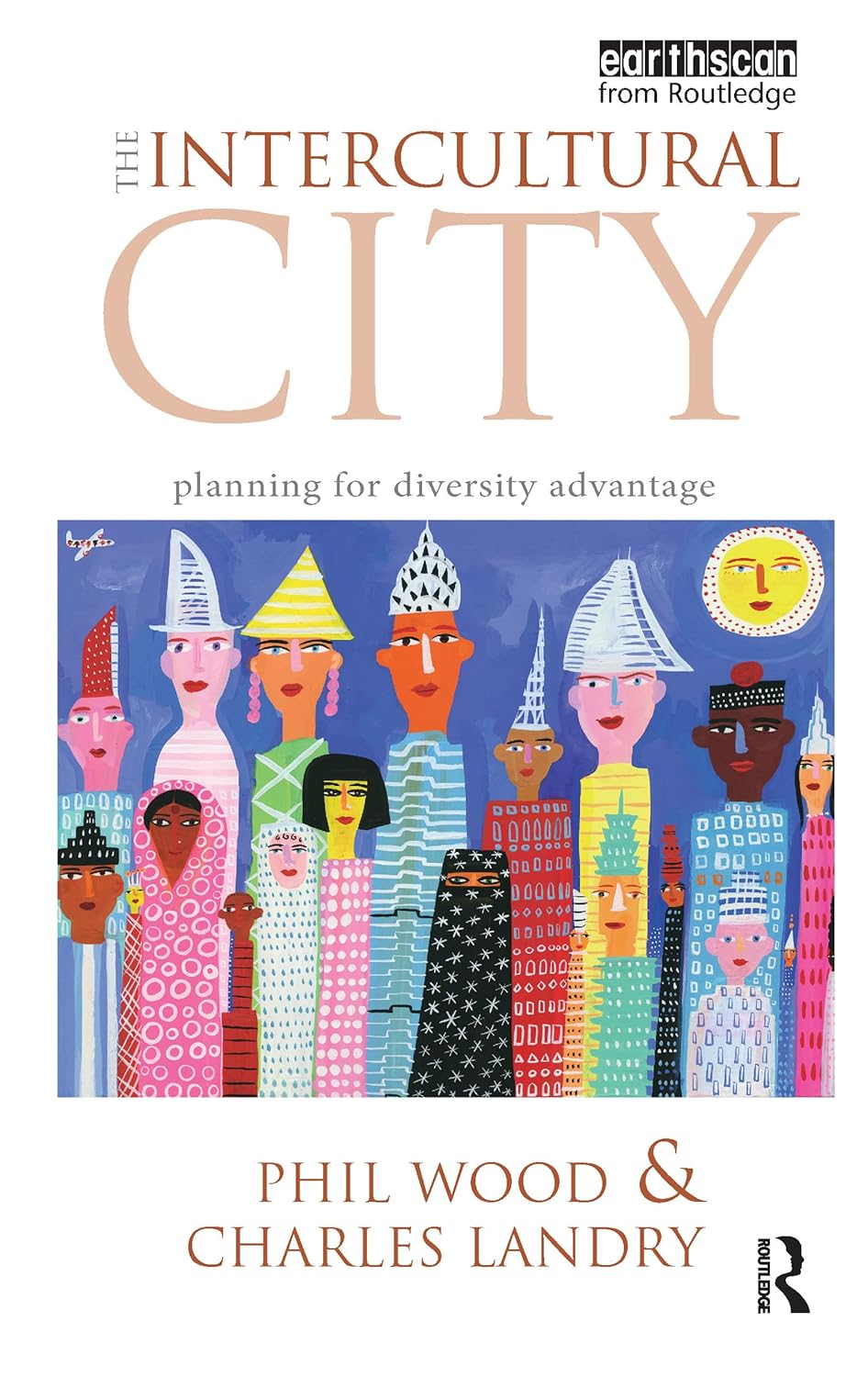
The Intercultural City by Charles Landry and Phil Wood is a groundbreaking exploration of how urban environments can thrive through diversity. This insightful book delves into the dynamics of multiculturalism and its impact on city life, making it a must-read for urban planners, policymakers, and anyone interested in the future of cities.
In today's globalized world, cities are becoming increasingly diverse. The Intercultural City offers a comprehensive framework for understanding how this diversity can be harnessed to foster innovation and creativity. Landry and Wood argue that embracing cultural differences is not just beneficial but essential for urban growth and sustainability.
One of the key themes of the book is the importance of community engagement. The authors emphasize that for a city to truly become intercultural, it must actively involve its residents in the decision-making process. This participatory approach ensures that all voices are heard, leading to more inclusive and vibrant urban spaces.
The Intercultural City also highlights successful case studies from around the world, showcasing cities that have effectively integrated diverse cultures into their social fabric. These examples serve as inspiration for other urban areas looking to enhance their intercultural dynamics.
Moreover, the book discusses the role of arts and culture in fostering intercultural dialogue. By promoting cultural events and initiatives, cities can create platforms for interaction and understanding among different communities. This not only enriches the urban experience but also strengthens social cohesion.
Landry and Wood provide practical strategies for city leaders and stakeholders to implement intercultural policies. The Intercultural City outlines actionable steps that can be taken to create environments where diversity is celebrated and leveraged for economic and social benefits.
In conclusion, the Intercultural City is an essential resource for anyone interested in the future of urban living. It challenges conventional notions of city planning and encourages a shift towards more inclusive practices. By embracing diversity, cities can unlock their full potential and become thriving hubs of innovation and creativity.