

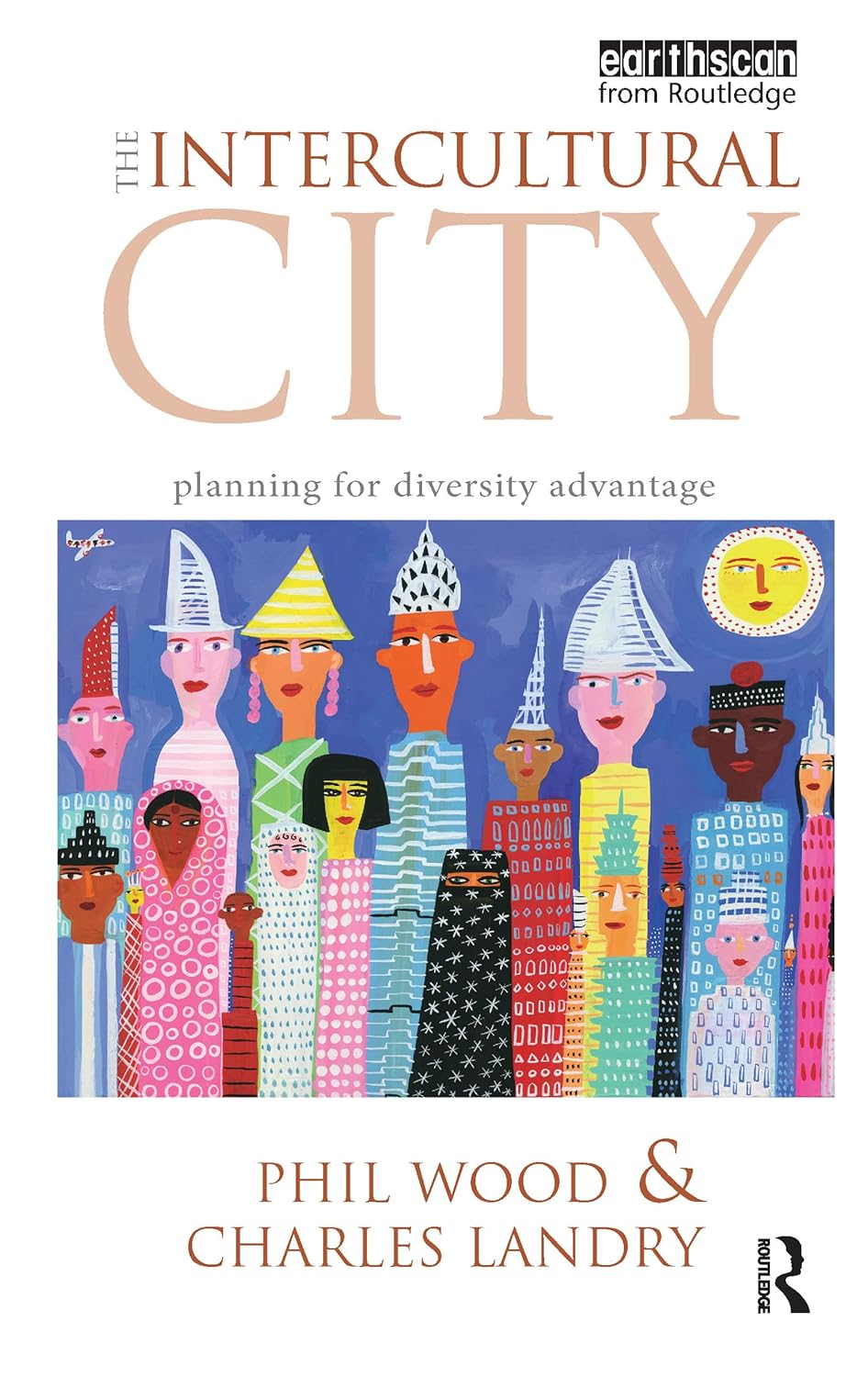
The Intercultural City - Practical Guide to Diversity in Urban
The Intercultural City - Practical Guide to Diversity in Urban
Price subject to change. Tap below for current.
Couldn't load pickup availability
In this review of The Intercultural City, the reviewer recommends the book primarily to planners, policymakers and urban researchers who need clear frameworks for managing cultural diversity. The single biggest reason to read it is its practical linkage of case studies to policy ideas, showing how cities can move from mitigation of problems to harvesting a diversity dividend. The tone is analytical rather than prescriptive, and the book is strongest when it maps global examples onto actionable concepts for city governance.
Key Features
- Global case studies: Draws on research from the US, Europe, Australasia and the UK to illustrate how different cities respond to cultural change.
- Policy critique: Examines past and current policy approaches and explains why mitigation-only strategies miss potential benefits.
- Conceptual frameworks: Introduces frameworks that help officials and planners rethink integration, participation and urban governance.
- Practical orientation: Connects theory to practice so readers can translate insights into planning and public policy initiatives.
- Interdisciplinary view: Brings together ideas relevant to urban planning, public affairs and regional policy debates.
Who It's For
The Intercultural City is aimed at city planners, local government officers, urban studies students and policy advisers who need evidence-based approaches to cultural diversity. Professionals seeking frameworks to design inclusive strategies and innovate in civic services will find the case-focused analysis particularly useful.
Readers looking for a how-to handbook with checklists or step-by-step operational manuals should look elsewhere; this book is stronger on diagnosis, conceptual tools and comparative examples than on procedural templates or implementation blueprints.
Pros & Cons
Pros
- Substantial international case material that helps readers compare different city responses.
- A clear critique of common policy assumptions, encouraging a shift toward seeing diversity as an asset.
- Introduces useful conceptual models that can inform planning discussions and strategy workshops.
Cons
- Not a step-by-step manual, so readers expecting implementation checklists may find it abstract.
Specifications
| Title | The Intercultural City |
| Authors | Charles Landry, Phil Wood |
| Subject area | Urban planning, public policy, cultural diversity |
| Geographic coverage | US, Europe, Australasia, UK |
| Focus | Case studies and policy frameworks |
| Intended audience | Planners, policymakers, urban researchers |
Our Verdict
The Intercultural City is a valuable read for professionals who need an evidence-based rethink of how cities handle cultural diversity. Its strength lies in comparative case studies and clear conceptual tools that make it good value for planners and policy advisers seeking to shift from mitigation to opportunity-focused strategies.
Frequently Asked Questions
Does this book include practical examples from multiple countries?
Yes. It draws on original research and case studies from the US, Europe, Australasia and the UK to illustrate different approaches.
Is the book suitable for non-specialists?
It is accessible to informed readers but is best suited to those with an interest in planning or public policy rather than casual readers.
Will it tell me exactly how to implement policies?
No. The emphasis is on frameworks and critique rather than step-by-step implementation guides.
Editor's Take
The Intercultural City is a case-driven, concept-rich book ideal for planners and policymakers who want to rethink diversity as an asset rather than a problem; it excels at comparative analysis though it is not an implementation manual.

Recently viewed
Recently viewed products will appear here as customers browse the store.