

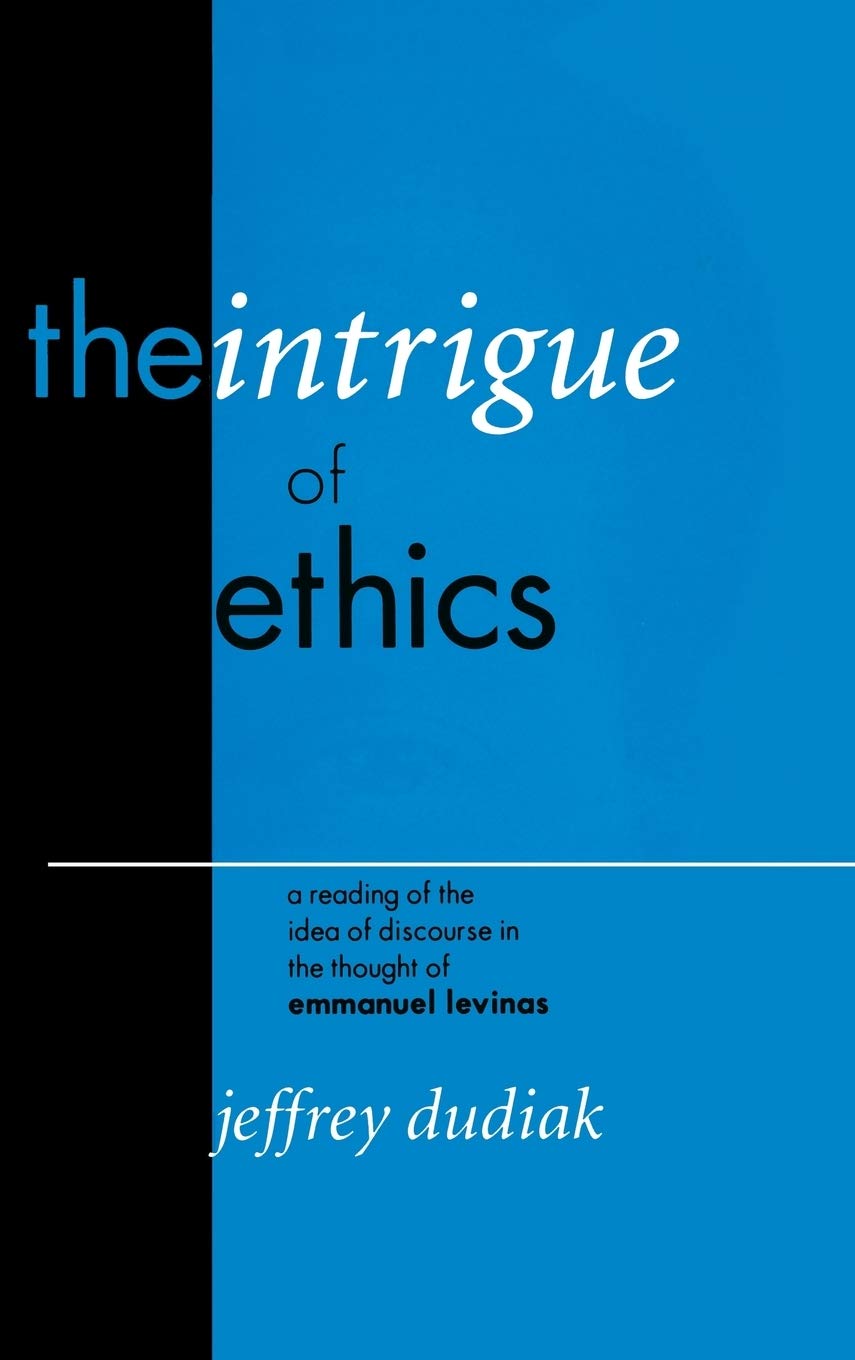
The Intrigue of Ethics: A Reading of the Idea of Discourse in
The Intrigue of Ethics: A Reading of the Idea of Discourse in
Price subject to change. Tap below for current.
Couldn't load pickup availability
In this review of The Intrigue of Ethics, Jeffrey Dudiak offers a focused study for readers seeking a careful account of how dialogue becomes possible in Levinasian thought. The bottom line: this is a scholarly, tightly argued book best suited for graduate students, philosophers, and serious readers of continental ethics who want a clear explanation of how Levinas moves from Totality and Infinity to Otherwise than Being and how those texts shape the conditions for interpersonal discourse. Dudiak's review-style exposition emphasizes conceptual clarity over broad historical sweep, making it a useful companion for close reading.
Key Features
- Focused interpretation: Dudiak traces the development of Levinas's account of dialogue from Totality and Infinity to Otherwise than Being, helping readers see continuity and deepening in the argument.
- Philosophical clarity: The book isolates the conditions of possibility for discourse, offering readers a precise framework for thinking about how a shared logos can arise from interhuman relations.
- Textual engagement: Close reading of Levinas's major works supports the book's claims and equips readers to return to the primary texts with new questions.
- Theoretical value: By situating dialogue as a function of relationship, the study helps clarify ethical implications for living more peacefully with others.
- Concise scope: The work stays narrowly focused on the problem of dia-logos, making it a compact resource rather than an encyclopedic history of Levinas reception.
Who It's For
This book will serve graduate students in continental philosophy, scholars of ethics, and advanced readers interested in Levinas who want a concentrated analysis of how discourse is possible when the shared logos itself is contested. It is especially useful as a companion for seminars on Totality and Infinity or Otherwise than Being since it highlights argumentative moves across those texts.
Readers seeking a general introduction to continental thought, a broad historical survey, or a popular-level explanation of Levinas should look elsewhere; Dudiak's work assumes familiarity with philosophical terminology and primary Levinas texts and prefers depth over breadth.
Pros & Cons
Pros
- Clear, close reading of Levinas helps clarify difficult passages and conceptual moves.
- Focused thesis about the conditions of discourse provides a useful interpretive lens for scholars.
- Engages both Totality and Infinity and Otherwise than Being to show continuity and development in Levinas's thought.
Cons
- The narrowly academic focus may be less accessible to general readers or those new to Levinas.
Specifications
| Title | The Intrigue of Ethics: A Reading of the Idea of Discourse in the Thought of Emmanuel Levinas |
| Author / Brand | Jeffrey Dudiak |
| Subject | Philosophy; Ethics; Continental Philosophy; Levinas |
| Focus | Conditions of possibility for dialogue and discourse |
| Primary texts discussed | Totality and Infinity; Otherwise than Being (1974) |
| Audience | Graduate students and scholars of continental ethics |
Our Verdict
For readers committed to understanding Levinas's account of dialogue, Dudiak's study is a compact and valuable resource that illuminates how the shared logos is tied to interhuman relation. It is good value for advanced students and scholars who want a clear interpretive guide rather than a broad introduction, since it sharpens central concepts and supports further study of Levinas's major works.
Frequently Asked Questions
Does this book explain Levinas for beginners?
The study presumes some familiarity with Levinas and is aimed at readers with prior exposure to his major texts rather than complete beginners.
Which Levinas works are central to the analysis?
Dudiak primarily draws on Totality and Infinity and Otherwise than Being to trace the conditions for discourse.
Is the book more historical or argumentative?
The work is argumentative and interpretive, offering a focused reading of Levinas's development rather than a broad historical survey.
Editor's Take
Dudiak's study is a compact, scholarly interpretation that clarifies how Levinas links the possibility of dialogue to interhuman relations; recommended for graduate students and scholars seeking a focused guide.

Recently viewed
Recently viewed products will appear here as customers browse the store.