

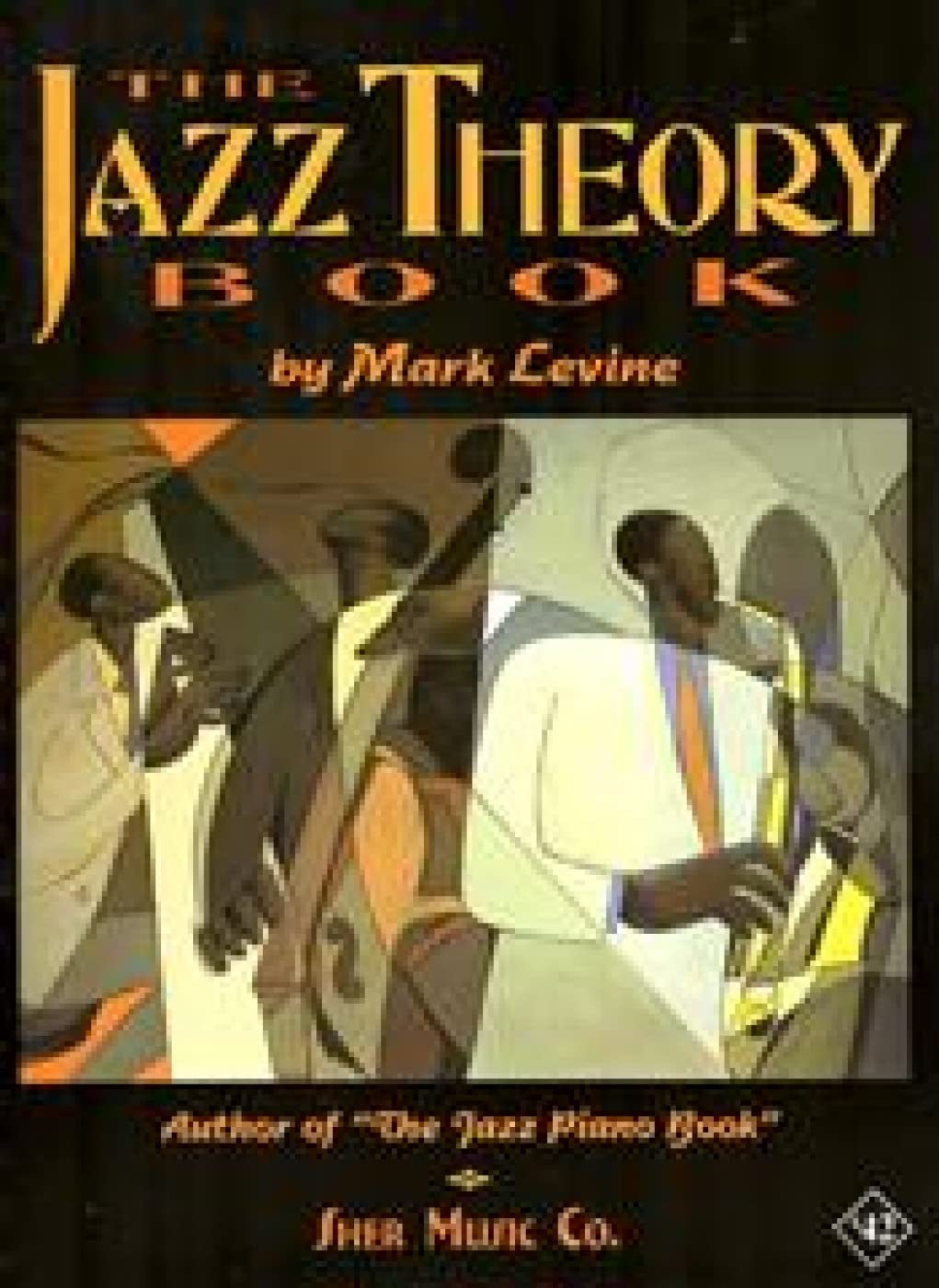
The Jazz Theory Book - Comprehensive Jazz Theory Resource
The Jazz Theory Book - Comprehensive Jazz Theory Resource
Price subject to change. Tap below for current.
Couldn't load pickup availability
In this review of The Jazz Theory Book the bottom line is straightforward: this is a comprehensive, readable reference for intermediate to advanced jazz musicians and serious students. Written by an acknowledged master, the book presents jazz harmony, scales, and form in a clear, organized way that instructors and self-taught players will find immediately useful. The single biggest reason to buy is its combination of depth and clarity: it covers the scope of modern jazz theory while remaining readable, making it a dependable textbook and practice guide.
Key Features
- Comprehensive scope: Covers harmony, scales, chord construction, and jazz forms so readers can study nearly every common theory topic in one volume.
- Authoritative voice: Written by a respected jazz educator, the book delivers explanations rooted in real jazz practice and pedagogy.
- Clear explanations: Concepts are broken down into digestible parts with examples, which helps musicians move from abstract theory to applied playing.
- University-level utility: Used by music programs worldwide, it serves well as a course textbook and reference for serious students.
- Readable format: The layout and larger format noted by readers makes long study sessions and reference checks easier on the eyes.
Who It's For
The Jazz Theory Book is aimed squarely at intermediate to advanced players, college students, and private-study musicians who want a deep, practical grounding in jazz harmony and improvisation concepts. Teachers and program directors will appreciate its thoroughness and classroom-friendly organization.
Beginners looking for an entry-level primer or someone seeking a slim, quick-start overview should look elsewhere first; this book assumes some prior musical knowledge and is designed to be a substantial reference rather than a brief how-to guide.
Pros & Cons
Pros
- Extensive coverage of jazz theory topics provides a single reference for many study areas.
- Clear, readable writing helps bridge the gap between theory and performance practice.
- Trusted by educators and endorsed by prominent jazz figures, which supports its authority.
Cons
- Not ideal for absolute beginners because it assumes foundational musical knowledge.
Specifications
| Title | The Jazz Theory Book |
| Author | Mark Levine |
| Intended audience | Intermediate to advanced players and students |
| Use case | Course textbook, private study, reference for musicians |
| Endorsements | Jamey Aebersold, James Moody, Dave Liebman |
| Availability | Used by universities worldwide |
Our Verdict
The Jazz Theory Book is a worthwhile purchase for serious jazz students and working musicians who need a thorough, teacher-friendly theory reference. Its clear explanations and broad scope make it good value for anyone planning sustained study or classroom use, though absolute beginners may prefer a gentler introduction first.
Frequently Asked Questions
Is this book suitable for classroom use?
Yes. It is used by universities and works well as a course textbook because of its comprehensive organization and pedagogical approach.
Do I need prior music theory to use it?
The book is best for those with basic music literacy; absolute beginners may find it dense without prior knowledge of scales and chords.
Does it include practical examples from jazz?
Yes. The text uses examples and material from jazz practice to illustrate theory and its application to improvisation and arranging.
Editor's Take
The Jazz Theory Book is a comprehensive, readable reference ideal for intermediate to advanced jazz students and educators; its depth and clarity make it strong value for sustained study or classroom use.

Recently viewed
Recently viewed products will appear here as customers browse the store.