The Language of Physics: Calculus and Theoretical Physics Insights
The Language of Physics: Calculus and Theoretical Physics Insights
Price subject to change. Tap below for current.
Couldn't load pickup availability
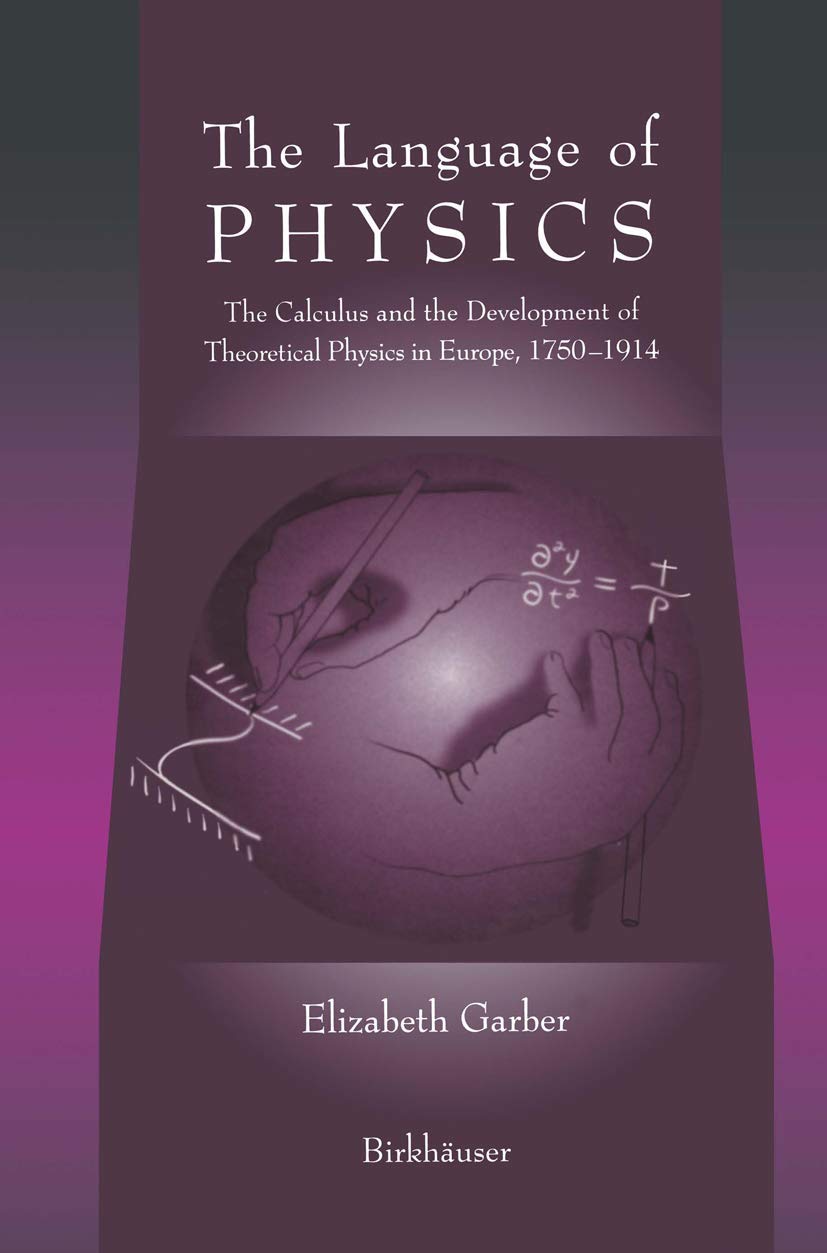
The Language of Physics: The Calculus and the Development of Theoretical Physics in Europe, 1750-1914 is an essential read for anyone interested in the evolution of physics. This book delves into the intricate relationship between calculus and the development of theoretical physics, providing a comprehensive overview of how these two fields intersected during a pivotal period in history.
Elizabeth Garber expertly navigates through the complexities of theoretical physics, offering insights that are both profound and accessible. The text is rich with historical context, making it not just a technical manual but also a narrative that captures the spirit of scientific inquiry during the Enlightenment and beyond.
One of the standout features of this book is its focus on the key figures who shaped the landscape of physics. Garber highlights the contributions of notable scientists, showcasing how their work in calculus laid the groundwork for modern physics. Readers will appreciate the detailed accounts of these pioneers, which serve to humanize the scientific process.
The Language of Physics also emphasizes the importance of mathematical principles in understanding physical phenomena. Garber's clear explanations make complex concepts more digestible, allowing readers to grasp the fundamental ideas that underpin the field. This is particularly beneficial for students and enthusiasts who may be intimidated by the mathematical rigor often associated with physics.
Throughout the book, Garber employs a narrative style that is engaging and informative. The use of historical anecdotes and illustrative examples helps to contextualize the mathematical theories discussed, making them relevant to contemporary discussions in physics. This approach not only enriches the reader's understanding but also fosters a deeper appreciation for the subject.
In addition to its historical and mathematical insights, The Language of Physics serves as a reminder of the collaborative nature of scientific discovery. Garber discusses how the exchange of ideas among scientists across Europe contributed to the rapid advancements in theoretical physics. This aspect of the narrative underscores the importance of community and collaboration in the scientific process.
Overall, The Language of Physics: The Calculus and the Development of Theoretical Physics in Europe, 1750-1914 is a remarkable contribution to the literature on physics and mathematics. It is a must-read for anyone looking to deepen their understanding of the interplay between calculus and physics, as well as for those who appreciate the historical context of scientific advancements. Whether you are a student, educator, or simply a curious reader, this book will undoubtedly enhance your knowledge and inspire further exploration into the fascinating world of physics.
Share