

The Making of Mamaliga - Historical Study of Maize and Culture
The Making of Mamaliga - Historical Study of Maize and Culture
Price subject to change. Tap below for current.
Couldn't load pickup availability
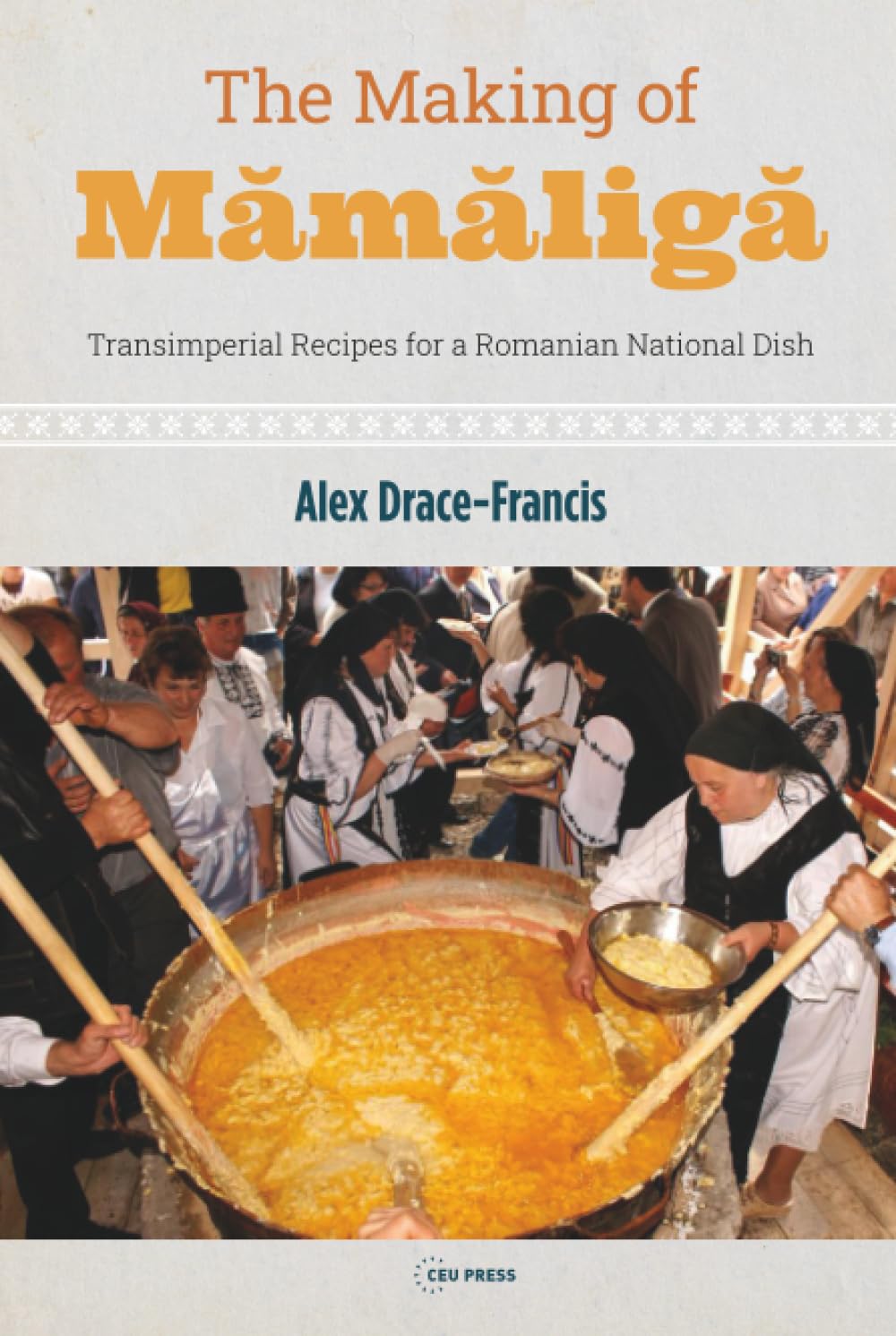
In this review of The Making of Mamaliga, the bottom line is simple: historians, food scholars, and curious cooks will find a careful, well-researched account of how maize and mamaliga shaped Romanian life. Alex Drace-Francis traces the crop's arrival and spread from Ottoman times to World War I and connects agricultural change to culture and representation, making this book valuable for readers seeking a scholarly, readable exploration rather than a recipe collection or light travelogue.
Key Features
- Historical range: Surveys maize cultivation and mamaliga from Ottoman-era introductions through the eve of the First World War, giving readers a long-term view of change.
- Interdisciplinary approach: Links agricultural history with art and popular culture to show how mamaliga became a national symbol beyond simple food history.
- Primary-source research: Draws on a rich array of sources and new findings, offering evidence-based narrative rather than anecdote.
- Regional focus: Concentrates on Romanian lands and the overlapping imperial systems that shaped production and trade, making the study useful for regional specialists.
- Accessible writing: Presents complex economic and social forces in a way that remains readable for educated non-specialists interested in food and history.
Who It's For
The Making of Mamaliga is best for academic readers, graduate students, and informed enthusiasts of food history who want a researched account linking production, consumption, and representation. Those studying Eastern Europe, imperial trade, or the cultural symbolism of staple foods will find the book particularly rewarding.
Readers seeking a cookbook, practical porridge techniques, or a light popular history should look elsewhere; the focus is analytic and archival rather than culinary instruction or broad popular narrative.
Pros & Cons
Pros
- Thorough historical sweep that clarifies how maize cultivation spread across Romanian lands.
- Strong connections between agricultural change and cultural representation, enriching the topic beyond agronomy.
- Uses a range of primary sources and new findings to support its arguments, which benefits scholarly readers.
Cons
- Not a practical cookbook or recipe guide, which limits appeal for those wanting cooking instruction.
Specifications
| Title | The Making of Mamaliga |
| Author | Alex Drace-Francis |
| Subject focus | History of maize cultivation and mamaliga in Romanian lands |
| Time period covered | Ottoman times to the eve of the First World War |
| Approach | Production, consumption, and representation in art and popular culture |
| Intended audience | Historians, food scholars, and regional studies readers |
Our Verdict
The Making of Mamaliga is a focused, well-documented study that rewards readers who want to understand how a staple food became a national symbol through trade, empire, and culture. It is good value for scholars and informed readers seeking depth and primary-source insights, though culinary readers should not expect recipes or how-to material.
Frequently Asked Questions
Does the book include recipes?
No. The book concentrates on historical and cultural analysis rather than providing cooking instructions or recipes.
What period does the study cover?
It traces the arrival and spread of maize from Ottoman times up to the eve of the First World War.
Is the writing accessible to non-specialists?
Yes. While scholarly in research, the author writes in an accessible manner suitable for educated non-specialists interested in food history.
Editor's Take
A focused, well-documented study that explains how maize and mamaliga shaped Romanian culture; essential for historians and food scholars though not a cookbook.

Recently viewed
Recently viewed products will appear here as customers browse the store.