

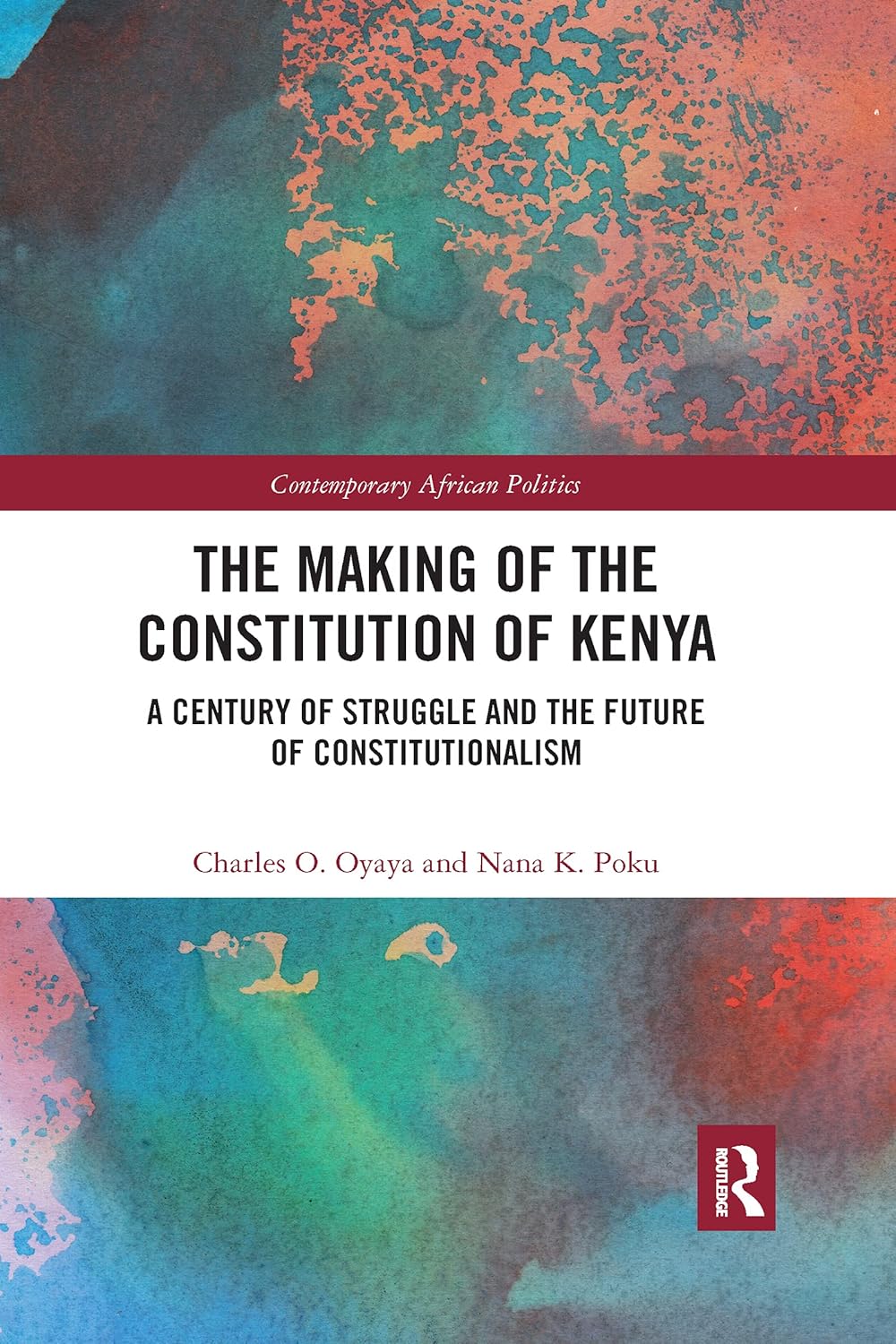
The Making of the Constitution of Kenya - Detailed
The Making of the Constitution of Kenya - Detailed
Price subject to change. Tap below for current.
Couldn't load pickup availability
In this review of The Making of the Constitution of Kenya readers will find a clear, historically grounded account of constitutional change in Kenya and why it matters today. The book is best for students, researchers and policy practitioners seeking a concise examination of the three constitutional crises that shaped modern Kenya, and the processes and challenges of constitution making. Its single biggest strength is the way it links historical episodes to contemporary issues of governance, legitimacy and social conflict, offering a focused perspective rather than a broad general survey.
Key Features
- Historical framing: Provides a sound historical perspective that explains how colonialism and independence influenced Kenya's constitutional trajectory.
- Three-crisis structure: Examines the three distinct constitutional crises - colonial trauma, authoritarian reform struggles, and contemporary crises of legitimacy - to clarify long-term patterns.
- Focus on governance: Explores how constitutional design and political choices affect the state's ability to deliver services and maintain legitimacy.
- Contemporary relevance: Connects constitutional questions to present problems such as ethnic conflict, social exclusion and poverty for practical lessons.
- Lessons for Africa: Draws implications beyond Kenya, making the analysis useful to comparative studies of constitution making on the continent.
Who It's For
This book suits graduate students, academics in political science and African studies, lawyers interested in constitutional development, and policy makers looking for historically informed context when considering reform. The focused analysis helps those who need to understand the root causes of recurring crises in Kenyan governance and apply those lessons comparatively.
Readers seeking a basic textbook introduction to Kenyan law or a legal practitioner's handbook may want a more technical or practice-oriented volume instead; this book is strongest as a historical and political analysis rather than a procedural legal manual.
Pros & Cons
Pros
- Well-structured historical narrative that clarifies complex constitutional developments.
- Directly links constitutional design to governance outcomes and social tensions.
- Useful comparative insights for scholars of African politics and constitution making.
Cons
- Not a technical legal guide, so readers needing procedural detail on constitutional drafting may find it limited.
Specifications
| Title | The Making of the Constitution of Kenya |
| Series | Contemporary African Politics |
| Authors | Charles O. Oyaya, Nana Poku |
| Subject | Constitution making, governance, legitimacy in Kenya |
| Scope | Historical analysis of three constitutional crises and contemporary lessons |
| Audience | Students, scholars, policy makers |
Our Verdict
The Making of the Constitution of Kenya is a solid, well-focused study for anyone seeking historical perspective on Kenyan constitutional change and its links to governance and social conflict. It offers good value to scholars and policy audiences because it distills complex episodes into clear lessons without unnecessary technical detail, though practitioners seeking drafting guidance should pair it with a legal manual.
Frequently Asked Questions
Does this book cover the historical causes of Kenya's constitutional crises?
Yes, it traces the three major crises from colonialism through authoritarian reform pressures to contemporary legitimacy issues.
Is this a practical guide for drafting constitutions?
No, the book provides historical and political analysis rather than procedural drafting instructions.
Who are the authors?
The work is authored by Charles O. Oyaya and Nana Poku and positioned in the Contemporary African Politics series.
Editor's Take
A focused, historically grounded study that links Kenya's three constitutional crises to governance and social conflict; recommended for scholars and policy makers though not a drafting manual.

Recently viewed
Recently viewed products will appear here as customers browse the store.